
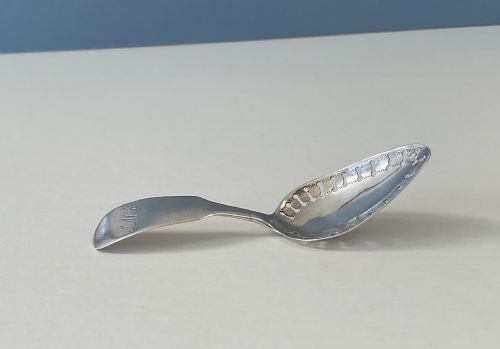
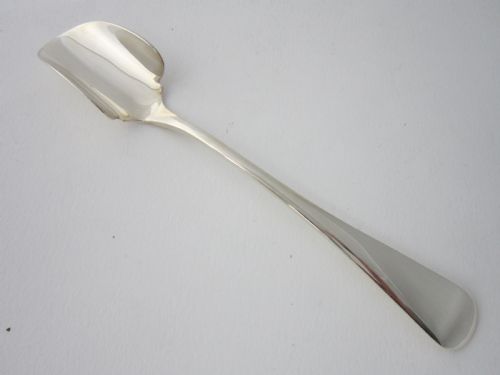


Georgian Sterling Silver Scoop
When you handle a georgian sterling silver scoop, you hold a piece of silver designed for marrow, cheese, or tea.
Georgian Sterling Silver Scoop
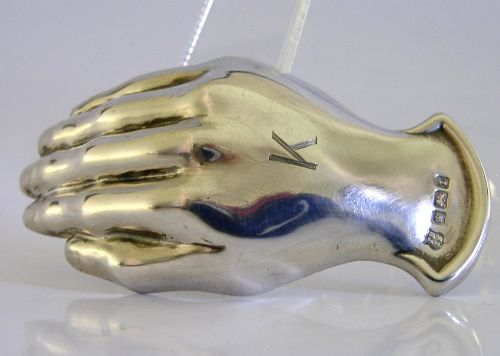
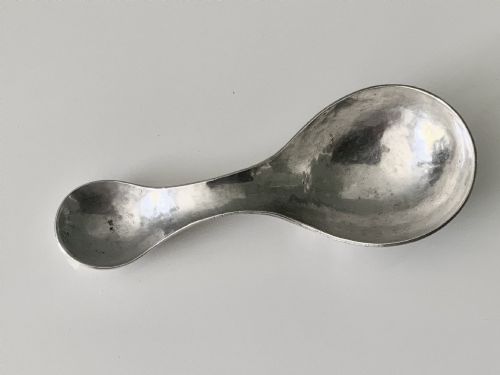
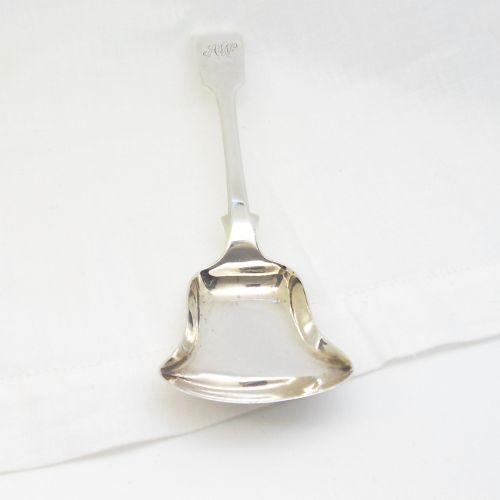
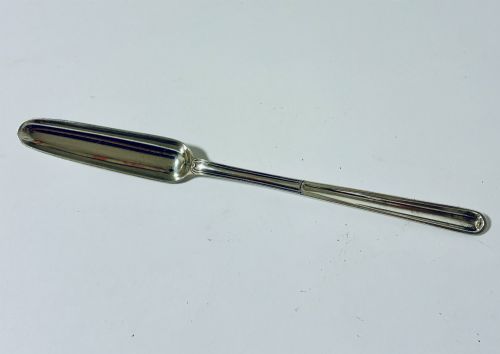
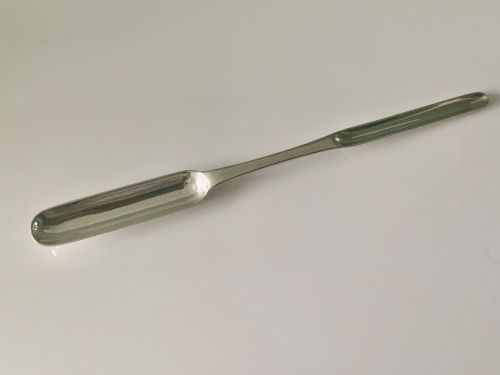
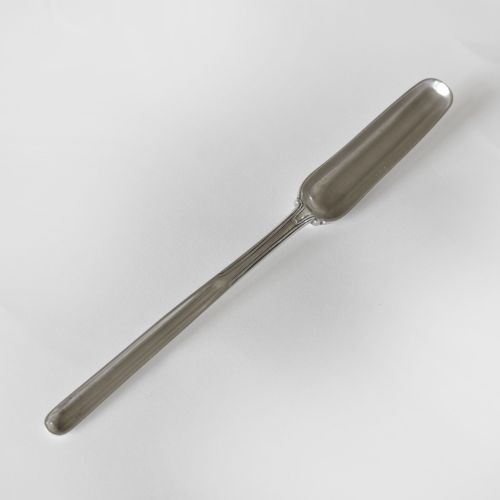
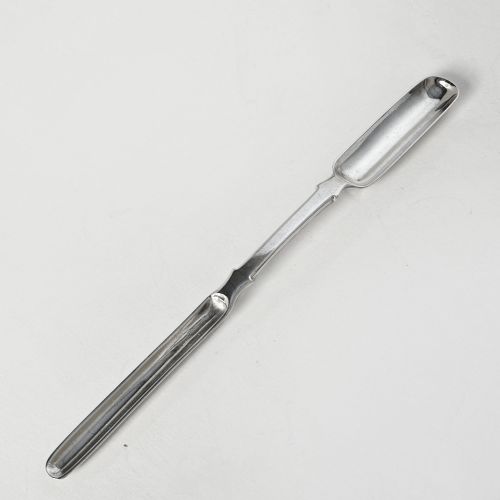
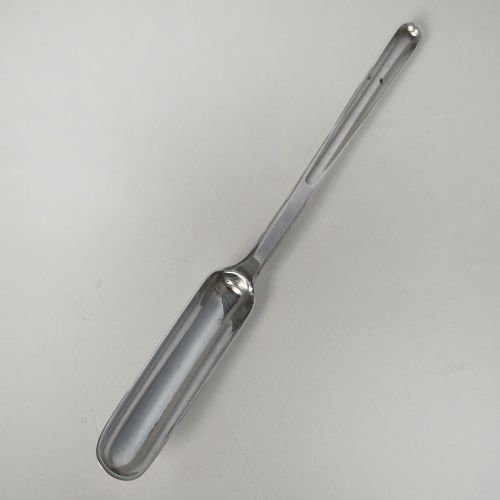
A georgian sterling silver scoop encompasses small serving implements designed for specific domestic tasks at the table, most commonly caddy spoons, marrow scoops, and cheese scoops. The caddy spoon handles tea leaves destined for the pot, while the marrow scoop reaches deep into bone channels for marrow, and the larger stilton scoop portions cheese.
Makers shaped these items for practical dining and tea rituals, utilising regional British assay offices from London to Dublin, Birmingham, and Newcastle. Collectors encounter diverse forms, ranging from plain functional troughs to heavily engraved bowls with crested handles.
How they were made
Silversmiths formed these scoops from sterling silver, hammering and shaping the metal into slender troughs or shallow bowls, then soldering handles or stems securely in place. Parcel-gilt or silver-gilt finishes occasionally appear, applying a thin layer of gold to the interior of the bowl.
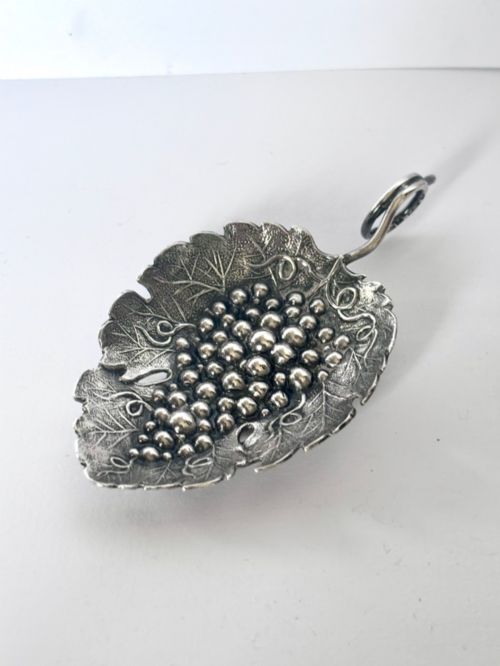
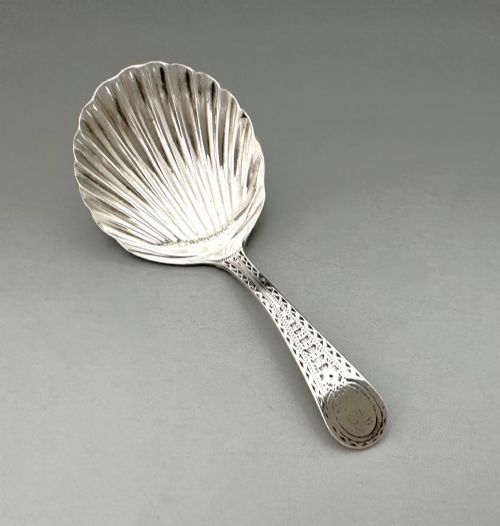
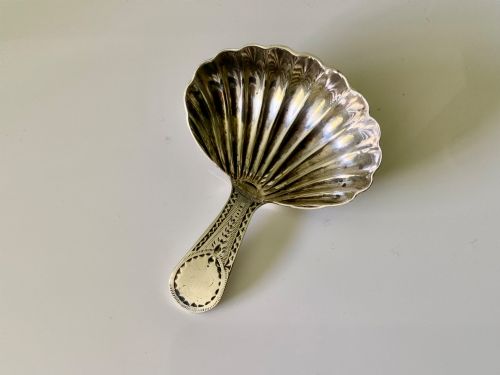
Decoration relied on hand engraving, chasing, and piercing, creating patterns such as leaves, shells, and armorial family crests directly onto the metal surface. Makers stamped each piece with hallmarks indicating the town, date, and standard of silver.
Georgian Sterling Silver Scoop Retail Price Guide 2026
Typical asking prices for georgian sterling silver scoop among the pieces listed under this phrase on Sellingantiques today, from the lower quarter to the upper quarter. They describe what is for sale here now, not the wider market.
Some Georgian tea caddy spoons take the exact shape of a racing jockey cap, complete with a peaked brim.
What varies in quality
The distinction between standard utility pieces and finer examples rests in the crispness of the chasing and the depth of the hand engraving on the bowl or handle. Elaborate designs like vine leaves, jockey caps, or double-ended construction require superior silversmithing skill compared to plain functional troughs.
Maker marks and regional assay office provenance influence desirability, with identifiable silversmiths commanding attention for careful weight and balanced proportions. Preservation of the original hallmarks and minimal thinning of the silver trough from historical polishing define the better-surviving items.
Joseph Willmore·John Walton·Edward Power·Jonathan Hayne·Thomas Johnson·George Smith·William Sumner·Richard Crossley
The Georgian Sterling Silver Scoop Glossary
- Caddy Spoon
- A small spoon designed specifically for measuring dry tea leaves from a caddy into the teapot. These spoons often feature shallow bowls shaped like leaves, shells, or caps.
- Marrow Scoop
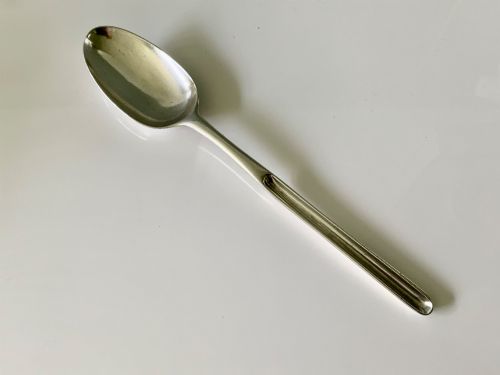
- A long, narrow implement with a small trough at one end and a larger trough at the other, used for extracting marrow from animal bones. Examples can be single or double-ended.
- Stilton Scoop
- A large scoop with a semi-cylindrical blade utilised for serving hard cheeses like Stilton. They frequently feature bone or stained bone handles alongside silver blades.
- Hallmark
- A series of official marks stamped on precious metals indicating the purity standard, the assay office, the maker, and the year of manufacture. These stamps allow precise dating of British silver.
- Parcel-Gilt
- Silver objects where specific areas, usually the interior of a bowl, receive a thin coating of gold. This technique highlights decorative elements against the white silver background.
Georgian Sterling Silver Scoop: Frequently Asked Questions
What is a georgian sterling silver scoop used for?
These implements served distinct dining and tea preparation roles, handling items like tea leaves, bone marrow, and hard cheese at the table.
Smaller pieces portioned tea from caddies, while the long, narrow troughs extracted marrow from bones or sliced through Stilton cheese.
How do I identify a Georgian period scoop?
Identification relies upon reading the hallmarks stamped into the silver, which provide specific assay office symbols and date letters for the manufacturing year.
Stylistic cues such as early handle forms, armorial crests, and specific maker marks help confirm the period alongside the official stamps.
Are caddy spoons different from marrow scoops?
Caddy spoons feature wide, shallow bowls intended for dry tea leaves and often display decorative shapes like shells or leaves.
Marrow scoops possess long, slender troughs designed to reach deep inside animal bones, lacking the wide bowl configuration of tea utensils.
How should I clean silver scoops?
Careful maintenance involves washing the silver in warm soapy water and drying it promptly with a soft cloth to protect the surface.
Harsh abrasive dips should be avoided to preserve crisp hand engravings, hallmarks, and any parcel-gilt finishes.