




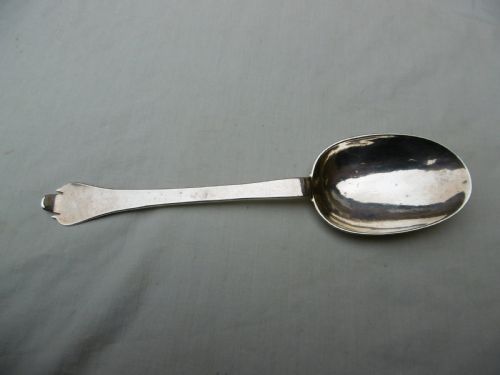


Early English Silver Spoon
An early english silver spoon is a tangible link to centuries past, sought after for its historic marks and tactile weight in the hand.
Early English Silver Spoon
Buyers will encounter various forms across the seventeenth and eighteenth centuries, including slip tops, apostle figures, and large hash spoons. The selection spans reigns from Elizabeth I through to George II, reflecting distinct shifts in dining habits and table etiquette.
Regional provincial pieces and London hallmarks appear alongside one another, offering insight into both urban guilds and local silversmithing traditions. Solid silver and Britannia standard metal form the core of these survivals.
Materials and Techniques
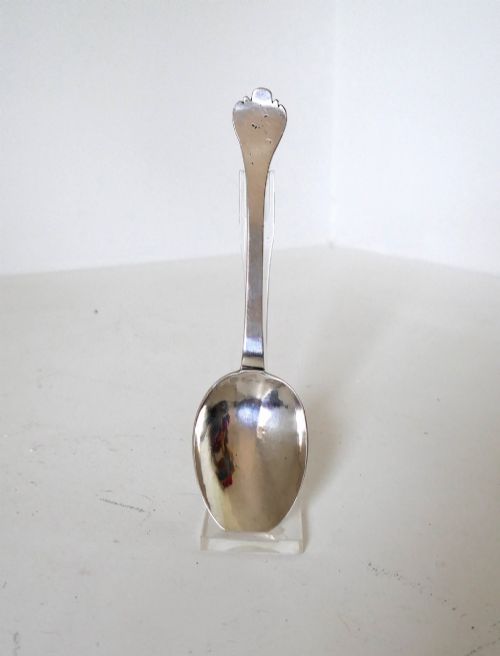
Makers shaped these spoons primarily from solid silver and Britannia silver, hammering ingots into flat blanks before cutting and raising the bowl. The stem was worked separately or forged integrally depending on the handle type, such as the flat, notched end of a trefid.
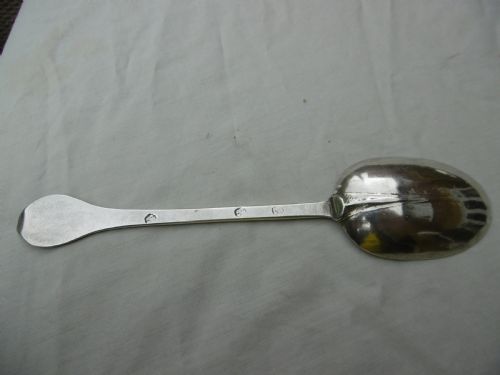
Engraving and punch-work completed the decoration, adding crests, initials, or intricate lace patterns onto the terminals. Silversmiths then applied punch marks to record the standard, the maker's mark, and the year of assay.
Early English Silver Spoon Retail Price Guide 2026
Typical asking prices for early english silver spoon among the pieces listed under this phrase on Sellingantiques today, from the lower quarter to the upper quarter. They describe what is for sale here now, not the wider market.
Several early spoons carry tiny owner initials pricked into the metal with a pin, recording long-gone weddings and christenings.
Assessing Quality and Survival
The survival of original surface detail and crisp punch marks largely determines the standing of an early english silver spoon. Spoons that retain their full bowl depth, without excessive wear from centuries of use or polishing, command greater regard.
The clarity of the maker's mark and assay office stamps provides crucial evidence of authenticity and provenance. Structural integrity of the join between stem and bowl also separates well-preserved examples from those compromised by past repairs.
Andrew Archer·Jerimiah Johnson·Daniel Cary·Stephen Coleman·Lawrence Coles·Peter Webb·J Ladyman·Benjamin Prosser
The Early English Silver Spoon Glossary
- Seal top
- A spoon featuring a cast terminal shaped like a round seal, popular in the sixteenth and seventeenth centuries. This form often carried engraved initials on the flat top surface.
- Trefid
- A late seventeenth-century spoon style with a flattened, notched terminal divided into three lobes. The upper surface of the handle frequently displays engraved lace-back decoration.
- Dognose
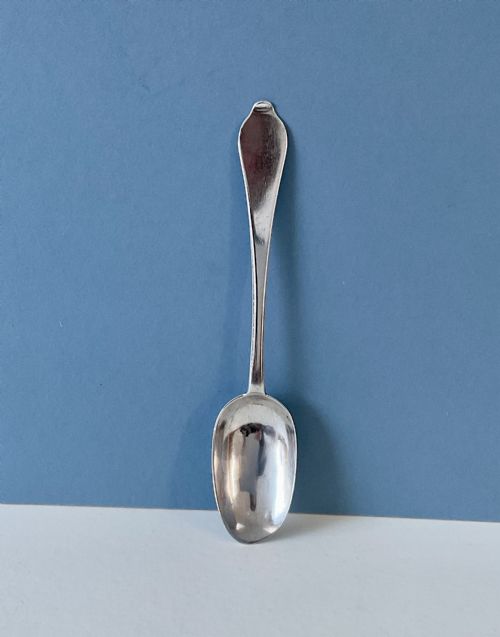
- An early eighteenth-century spoon form with a narrowed, upturned terminal that evolved into the modern table spoon. It is also known as the pied-de-biche or hind's foot pattern.
- Britannia silver
- A higher grade of silver standard introduced by statute in England, containing a proportion of pure silver per thousand. Spoons made from this metal date predominantly to the early eighteenth century.
- Hash spoon
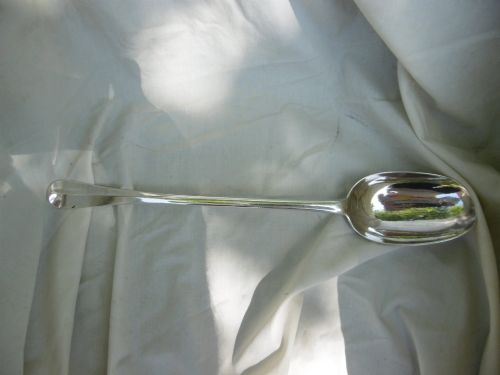
- An exceptionally large serving spoon designed for communal dishes during the seventeenth and eighteenth centuries. These pieces measure considerably longer than standard tablespoons.
Early English Silver Spoon: Frequently Asked Questions
What is the difference between trefid and dognose spoons?
A trefid spoon has a flat handle terminal notched into three lobes, typical of the late seventeenth century under Charles II and James II. They frequently showcase ribbed rattail reinforcements on the back of the bowl.
Dognose spoons emerged around 1700 with a simpler, upturned terminal resembling a dog's nose, gradually replacing the earlier trefid shape as dining fashions shifted.
Why are some spoons marked with Britannia silver?
The British government introduced the stricter Britannia standard to prevent silversmiths from melting down coinage for plate. Spoons bearing these specific marks date from the early eighteenth century.
This higher purity standard lasted for several decades before the traditional sterling standard was fully restored for general silversmithing work.
How were early silver spoons used?
Early silver spoons served as personal possessions and valuable status symbols rather than standard tableware provided by a host. Guests often carried their own spoon to meals in a specialised case.
Larger variations, such as hash spoons and marrow scoops, performed specific serving duties at communal dining tables before specialised cutlery sets became universal.