



Queen Anne Flatware
Queen Anne flatware brings early eighteenth-century silver and pewter into daily service with distinct regional and maker-marked forms.
Queen Anne Flatware
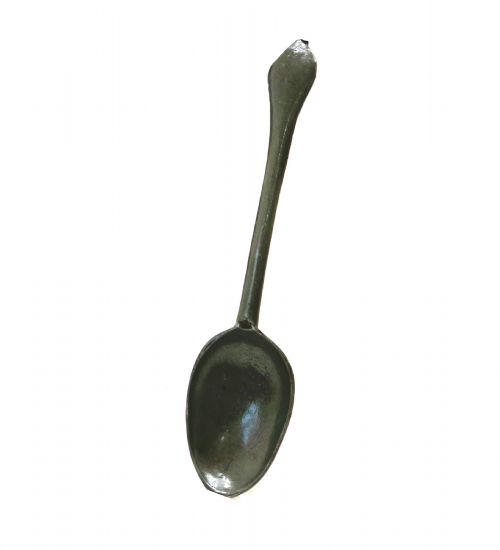
When you search for queen anne flatware, you encounter pieces spanning the eighteenth century and the 1920s revival. The material range includes sterling silver, Britannia silver, pewter, and silver plate with steel components.
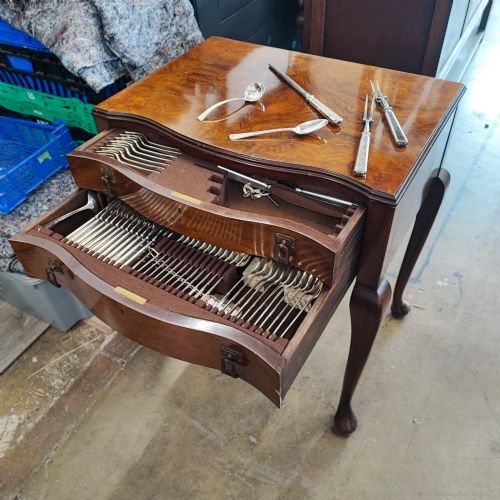
The primary forms appearing on this page are single spoons, tablespoons, marrow spoons, and table forks, alongside later cutlery canteens housed in burr walnut tables.
Origin points stretch from London and provincial workshops in East Anglia and the West Country to Scotland.
How They Were Made
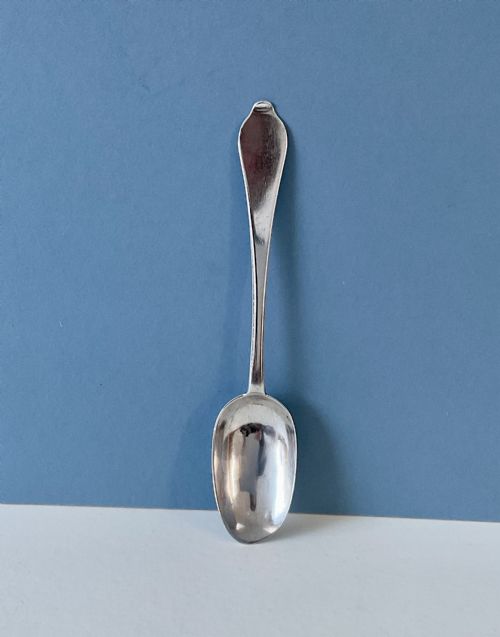
Makers shaped sterling silver and higher-purity Britannia silver into dognose profiles, incorporating rattail spines and lace back decoration for structural rigidity and ornament.
Pewter and steel combinations served both early metalware production and later twentieth-century canteens, while specialised utensils like marrow spoons required targeted forging.
Listings combine eighteenth-century silver and pewter with 1920s silver plate and burr walnut furniture.
What Varies in Quality
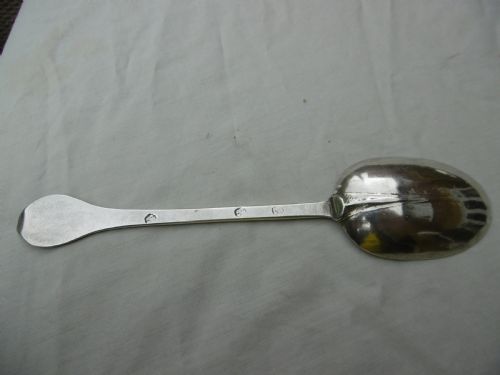
The distinction between ordinary and exceptional pieces rests upon the clarity of hallmarks, makers' marks, and engraved crests such as armorials or stags.
Provincial origins and documented makers from London, Plymouth, or Edinburgh elevate historical interest above unmarked domestic items.
Benjamin Watts·John Smith·John Pike·Richard Rae·Lawrence Coles·J Ladyman
The Queen Anne Flatware Glossary
- Dognose
- A spoon or fork style with a rounded, upturned terminal resembling a dog's nose, popular in the early eighteenth century.
- Britannia Silver
- A higher standard of silver alloy introduced by statute in England, containing 95.84 percent pure silver.
- Rattail
- A slender tapering tongue of metal extending down the back of a spoon bowl from the handle for reinforcement.
- Marrow Spoon
- A specialised utensil featuring a narrow trough on each end for extracting marrow from bones.
Queen Anne Flatware: Frequently Asked Questions
What is queen anne flatware?
Queen anne flatware comprises eating utensils and serving pieces originating in the early eighteenth century alongside later revival pieces.
The selection includes dognose spoons, table forks, and canteens made from silver, pewter, and steel.
How do I identify early spoons?
Early spoons display characteristic dognose terminals, rattail spines, and punched silversmith marks.
Examination of the metal and hallmarks reveals regional origins and specific production dates.
How do I care for silver?
Silver flatware requires gentle cleaning with appropriate silver polish to preserve the original surface.
Storage in lined canteens or felt rolls prevents unnecessary tarnishing and scratching.