
English Sterling Silver Flatware
When you search for english sterling silver flatware, you step into centuries of dining history shaped by skilled silversmiths.
English Sterling Silver Flatware
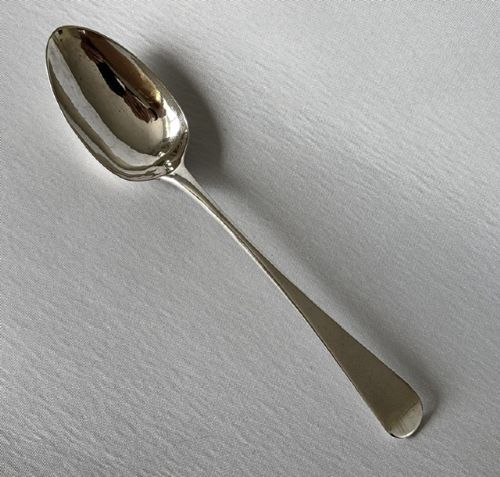
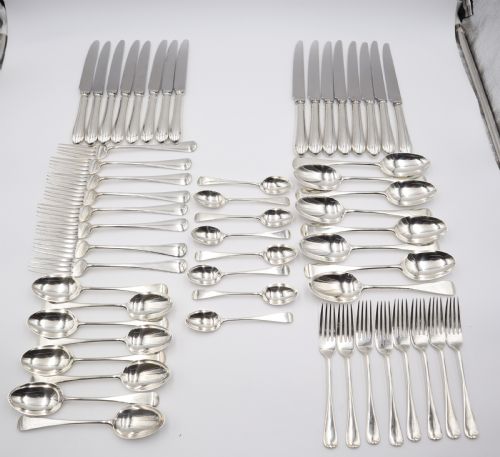
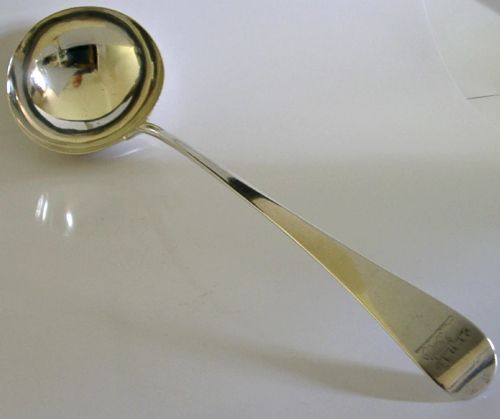
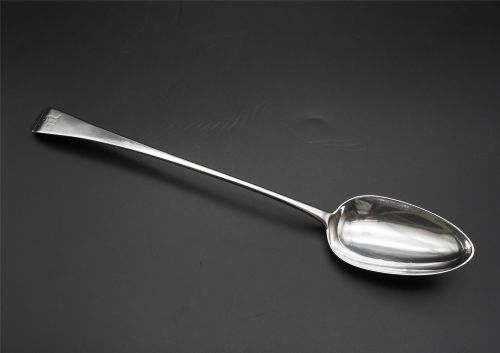
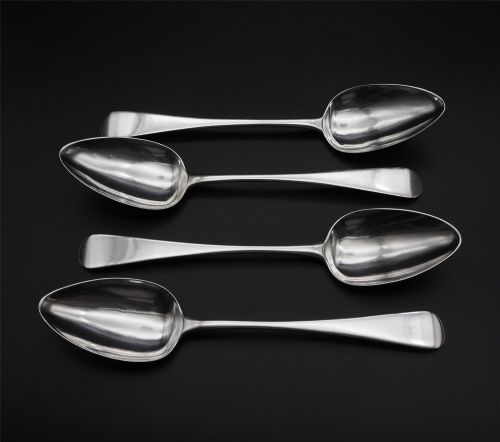
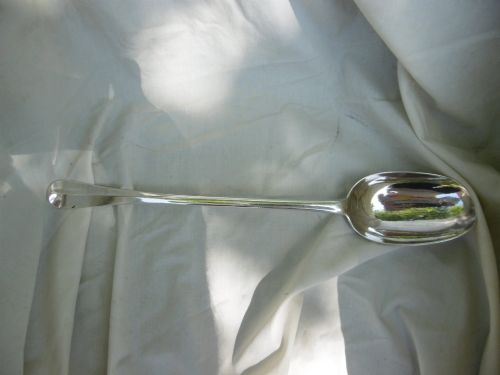
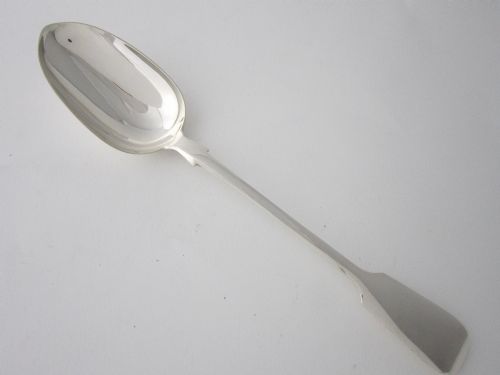
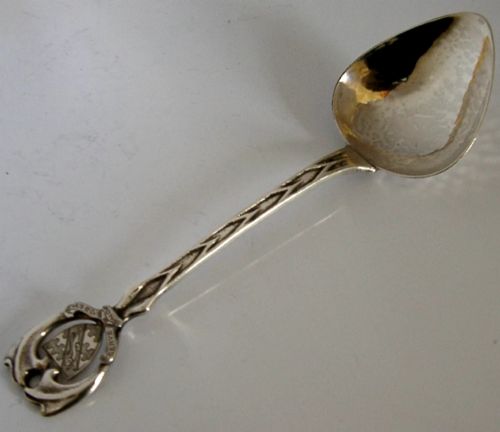
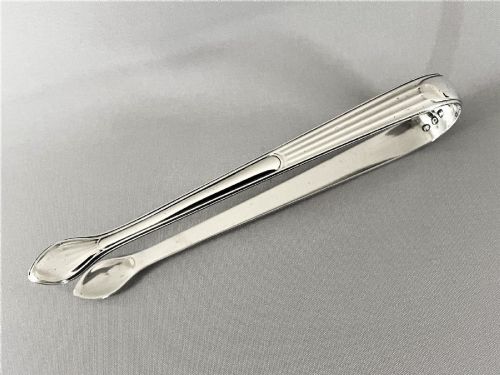
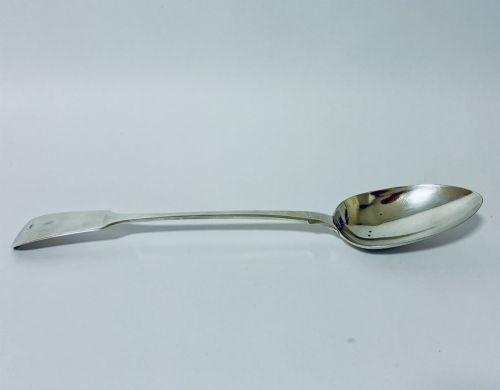
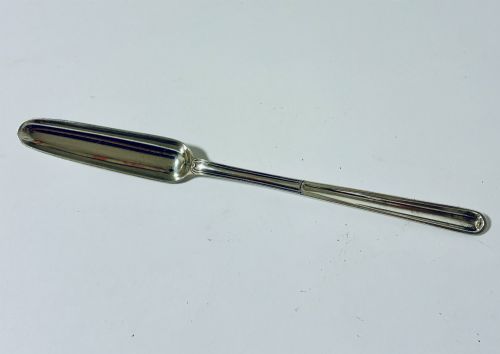
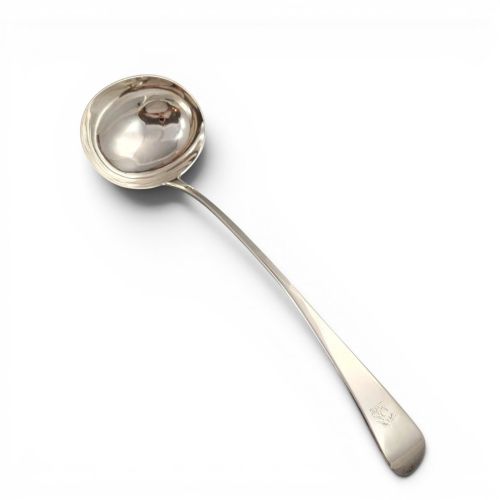
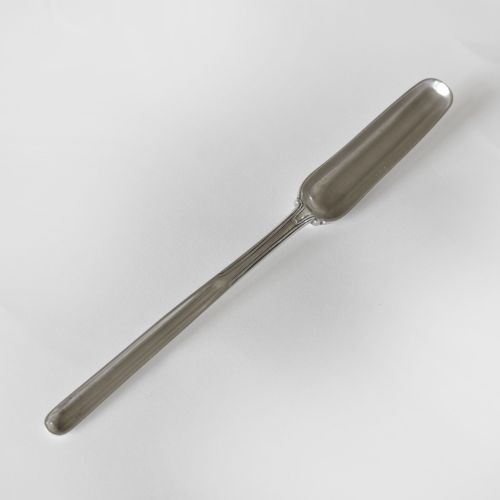
English sterling silver flatware encompasses functional and serving utensils designed for the dining table, ranging from single spoons to matched sets. You will most frequently encounter Georgian and Victorian examples on this page, including serving spoons, tablespoons, and specialised items like marrow scoops and ladles.
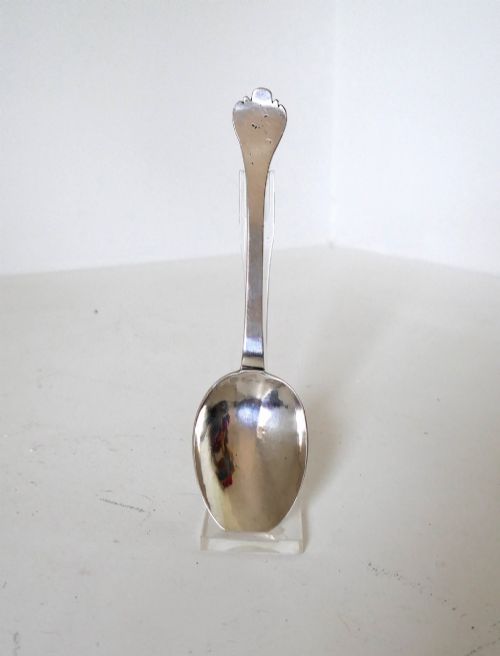
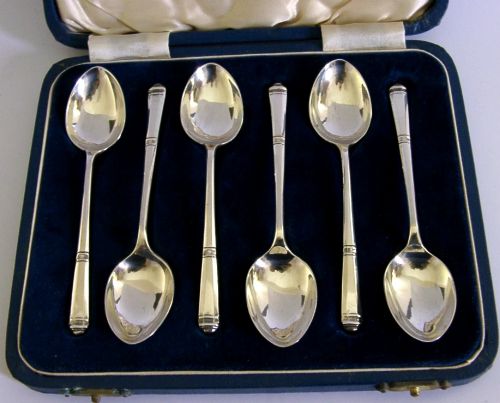
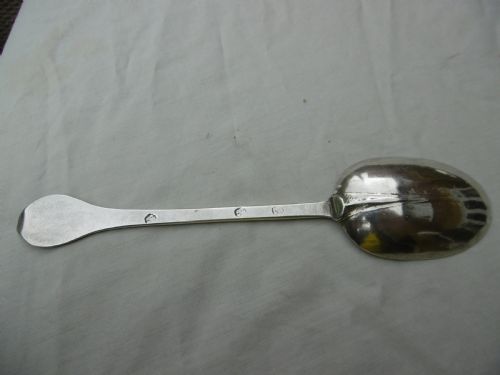
The selection spans several centuries, touching upon 17th-century trefid spoons, Queen Anne dognose spoons, and later Art Deco tea sets. Makers utilised distinct patterns such as Old English and Fiddle, reflecting the changing aesthetic preferences of British households over generations.
How they were made
Silversmiths shaped these utensils predominantly from sterling silver and Britannia standard silver, hammering and casting the metal into enduring forms. Handles frequently display detailed hallmarks, touchmarks, and occasional ornate scrollwork or crest engravings.
Specialised pieces like grape scissors and ice cream servers incorporate steel components where functional strength was required. Fitted cases lined with velvet or leatherette occasionally accompany multi-piece sets from later periods.
What varies in quality
Quality rests upon the crispness of the hallmarks, the preservation of the original bowl shape, and the integrity of any engraved crests or decorative scrollwork. Heavy gauge silver that resists bending during use distinguishes superior utensils from lighter productions.
The renown of the maker and the legibility of the smith's stamp heavily influence the standing of an individual spoon or serving piece. Utensils that retain their balanced weight in the hand demonstrate the maker's original skill.
Peter and Jonathan Bateman·Hester Bateman·Jonathan Hayne·Charles Reily and George Storer
The English Sterling Silver Flatware Glossary
- Flatware
- Utensils used for eating, serving, and preparing food at the table. This encompasses everything from teaspoons to large basting spoons.
- Hallmark
- Official stamps applied to precious metals to guarantee purity and origin. These marks often reveal the city of assay, the date letter, and the silversmith's initials.
- Trefid
- An early form of flatware handle ending in a three-lobed shape, popular during the late seventeenth century.
- Marrow scoop
- A narrow, trough-like utensil designed for extracting bone marrow. They often feature a small scoop at one end and a larger one at the other.
- Dognose
- A spoon style featuring a rounded, upturned terminal tip that evolved into the modern tablespoon profile during the turn of the eighteenth century.
English Sterling Silver Flatware: Frequently Asked Questions
How do I identify a Georgian spoon?
Georgian spoons typically display clear hallmarks that indicate the reign of George I through George IV. Examining the stem shape and bowl proportion helps confirm the period.
Many pieces from this era utilise the Old English pattern, characterised by a rounded, downward-curving terminal.
What is a marrow scoop used for?
A marrow scoop served a practical dining function in elite households for extracting marrow from bones during formal meals. The dual-ended design accommodated different bone sizes.
Over time, these utensils became collector's pieces due to their distinct elongated form.
Can I use antique silver flatware daily?
Many people choose to use antique silver flatware for special occasions or daily dining. Sterling silver is durable enough for regular use when hand-washed carefully.
Avoiding abrasive cleaners preserves the original hallmarks and surface finish over decades of use.
What does Britannia standard mean?
Britannia standard silver indicates a higher silver purity than standard sterling, containing 95.84 percent pure silver. Parliament briefly mandated this stricter purity standard in the late seventeenth century.
Utensils bearing these marks display a distinct Britannia figure hallmark instead of the traditional lion passant.