
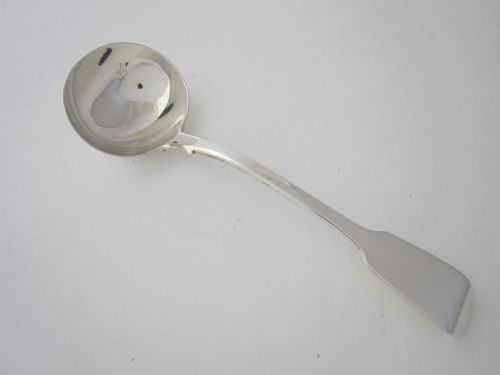
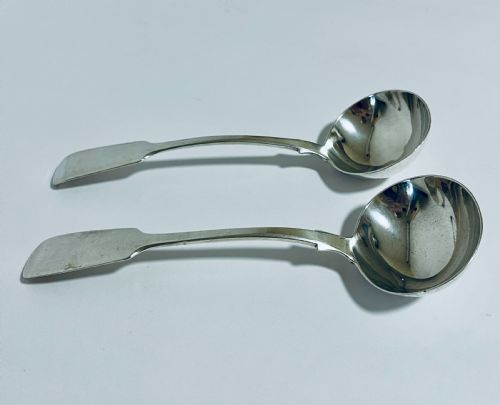
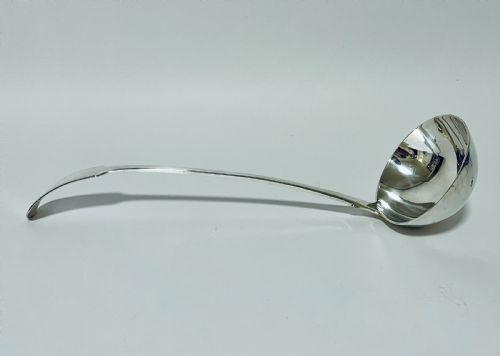
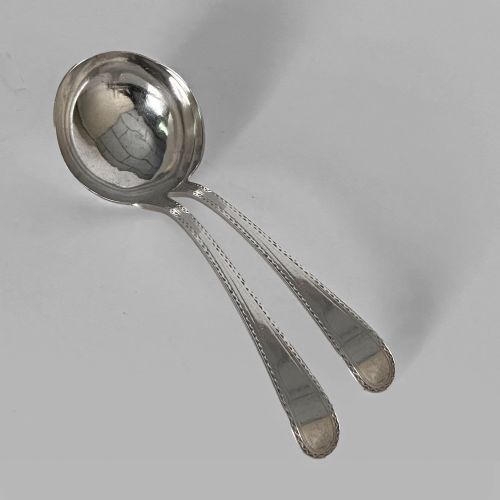



Sterling Silver Sauce Ladle
A sterling silver sauce ladle brings balance and proportion to the table, designed specifically for serving gravies and sauces with ease.
Sterling Silver Sauce Ladle
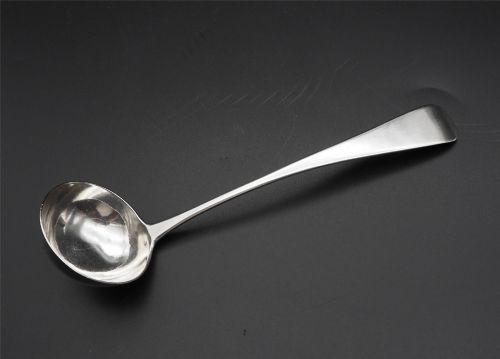
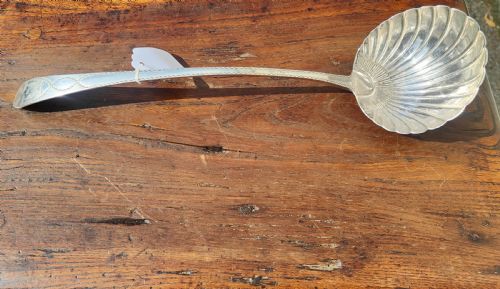
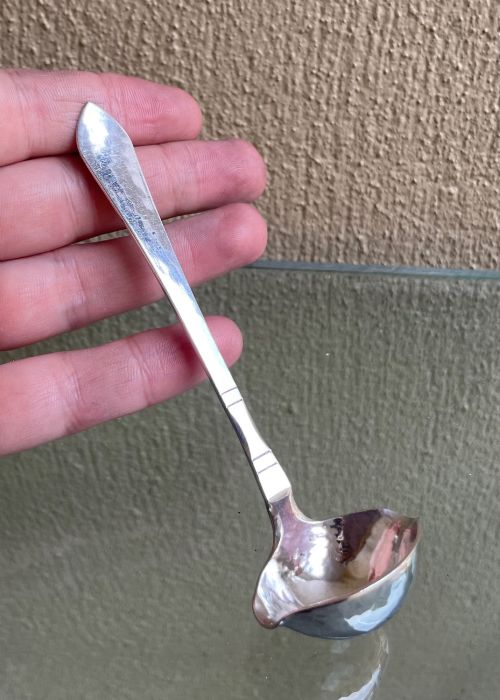
A sterling silver sauce ladle is a specialised serving utensil designed for portioning gravies, creams, and table sauces. These pieces appear primarily in Georgian and Victorian forms, alongside later interpretations from the twentieth century.
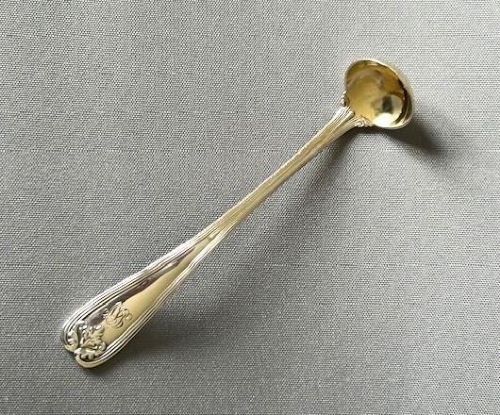
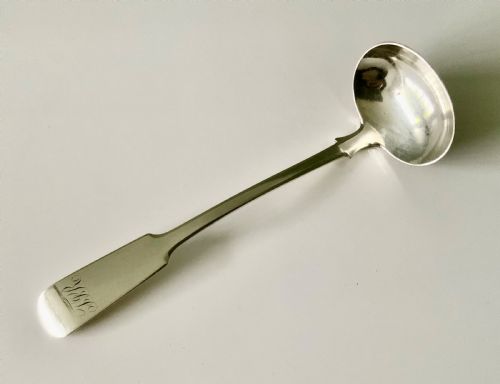
Buyers encounter regional variations ranging from Scottish provincial and Irish examples to English and Continental designs. Standard forms include fiddle pattern handles, long-handled condiment ladles, and specialised pieces featuring detachable strainers.
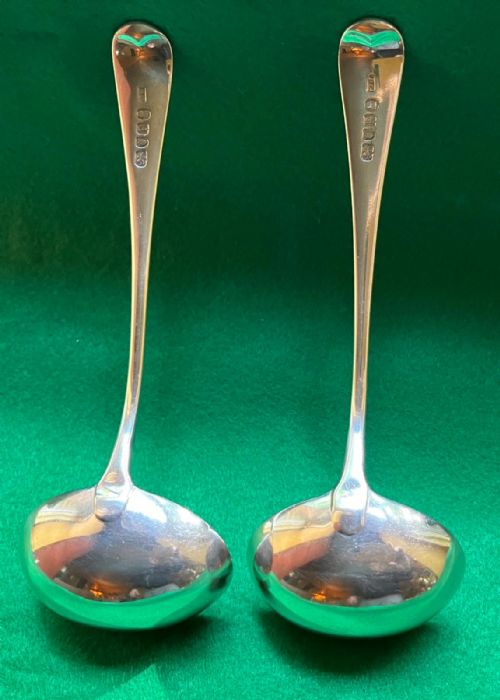
Many examples survive as single utensils, though paired sets also appear frequently in both current listings and archive records. Their forms reflect the dining habits of the eighteenth, nineteenth, and early twentieth centuries.
Materials and construction methods
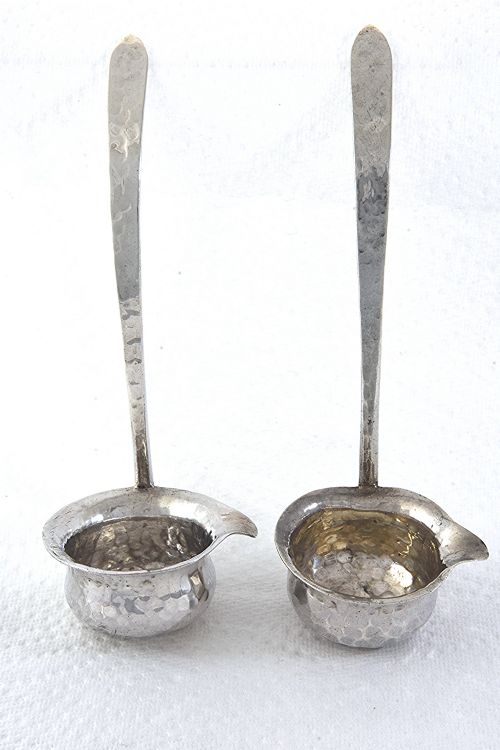
These utensils are forged primarily from sterling silver or solid silver, with occasional variations incorporating horn or wood for handles. Metalsmiths shaped the bowls and stems through traditional hammering and casting techniques.
Decoration often includes ornate scrollwork, chased detailing, or distinct flatware patterns such as the fiddle design. Certain specialised forms integrate functional elements like detachable sieves for straining mint sauce or other accompaniments.
Listings feature sterling silver sauce ladles spanning Georgian, Victorian, and Edwardian periods, alongside twentieth-century Danish modern designs.
Distinguishing quality in silver ladles
Quality rests heavily upon the crispness of the maker's mark and the clarity of any engraved ornamentation. Crisp scrollwork and well-defined fiddle patterns indicate superior silversmithing compared to worn or soft detailing.
The weight and balance of the piece dictate its handling, with heavier gauge silver providing a more substantial feel in the hand. Maker attribution also plays a central role, particularly pieces bearing marks from notable provincial workshops or recognised silversmiths.
Hester Bateman·William Ferguson·Georg Jensen·Viner's
The Sterling Silver Sauce Ladle Glossary
- Sterling silver
- A silver alloy containing 92.5 percent pure silver by mass, with the remainder composed of other metals, usually copper. This standard ensures durability while maintaining precious metal properties.
- Toddy ladle
- A small ladle traditionally used for serving hot mixed drinks containing spirits, sugar, and water. These often feature twisted whalebone or wooden handles alongside silver bowls.
- Condiment ladle
- A smaller version of a serving ladle designed for individual table condiments like mustard or relish. They typically measure shorter than standard sauce ladles.
Sterling Silver Sauce Ladle: Frequently Asked Questions
What is a sauce ladle used for?
A sauce ladle serves gravies, cream, and table sauces cleanly from a boat or tureen. Its small, deep bowl helps portion liquids without spilling.
These utensils have accompanied dining tables since the eighteenth century, matching the rise of specialised serving silver.
How do I identify a Georgian ladle?
Georgian ladles date between 1714 and 1830, often displaying hallmarks that include king's heads, date letters, and sterling marks. Their shapes tend toward traditional fiddle patterns and plain or bright-cut stems.
Examining the assay office marks and maker's stamps provides the exact year of production.
How do I care for antique silver?
Antique silver requires gentle cleaning with a specialised soft cloth and non-abrasive polish to preserve the original hallmarks and surface detail. Avoid harsh chemical dips that strip the natural patination built up over centuries.
Storing pieces in tarnish-resistant wraps helps maintain their condition between uses.