
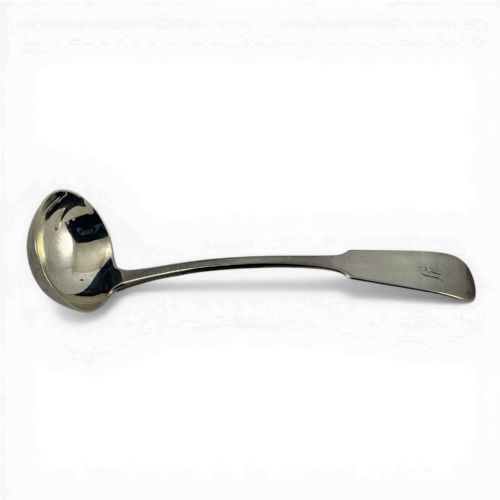


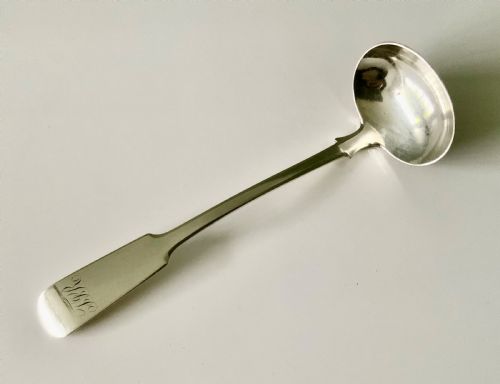

Antique Silver Sauce Spoon
An antique silver sauce spoon brings immediate grace to the table, offering the right weight and balance for pouring gravies and condiments.
Antique Silver Sauce Spoon
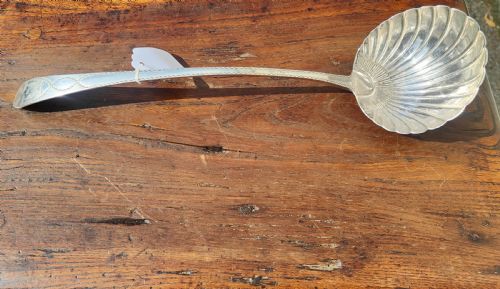
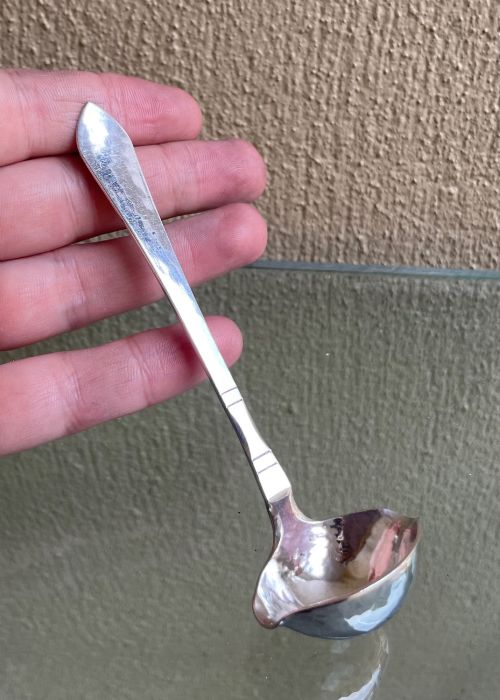
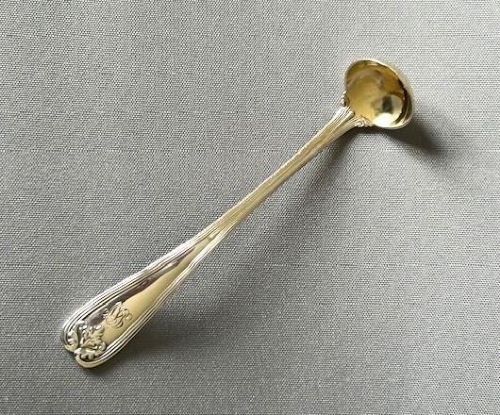
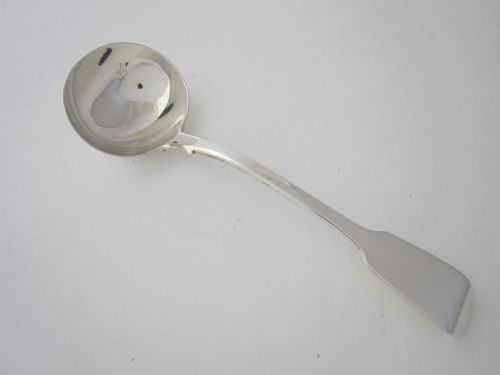
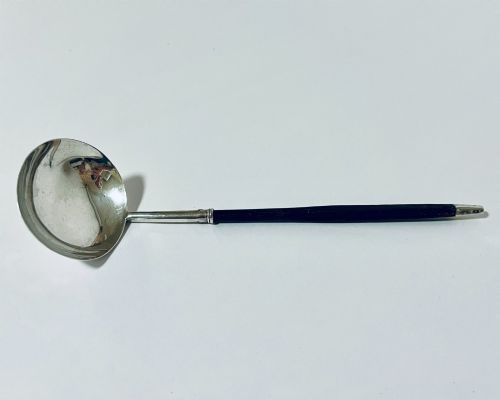
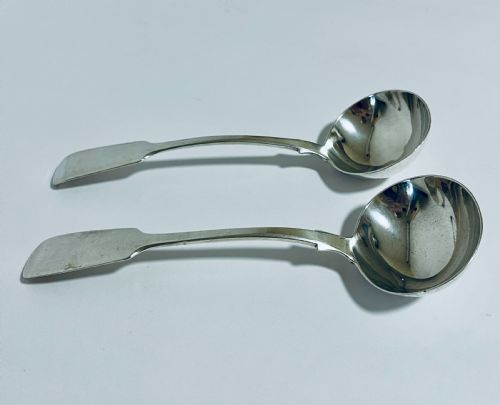
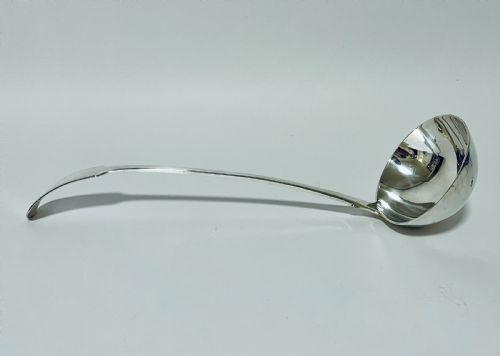
When you search for an antique silver sauce spoon, you find pieces designed specifically for serving gravies, creams, and table sauces during meals. These utensils appear in various forms, including small ladles and condiment spoons originating from the Georgian, Victorian, and later periods.
Beyond standard British items, the selection includes pieces with specific regional provenance, such as Scottish provincial and Irish examples, alongside later Danish Modern and Continental designs. Each variation reflects the dining customs and silversmithing traditions of its specific decade and location.
Materials and construction
Silversmiths primarily utilised sterling silver and solid silver for these utensils, hammering and shaping the metal to achieve durable bowls and balanced handles. Certain pieces incorporate additional materials like wood, horn, or metal alloy details to enhance the grip and appearance.
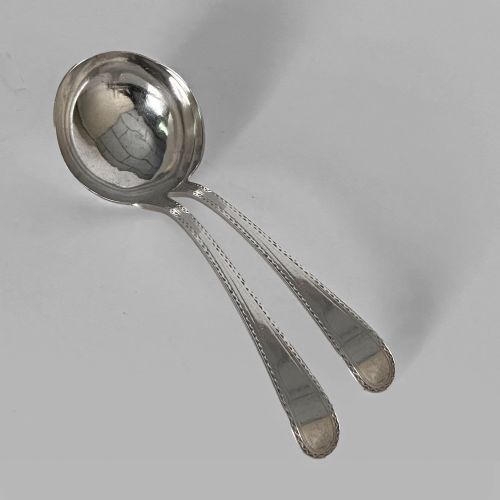
Makers applied techniques such as intricate scrollwork engraving and decorative pattern stamping, visible in designs like the Queens and Colonial patterns. Plated variations rely on a base metal core coated with a silver layer, while solid pieces demonstrate traditional forging and smithing methods.
Listings feature items spanning from the 18th Century through the Victorian era up to the 1930s, utilising sterling silver, silver plate, and horn.
Markers of distinction
The quality of a piece rests largely on the clarity of its hallmarks, the crispness of any engraved crests or patterns, and the original thickness of the bowl. Well-preserved examples retain their structural integrity without excessive wear to the edges of the spoon.
Pieces bearing marks from notable makers or specific provincial towns command greater interest due to their scarcity and documented history. Furthermore, matched pairs or sets demonstrate superior craftsmanship and uniformity compared to individual, miscellaneous spoons.
Georg Jensen·Tiffany·Hester Bateman·William Ferguson·Chawner and Co
The Antique Silver Sauce Spoon Glossary
- Hallmark
- Official stamps struck into precious metals to guarantee purity, origin, and the year of production. These marks allow collectors to trace a piece back to its specific assay office and maker.
- Fiddle Pattern
- A popular 19th-century flatware handle design characterised by a narrow stem that flares sharply into a shoulder before spreading out at the terminal, resembling the body of a violin.
- Spoon warmer
- A Victorian table accessory designed to hold hot water and keep serving spoons warm so they would not congeal fats in sauces and gravies. They take various unusual forms, including sauce boat shapes.
- Condiment ladle
- A small serving spoon with a rounded bowl used specifically for portioning relishes, jams, or sauces from small pots. They scale down the proportions of a standard gravy ladle for table use.
Antique Silver Sauce Spoon: Frequently Asked Questions
How do I clean antique silver?
Use a soft microfiber cloth and a mild, specialised silver polish to gently remove tarnish without scrubbing away fine details or hallmarks. Avoid harsh chemical dips that can strip the natural patina accumulated over the decades.
Store your silver in a dry, tarnish-resistant cloth bag or a lined box when not in regular use. Minimalist cleaning preserves the metal surface and maintains the historical integrity of the piece.
How are periods identified?
Period identification relies on reading the stamped assay office marks, maker initials, and date letters found on the reverse of the handle or bowl. Stylistic cues such as spoon bowl shape and handle ornamentation also point toward specific decades like the Georgian or Victorian eras.
Comparing these physical characteristics against historical hallmarking records confirms the exact era of manufacture.
Can these spoons be used daily?
Solid silver and sterling silver pieces are durable enough for regular dining use, provided they receive careful hand washing rather than dishwasher cycles. The robust construction of these historical utensils suits modern table service just as well as it did in the past.
Careful handling ensures that delicate engravings and thin bowls remain undamaged over years of practical enjoyment.