



Hallmarked Silver Condiment Spoon
A hallmarked silver condiment spoon is a small table implement for salt, mustard, or relish, prized for its refined metalwork and everyday utility.
Hallmarked Silver Condiment Spoon
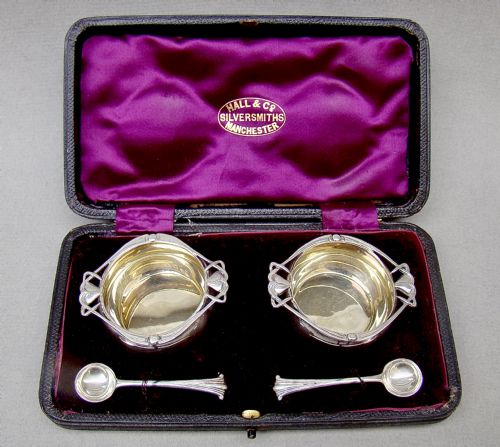
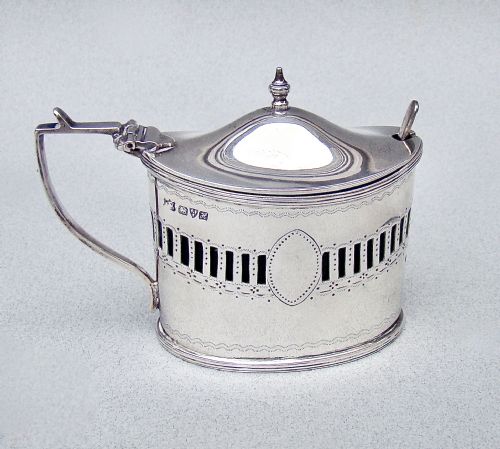
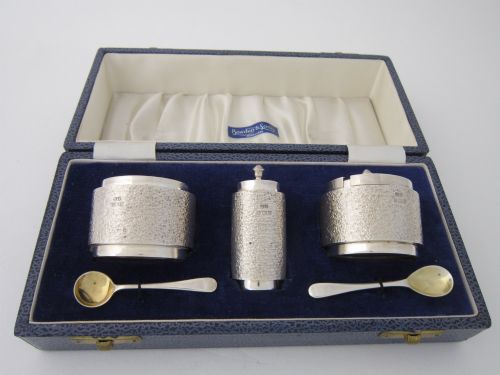
A hallmarked silver condiment spoon is a small serving implement designed for use with salt cellars, mustard pots, and cruet sets on the dining table. These implements appear in various forms across the Victorian, Edwardian, and mid-twentieth-century periods, often accompanying matching pots or forming part of larger cutlery sets.
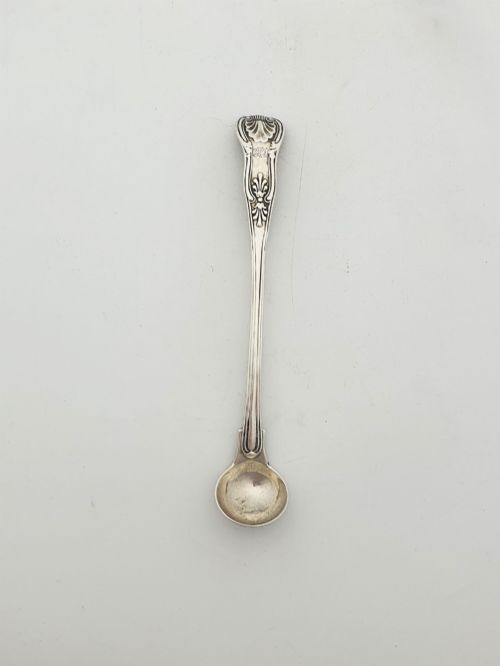
Buyers seeking a hallmarked silver condiment spoon will encounter items ranging from early Victorian Kings pattern pieces to Edwardian revival designs and later twentieth-century sets. The selection includes specialised items such as mustard spoons, salt spoons, and longer cayenne spoons paired with glass or precious metal vessels.
How they were made
Silversmiths utilised sterling silver and silver-gilt, applying traditional techniques of shaping, hammering, and casting to form the bowls and stems. Selected pieces incorporate decorative elements such as patterned handles or cut glass components.
Maker marks, date letters, and assay office stamps are struck directly into the sterling silver, recording the origin and year of manufacture in accordance with British hallmarking regulations.
Hallmarked Silver Condiment Spoon Retail Price Guide 2026
Typical asking prices for hallmarked silver condiment spoon among the pieces listed under this phrase on Sellingantiques today, from the lower quarter to the upper quarter. They describe what is for sale here now, not the wider market.
Some Victorian dining sets squeezed tiny glass pear handles onto long cayenne spoons, letting diners add fiery spice without losing their grip.
What varies in quality
Quality in a hallmarked silver condiment spoon depends upon the crispness of the original stamping or chasing and the substantial weight of the sterling silver used in its construction. Finer examples display well-defined pattern work on the handle and a balanced proportion between bowl and stem.
The presence of crisp, legible hallmarks and the inclusion of original fitted cases lined with silk, velvet, or leatherette distinguish higher-tier individual pieces and matched sets from simpler everyday wares.
Josiah Williams & Co·Alfred Marston·Wilmot Manufacturing Co·George Adams
The Hallmarked Silver Condiment Spoon Glossary
- Hallmark
- A series of official marks stamped on precious metals to indicate the standard of purity, the assay office, and the year of manufacture. These stamps provide the primary evidence for dating British silver.
- Sterling silver
- An alloy of silver containing ninety-two point five percent pure silver and seven point five percent other metals, usually copper. This standard composition is required for items bearing traditional British hallmarks.
- Silver-gilt
- Sterling silver that has been coated with a thin layer of gold through an electrolytic or fire-gilding process. This treatment gives the interior of condiment bowls a rich golden finish and protects against tarnishing from acidic foods.
- Salt cellar
- An open vessel or small bowl placed on the table to hold salt for individual diners. They frequently accommodate miniature spoons designed specifically for portioning the seasoning.
Hallmarked Silver Condiment Spoon: Frequently Asked Questions
What is a condiment spoon used for?
A condiment spoon serves to transfer salt, mustard, relish, or cayenne from a central pot or individual cellar to the diner's plate. Their small scale ensures precise portioning of strong seasonings.
These implements formed an essential part of formal dining settings across the Victorian and Edwardian eras, where matched cruet sets coordinated with the overall table service.
How do I read silver hallmarks?
British silver hallmarks typically consist of a maker's mark, a standard mark indicating sterling purity, an assay office mark, and a date letter. Each symbol corresponds to specific records held by assay offices.
Examining these stamps with a magnifying glass reveals the exact year and town of manufacture, confirming the authenticity of the piece.
Are these spoons made of solid silver?
Items described as sterling silver are manufactured from solid silver alloy meeting the legal purity standard. They differ from silver-plated wares by retaining their precious metal composition throughout.
Over centuries of use, solid silver develops a soft surface patina while maintaining structural integrity.
How should I clean silver spoons?
Cleaning requires a soft cloth and specialised silver cleaner applied gently to avoid wearing down crisp hallmark stamps or chased decoration. Warm soapy water removes everyday residues before polishing.
Storing pieces away from direct light and moisture helps prevent the formation of heavy tarnish.