


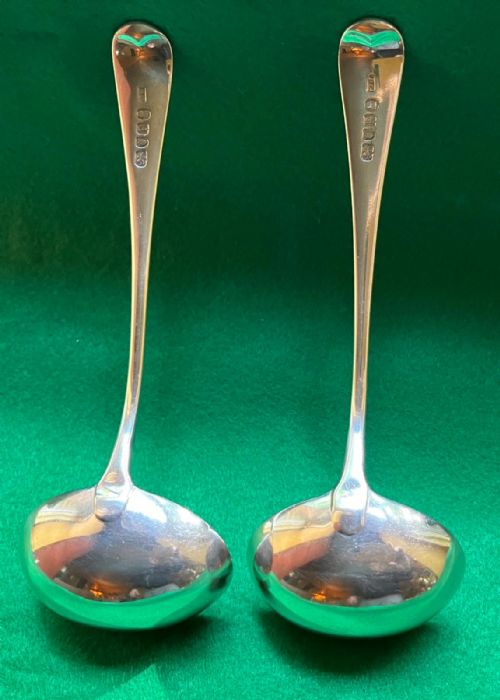


Georgian Silver Gravy Spoon
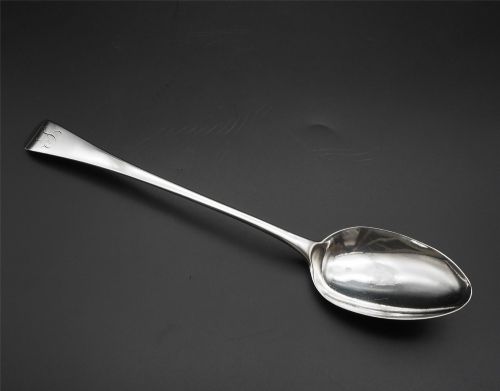
A georgian silver gravy spoon is a substantial serving implement built for the dining table, most often found in the classic Old English or Celtic Point patterns.
Georgian Silver Gravy Spoon
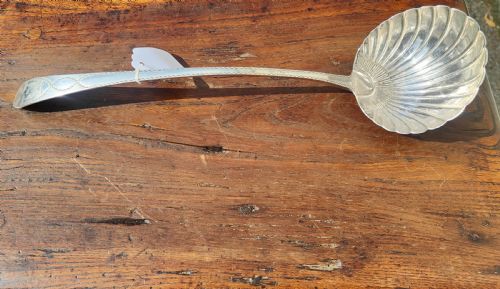
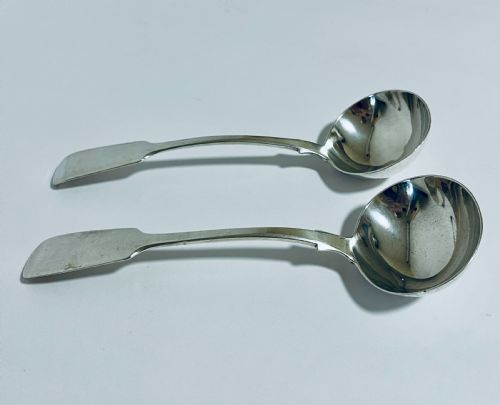
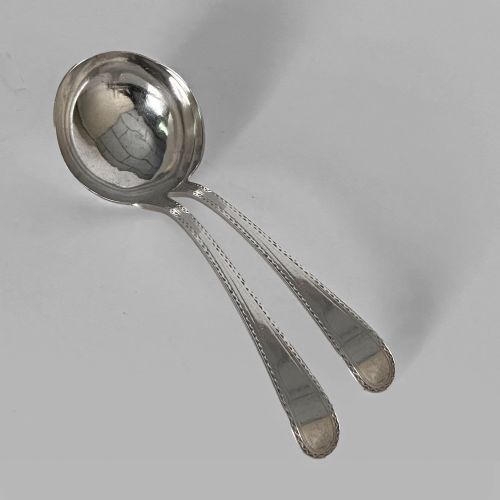
When you search for a georgian silver gravy spoon, you are looking at substantial serving silver produced during the eighteenth and early nineteenth centuries. These pieces appear primarily as large basting spoons, straining spoons, and pairs of sauce ladles designed for the formal dining table.
The versions you are most likely to meet on this page date from the George III period and the eighteenth century. They frequently originate from English and Irish silversmiths, occasionally appearing in fitted cases alongside other serving utensils.
Makers shaped these utensils from sterling silver, employing traditional forms such as the Old English pattern and Celtic Point handles. Some examples include integrated strainers or pierced bowls intended for separating juices at the table.
Materials and construction
Silversmiths utilised sterling silver to forge these heavy serving spoons, hammering and shaping the metal to withstand regular dining use. The construction often involved reinforced bowls and sturdy stems designed to lift heavy joints of meat.
Certain specialised pieces incorporate pierced straining dividers or handle variations like the hookend and Celtic Point. Workshops completed these items with hand-engraved crests and traditional hallmarks struck directly into the silver.
Listings span the Georgian, eighteenth century, and nineteenth century periods, incorporating sterling silver alongside fitted wooden cases lined with silk and velvet.
Judging the work
The distinction between standard examples and superior pieces rests on the weight of the silver and the crispness of the hallmarks. Heavy basting spoons retain thicker bowls and unweakened stems, whereas lesser pieces show thinning from generations of vigorous polishing.
Irish production and specific maker marks introduce further distinction, with documented silversmiths commanding greater attention from collectors. The survival of matching pairs and original fitted cases also elevates the standing of an individual piece.
Hester Bateman·John Locker·Samuel Meriton II
The Georgian Silver Gravy Spoon Glossary
- Basting spoon
- A large serving implement originally intended for spooning pan juices over roasting meat. These are among the longest spoons found on the dining table.
- Straining spoon
- A spoon featuring a pierced partition or internal divider designed to hold back solids while pouring liquids or sauces. They appear in both English and Irish provincial silver.
- Old English pattern
- A traditional flatware style characterised by a downward-curving stem and a rounded terminal. It remains one of the most common designs encountered in Georgian silver.
- Celtic Point
- A tapering handle design ending in a sharp point, frequently seen on Irish silver spoons from the period. This regional variation adds distinct geometry to the terminal.
- Hallmark
- The official stamp applied to precious metals to guarantee the standard of silver, the maker, and the year of assay. These marks provide the primary evidence for dating.
Georgian Silver Gravy Spoon: Frequently Asked Questions
What is a gravy spoon used for?
These large spoons served the dining table by transferring sauces and juices from a tureen or roasting dish onto individual plates. Their generous proportions distinguished them from standard eating spoons.
In modern collections, they function primarily as decorative serving pieces or display items alongside other Georgian silverware.
How do I identify a Georgian spoon?
Examination of the hallmarks stamped on the reverse of the stem provides the exact assay office, date letter, and maker's mark. These official stamps anchor the piece firmly within the Georgian era.
Stylistic indicators such as the Old English pattern or Celtic Point handle further confirm the period of manufacture.
What is a straining spoon?
A straining spoon contains an internal barrier or pierced divider across the bowl that separates solid ingredients from liquids during serving. They were essential tools for rich meat juices containing herbs or bits.
Examples range from standard basting sizes to smaller sauce ladles equipped with the same filtering mechanism.
Are Irish silver spoons different?
Irish silver from this era often exhibits distinct regional handle designs, such as the Celtic Point, alongside traditional Dublin assay office hallmarks. These pieces frequently show robust weight and individual maker characteristics.
Collectors prize Irish variants for their relative scarcity compared to standard London-made silver.