

Engraved Sterling Silver Spoon
An engraved sterling silver spoon brings tactile history to the table, offering intricate hand-cut enrichment upon precious metal.
Engraved Sterling Silver Spoon
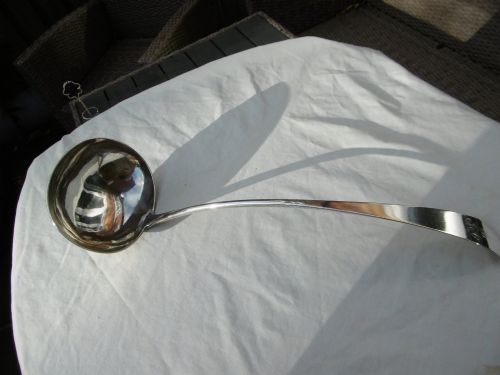
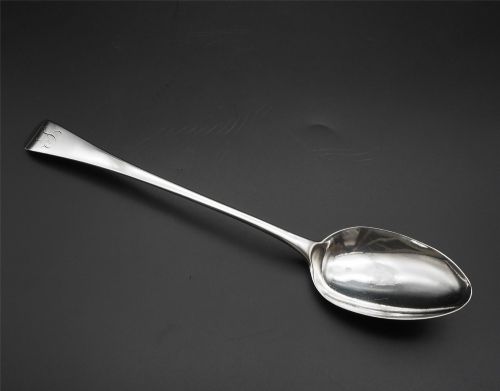
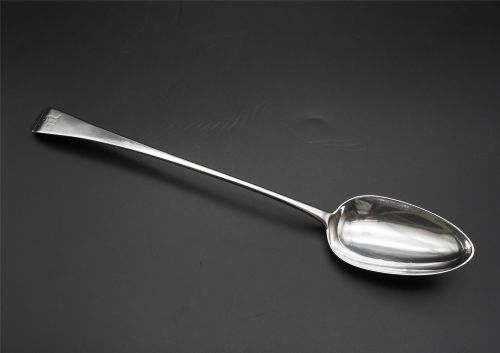
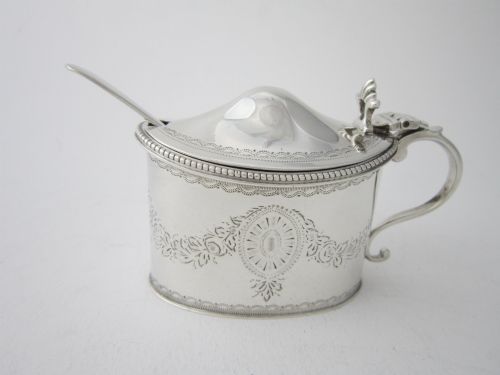
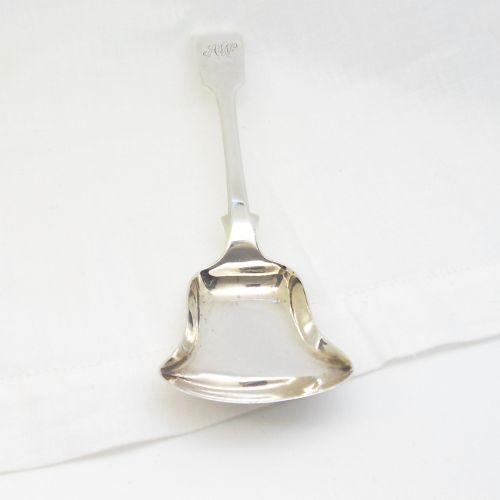
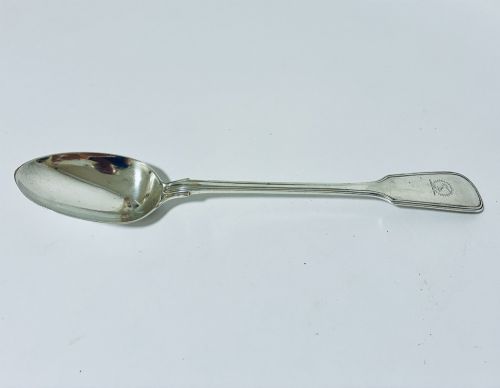
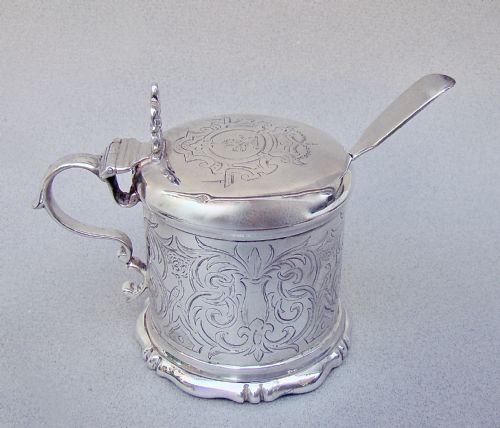
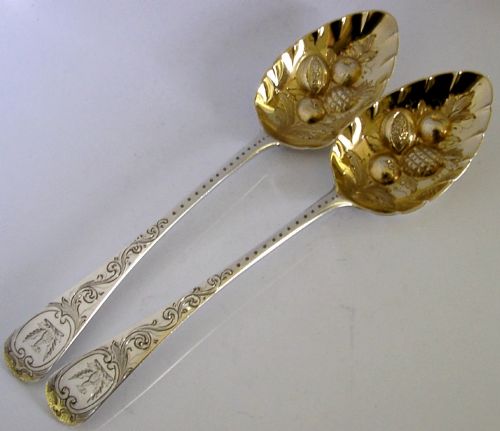
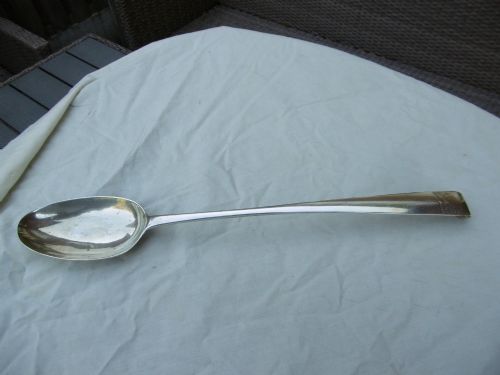
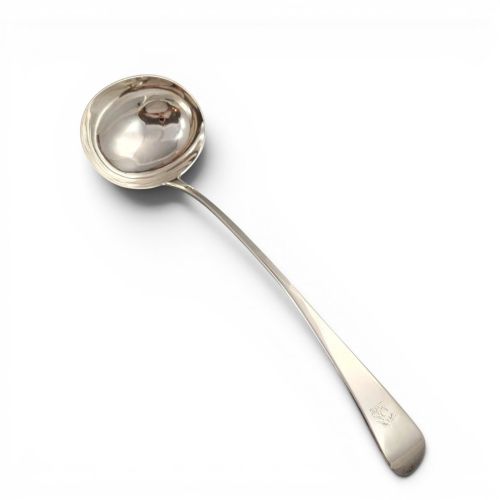
An engraved sterling silver spoon spans multiple centuries of dining and domestic custom, ranging from specialised caddy spoons and mustard pots to large basting spoons and serving ladles. Pieces originate across British and Irish centres, including Scottish provincial towns and Dublin, carrying the marks of Georgian, Victorian, and Edwardian periods.
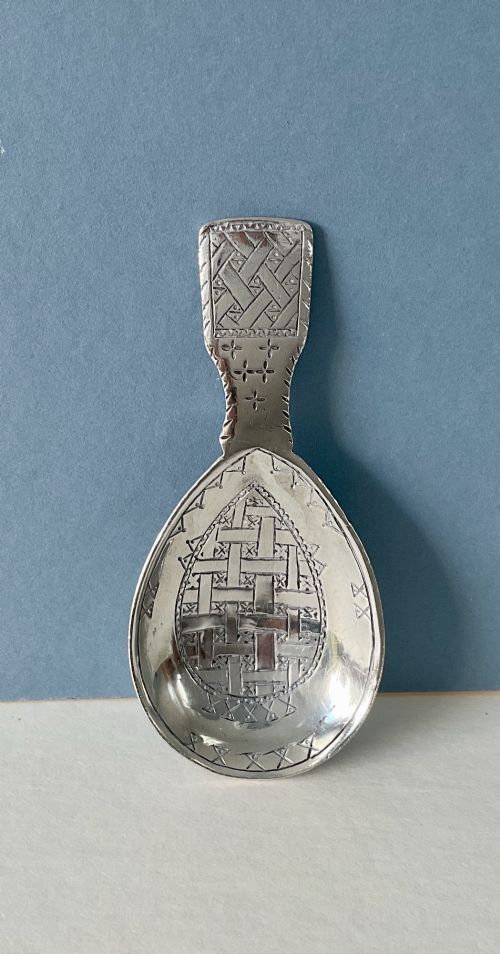
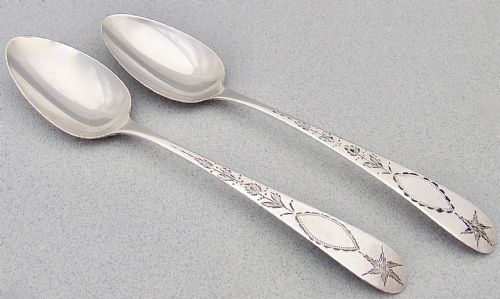
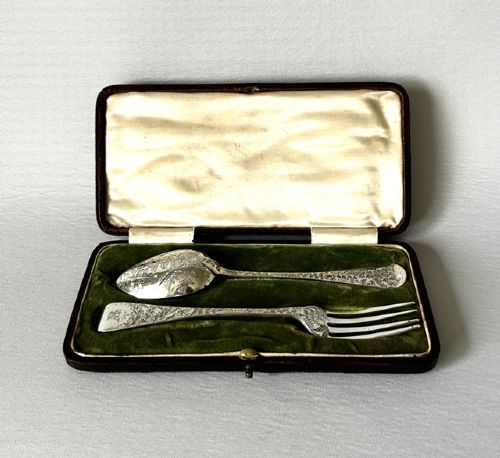
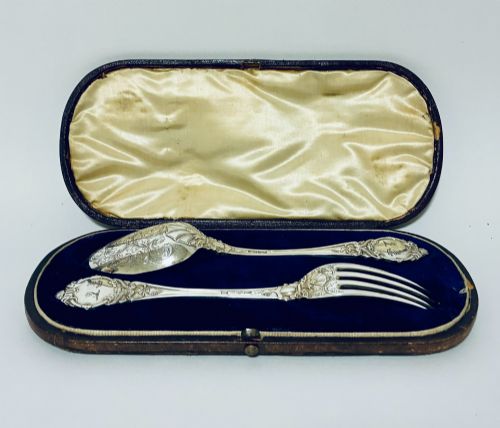
Caddy spoons and berry spoons frequently display the detailed surface engraving that defines this category, alongside crested tablespoons and novelty forms. Buyers encounter these items in various states of preservation, sometimes housed in original velvet or silk-lined presentation boxes.
Metals and Surface Techniques
Silversmiths utilised sterling silver and silver gilt, applying hand-engraving and gold wash to enhance handles, bowls, and stems. Articles were shaped through traditional hammering and casting methods before receiving crisp punchwork, crests, and bright-cut patterns.
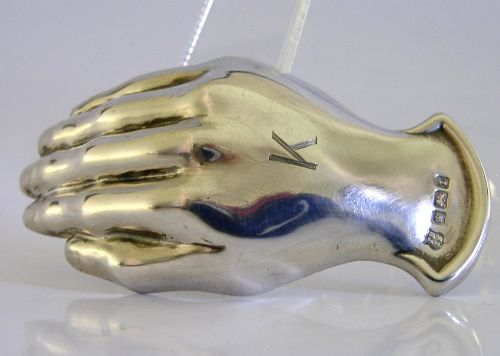
Fittings and storage cases incorporated silk, velvet, leather, and agate, pairing organic textures with polished metal. Hallmarks were stamped directly into the silver to record the year, assay office, and maker.
Materials paired with these items include protective leather cases and velvet-lined presentation boxes.
Distinguishing Quality and Execution
Quality rests in the crispness of the engraving and the depth of the metalwork, distinguishing sharp hand-cut decoration from worn surfaces. Well-executed crests, clear hallmarks, and balanced proportions elevate domestic utensils into fine examples of silversmithing.
The integrity of the original form dictates desirability, where untouched bowls and sturdy handles retain their original weight and balance. Cases and fitted boxes add context, though the primary standard remains the skill applied to the silver itself.
John Pittar·John Walton·Charles and George Fox·John Craig·Jerimiah Johnson·William Ferguson·William Chawner II·William Neale·James Tookey·William Penstone·Bateman
The Engraved Sterling Silver Spoon Glossary
- Sterling silver
- A silver alloy containing 92.5 percent pure silver and 7.5 percent other metals, typically copper, chosen for durability.
- Hallmark
- An official stamp applied to precious metals indicating the assay office, standard of purity, and year of production.
- Berry spoon
- A large serving spoon, often Georgian or Victorian, featuring fruit motifs chased and engraved into the bowl.
- Caddy spoon
- A short spoon designed for measuring tea leaves from a caddy, frequently featuring decorative engraved handles.
- Bright-cut engraving
- A surface decoration technique using faceted cuts to catch the light and create geometric or floral patterns.
Engraved Sterling Silver Spoon: Frequently Asked Questions
How do I clean an engraved sterling silver spoon?
Use a soft cloth and a gentle silver polish specifically formulated for antique metals to avoid wearing down fine engraved details. Avoid harsh chemical dips that can strip the natural patina accumulated over centuries.
Store pieces in dry conditions, and if lining boxes are present, keep them away from excessive humidity to protect the silk and velvet interiors.
What is the difference between a caddy spoon and a tablespoon?
Caddy spoons possess short handles and wide bowls proportioned specifically for transferring loose tea leaves from storage caddies into pots. Tablespoons are much larger dining implements used for serving food.
Both forms frequently feature engraving, but their distinct sizes reflect entirely different domestic functions during the Georgian and Victorian eras.
Can I use antique silver spoons for everyday dining?
Many buyers choose to use sturdy Georgian and Victorian spoons for special meals, provided they receive careful hand washing rather than machine cleaning. The solid sterling silver construction remains durable enough for occasional practical use.
Delicate novelty items or pieces with thin bowls are better suited for display rather than active service at the table.
How do I date an unmarked or hallmarked silver spoon?
Examine the stamped hallmarks on the reverse of the stem to find the town mark, standard mark, and date letter corresponding to specific assay office records. Stylistic clues such as handle shape, crests, and engraving patterns also help narrow down the decade.
Reference standard silversmithing guides to match makers' marks with their active working periods.