
Antique Silver Spoon Case
These antique silver spoon cases protect precious presentation sets and single serving pieces crafted for display and dining.
Antique Silver Spoon Case
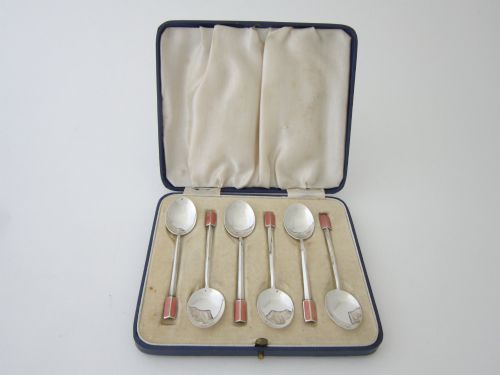
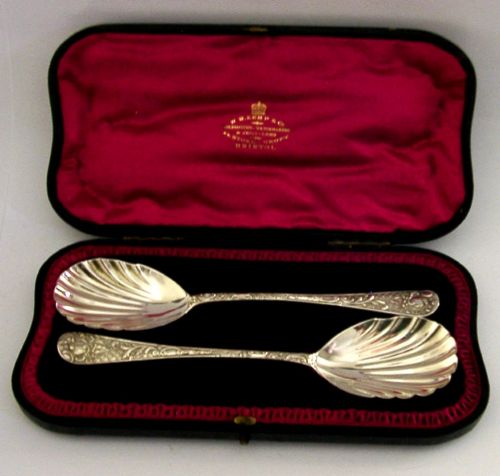
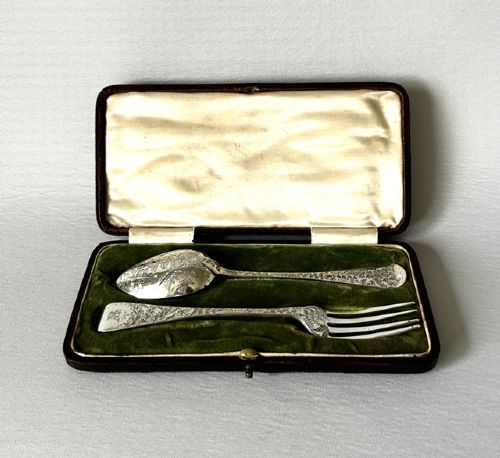
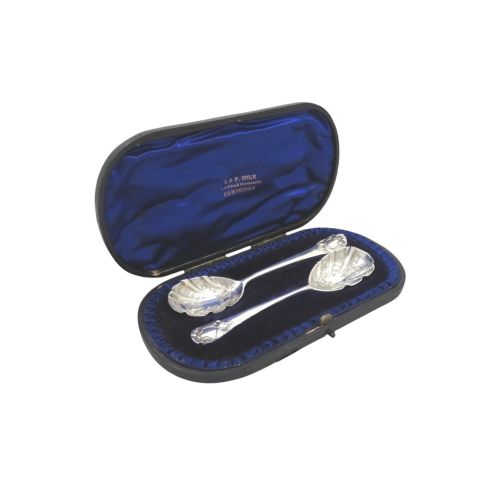
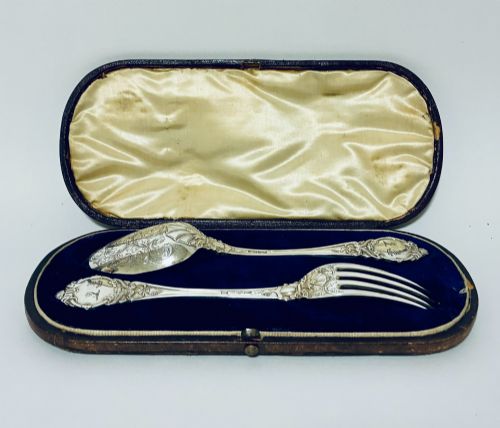
An antique silver spoon case houses fitted sets of cutlery, serving implements, and christening presents designed to prevent tarnish and damage. Buyers searching for an antique silver spoon case encounter fitted wooden boxes lined in plush fabrics, securing individual teaspoons, berry spoons, and condiment sets.
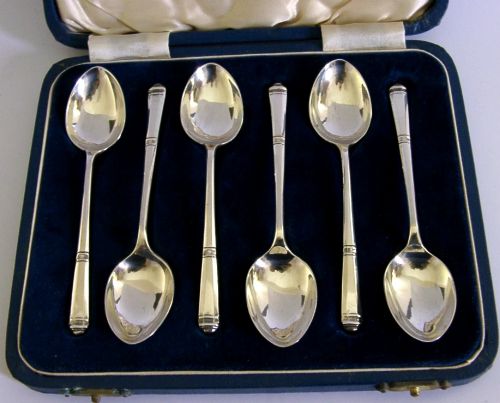
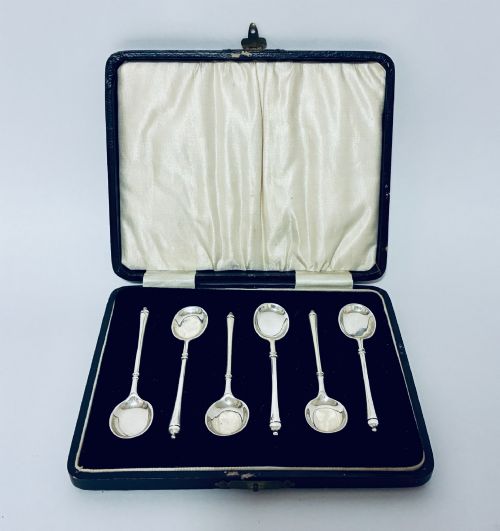
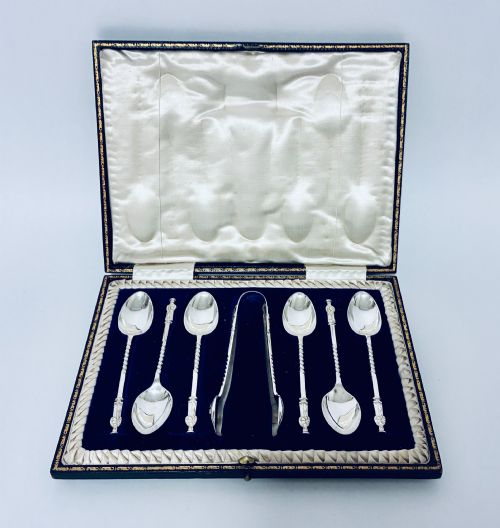
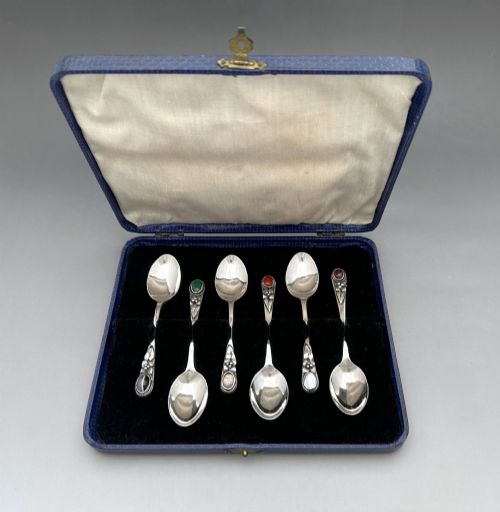
The surviving pieces span multiple eras, with Victorian and Edwardian examples appearing frequently alongside Georgian and Art Deco designs. These fitted containers hold everything from single presentation ladles to complete sets of six or twelve matching spoons with sugar tongs.
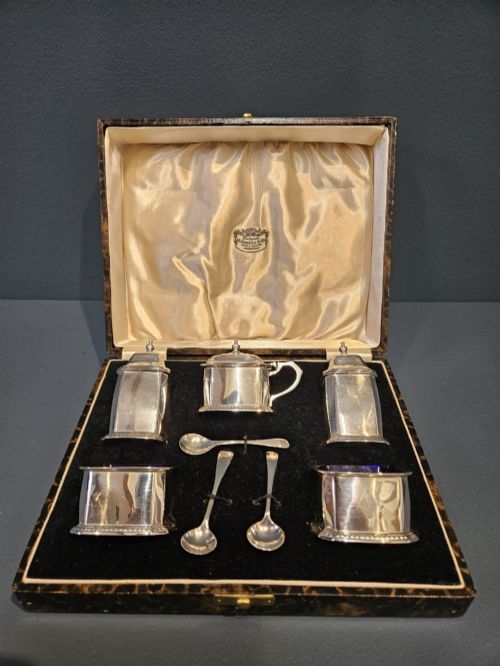
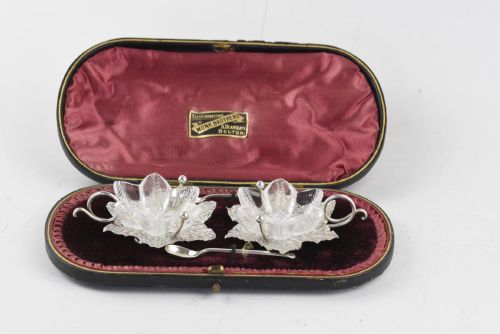
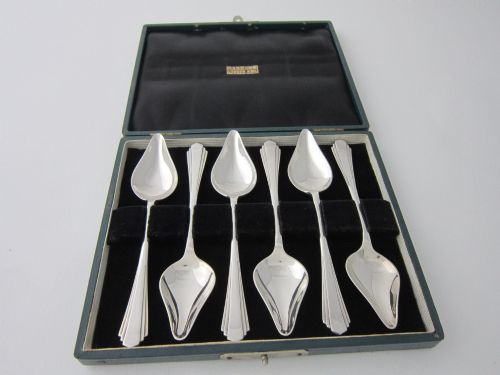
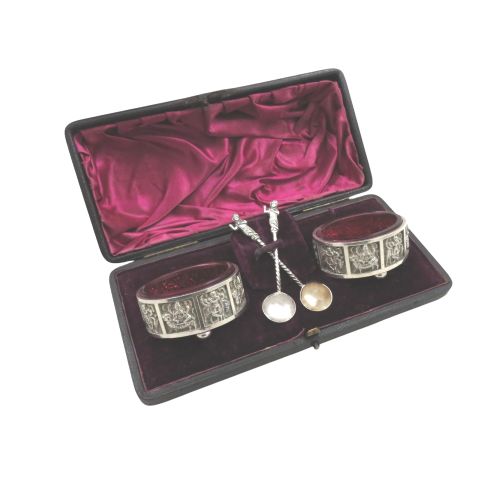
Many of these boxes accommodate specialised dining implements, including grapefruit spoons, butter knives, and salt cellars with matching spoons. The exterior frames use sturdy timber covered in leather or leatherette, whilst the fitted interiors cradle the silver securely.
Distinguishing Factors in Craftsmanship
Superior examples feature heavy-gauge sterling silver with crisp, deep handle engraving and tightly fitted, silk-lined wooden cases equipped with functional brass clasps. Lesser items show thinner gauge metal, worn plating, or replacement inner linings that lack the original manufacturer's tailored fit.
The complexity of the fitted interior and the integrity of the protective outer covering heavily influence the overall standard of the surviving piece. Original hinges, intact interior padding, and matching hallmarks across every spoon in the set separate master silversmith work from assembled alternatives.
Listings feature items spanning from the eighteenth century through to the mid-twentieth century, encompassing Georgian, Victorian, Edwardian, and Art Deco periods.
Goldsmiths & Silversmiths·Josiah Williams & Co·Walker & Hall·Bricks & Sons
The Antique Silver Spoon Case Glossary
- Sterling silver
- A silver alloy containing 92.5 percent pure silver by mass and 7.5 percent other metals, usually copper, ensuring durability for cutlery. This standard alloy appears across the vast majority of British dining items.
- Silver gilt
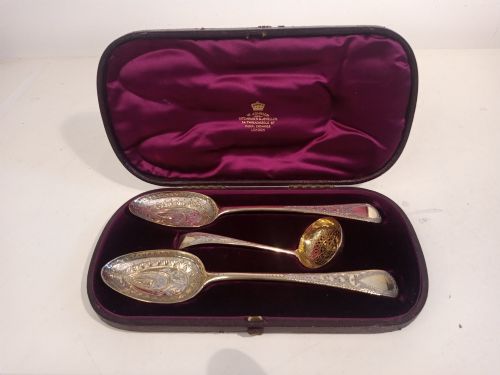
- Sterling silver that has been coated with a thin layer of gold on its surface, often called vermeil. This technique adds a warm yellow tone and protects the underlying metal from food acids.
- Berry spoon
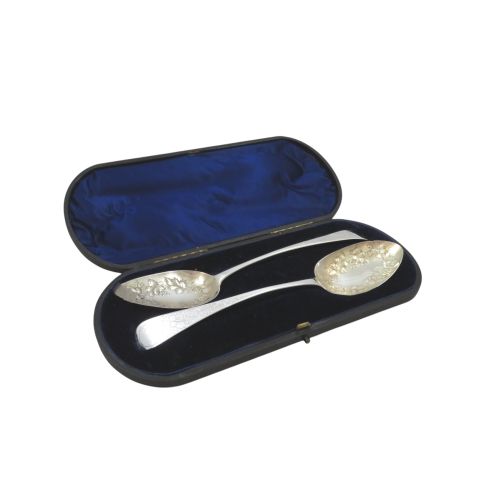
- A large serving spoon with fruit motifs chased or engraved into the bowl, popular during the Georgian and Victorian periods. These pieces were often retrofitted into presentation boxes later in their lifecycle.
- Apostle spoon
- A spoon featuring the figure of an apostle or saint cast onto the terminal of the handle, historically produced in sets. Complete cased sets of these decorative spoons remain highly collectible.
- Cruet set
- A matched group of small containers and spoons designed for holding condiments such as salt, pepper, mustard, and vinegar at the table. These sets sit within dedicated fitted compartments inside a protective box.
Antique Silver Spoon Case: Frequently Asked Questions
What are antique silver spoon cases made of?
These protective boxes feature wooden frames covered in durable leather, textured leatherette, or paper boards designed to withstand handling.
Inside, the fitted compartments use soft linings of silk, velvet, or satin to cushion the sterling silver utensils and prevent scratching.
How do I care for cased silver spoons?
Keep the fitted box in a dry environment away from direct sunlight to preserve the delicate interior fabrics and outer leather coverings.
Clean the silver infrequently using a specialist cloth, avoiding harsh dips that might strip original gilt highlights or patination from engraved handles.
What is the difference between serving spoons and teaspoons in cases?
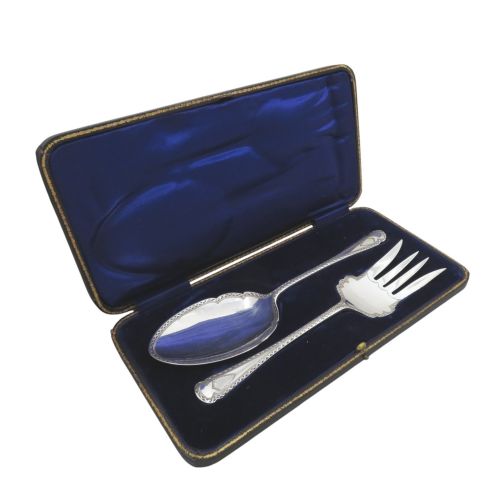
Serving spoons are larger, heavier implements designed for transferring portions of berries, sauces, or fish from communal dishes to individual plates.
Teaspoons and coffee spoons are smaller utensils made for individual use at the table, frequently found in sets of six alongside matching sugar tongs.