
Silver Cutlery in Case
Silver cutlery in case brings together fitted presentation boxes and functional utensils designed for specific dining and serving traditions.
Silver Cutlery in Case
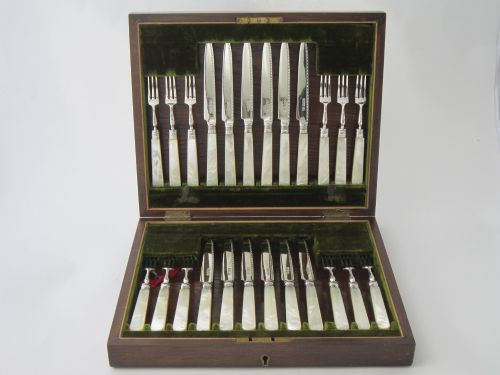
When searching for silver cutlery in case, a buyer examines matched dining implements, serving pieces, and specialised utensils housed in dedicated fitted boxes. These collections span everyday household flatware canteens and single-purpose presentation sets intended for specific foods.
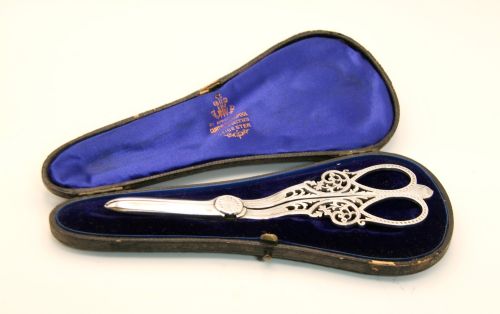
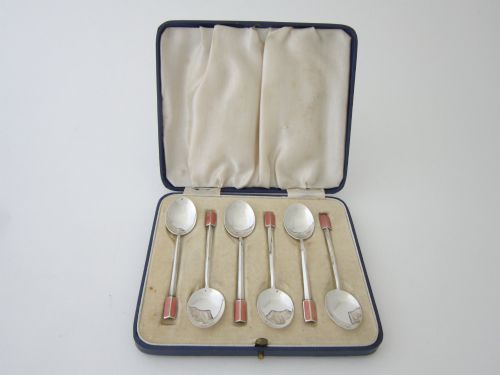
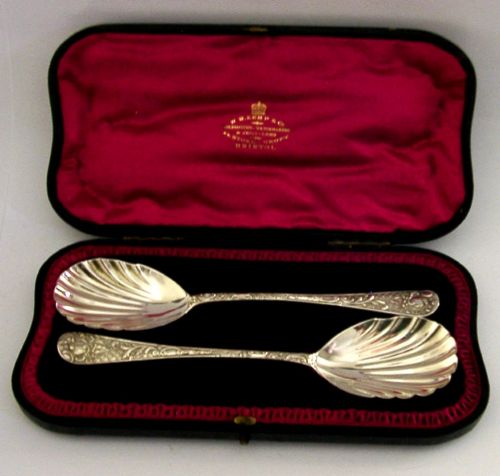
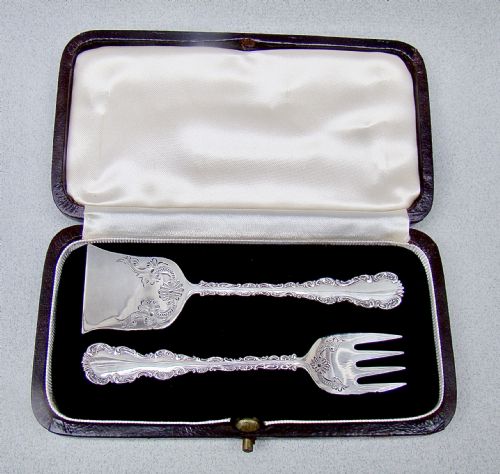
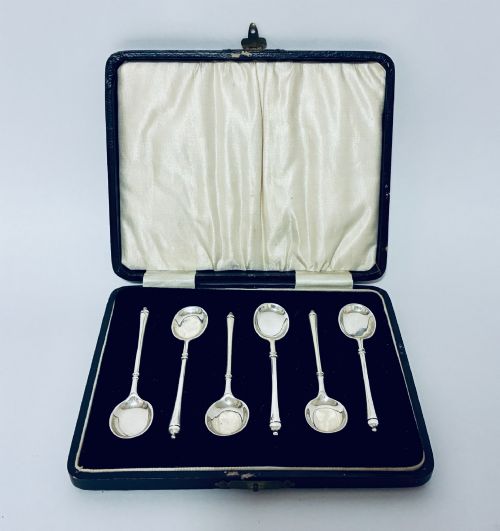
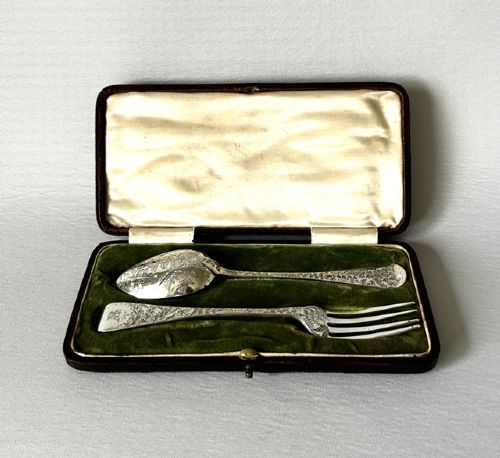
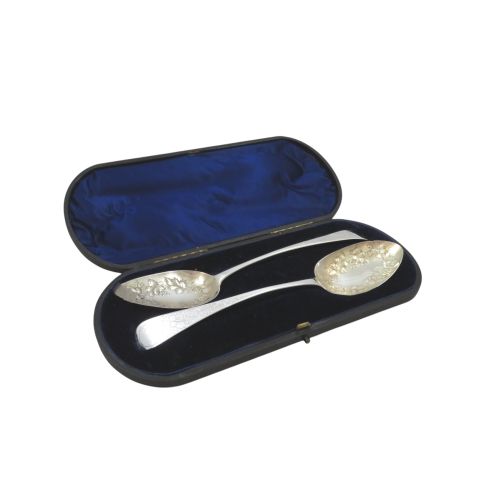
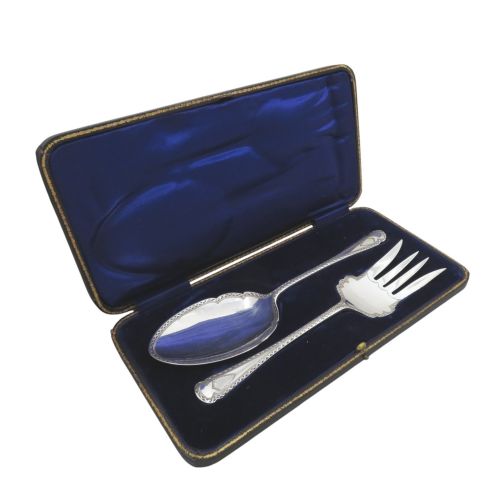
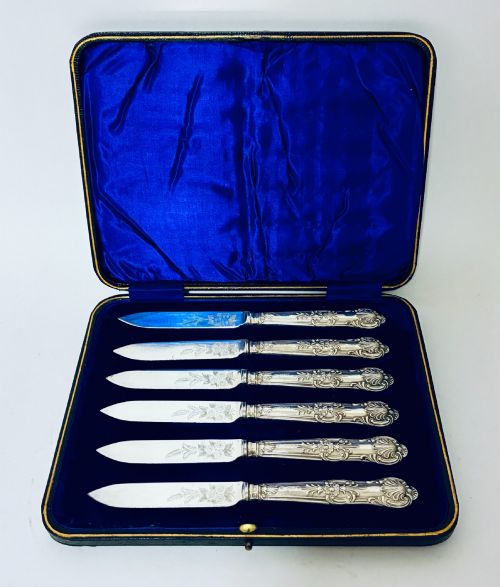
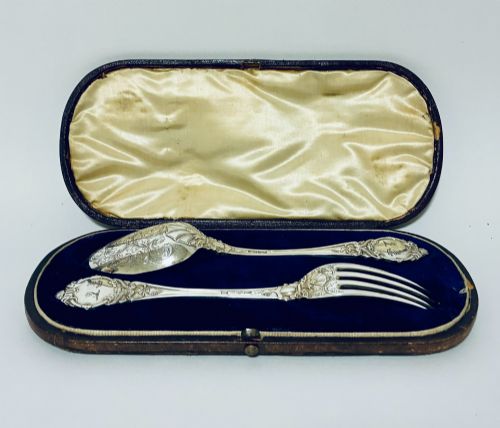
The most common versions encountered on this page include Victorian and Edwardian cased sets for fish, dessert, or fruit, alongside smaller presentation boxes containing christening gifts, butter knives, or berry spoons.
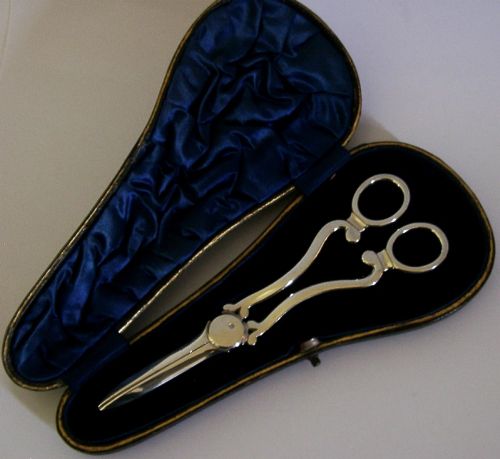
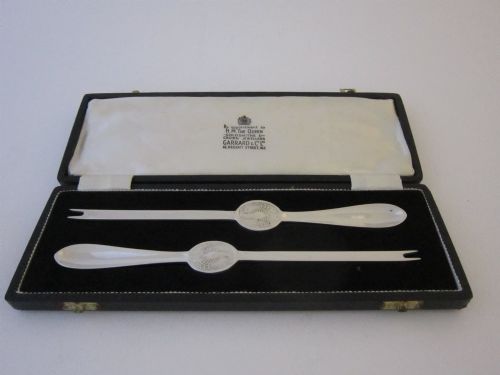
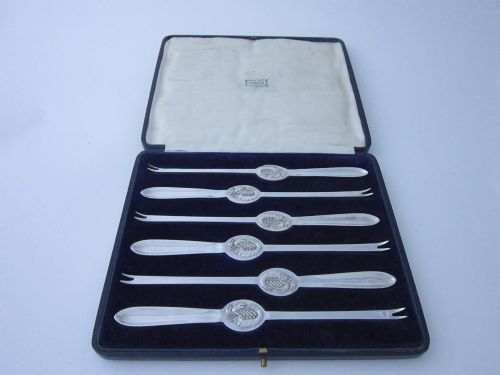
Objects range from complete multi-setting dining canteens down to specialised pairs of grape shears, lobster picks, and sardine servers preserved in their original fitted housings.
Materials and construction
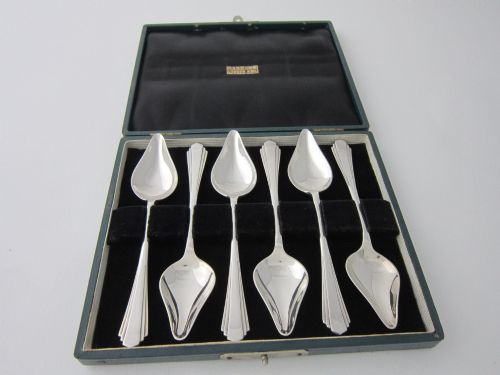
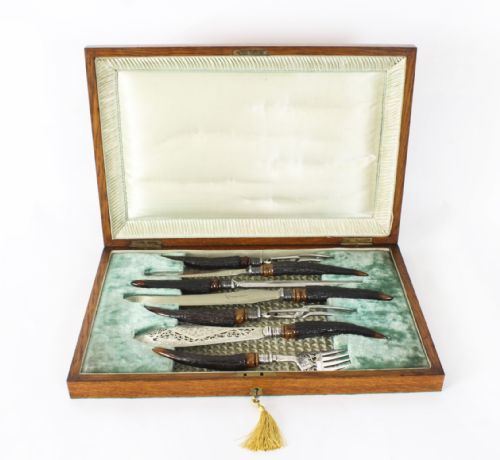
Protective storage cases utilise timber carcases lined with fitted interiors of velvet, silk, satin, or leatherette to cushion the metalwork and organic handles against damage.
Specialised Victorian dining habits produced dedicated single-purpose utensils, resulting in fitted cases designed solely for holding citrus fruit or seafood.
Evaluating manufacturing quality
The upper tier of the range is distinguished by substantial gauge metalwork, crisp chasing or engraving on the blades, and robust mechanisms in dedicated presentation boxes.
Construction details differentiate standard production items from masterwork creations, particularly in the precision of the velvet or silk lining and the secure fit of individual utensils within the case.
Henry Wilkinson·Garrard·Christofle·Suckling Ltd·William Devenport·Carrington·John Locker·Souche-Lapparra
The Silver Cutlery in Case Glossary
- Sterling silver
- A silver alloy containing 92.5 percent pure silver and 7.5 percent other metals, usually copper, ensuring structural durability for utensils.
- Silver plate
- A layer of silver fused or electroplated onto a base metal core such as nickel silver or copper, offering the appearance of solid silver at a different scale of manufacture.
- Canteen
- A fitted wooden box, chest, or cabinet designed specifically to house a complete, organised service of flatware and cutlery.
- Berry spoon
- A large serving spoon with an oversized bowl, often richly chased or embossed with fruit motifs during the Victorian period.
- Flatware
- Table utensils used for eating, such as knives, forks, and spoons, as distinct from serving implements.
Silver Cutlery in Case: Frequently Asked Questions
What types of utensils are found in these cases?
Sets range from comprehensive dining canteens for multiple guests down to specialised service items. Buyers frequently encounter fruit knives, fish servers, berry spoons, and lobster picks.
Smaller fitted boxes often contain christening sets, coffee spoons, or butter knives paired with matching sugar tongs.
How are the storage cases constructed?
Protective boxes are built with rigid frames, often utilising timber or durable synthetic exteriors. Interiors are custom-molded and lined with soft textiles like velvet, silk, or satin.
Individual slots and retaining straps secure each piece of cutlery to prevent shifting and scratching during storage and transit.
How do I distinguish between solid silver and silver plate?
Solid sterling silver items carry hallmarks stamped directly into the metal, indicating the assay office, standard, and date of manufacture. Silver plated items utilise alternative manufacturer marks or electroplate designations.
Weight and the presence of base metal showing through worn areas also provide clues to the underlying construction of the utensil.
How should cased cutlery be maintained?
Utensils require periodic gentle cleaning with dedicated silver polish to remove tarnish without harming engraved details or organic handles. Mother-of-pearl and horn elements must be kept away from excessive moisture and harsh chemicals.
Storing pieces within their original lined cases protects the metal from airborne sulfur compounds that accelerate tarnishing.