


Georgian Solid Silver Tableware
Georgian solid silver tableware brings functional elegance to the dining table through enduring 18th-century forms.
Georgian Solid Silver Tableware
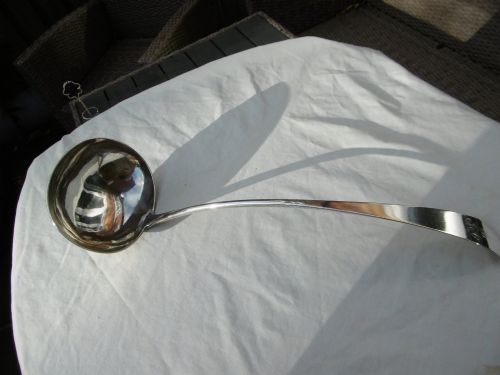
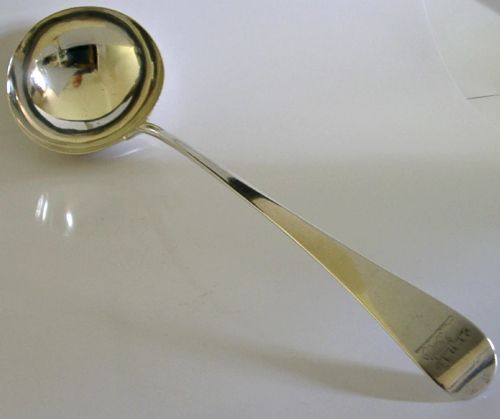
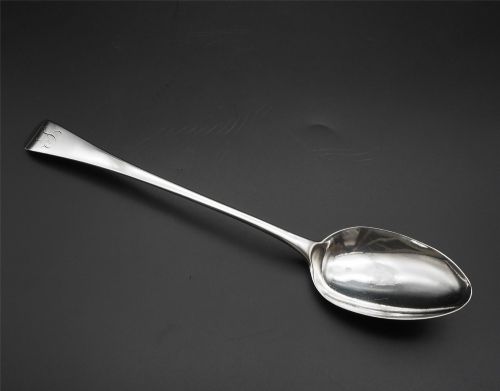
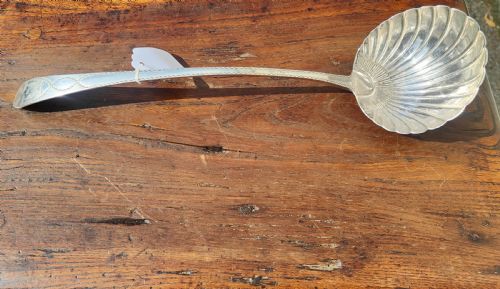
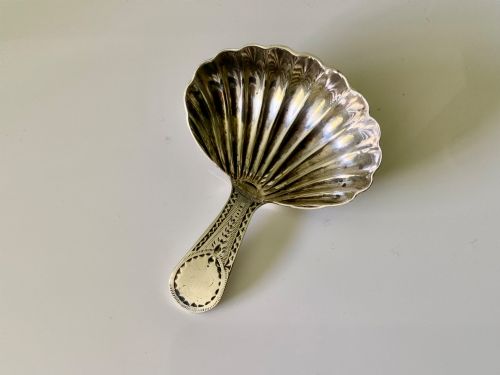
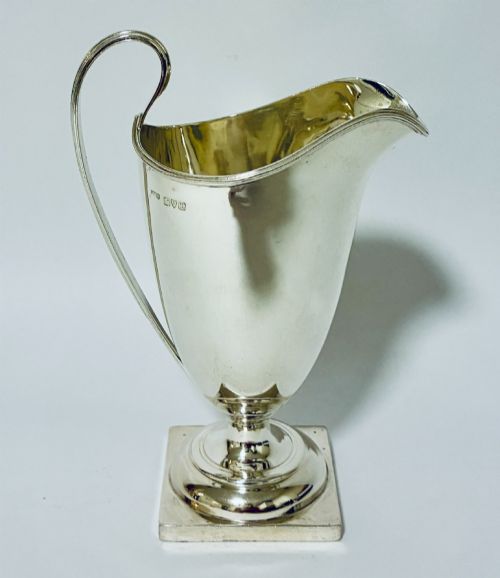
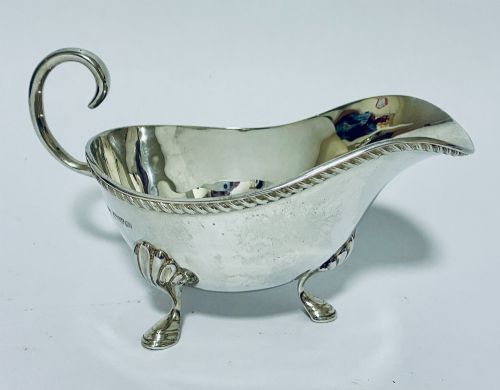
Georgian solid silver tableware comprises utilitarian and decorative dining items produced during the 18th and early 19th centuries, alongside later revivals. Buyers encounter everything from large basting spoons and sauce boats to delicate caddy spoons, cream jugs, and mustard pots.
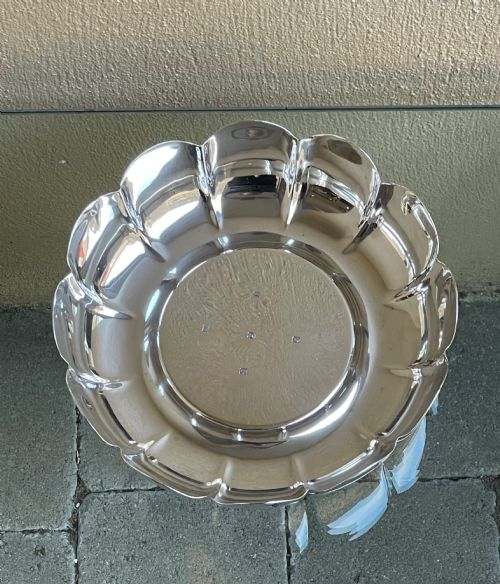
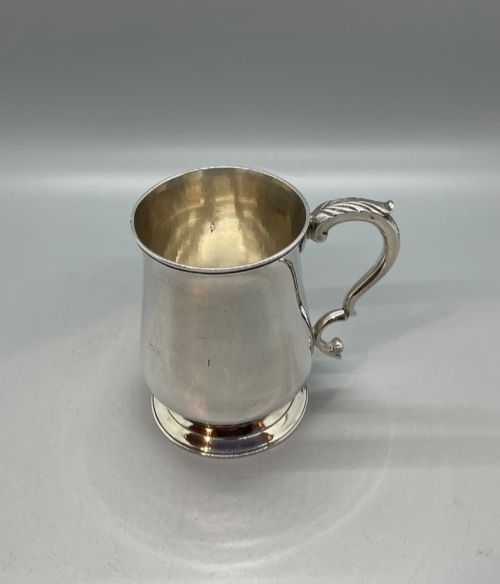
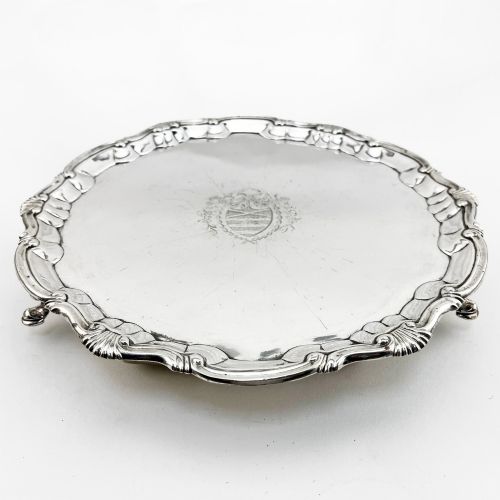
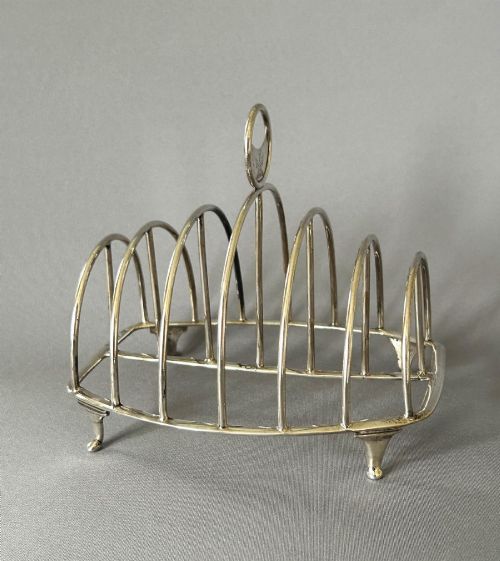
Objects span formal dining accessories like salvers and toast racks to personal items such as christening mugs and marrow scoops. These items demonstrate the craftsmanship of British silversmiths working across the Georgian era and subsequent periods.
How they were made
Silversmiths utilised sterling silver and solid silver, occasionally incorporating gold gilt or gold wash highlights on interiors such as cream jugs and sugar bowls. Construction involved raising flat sheet metal into hollowware forms or casting molten silver for sturdy items like sauce boats and castors.
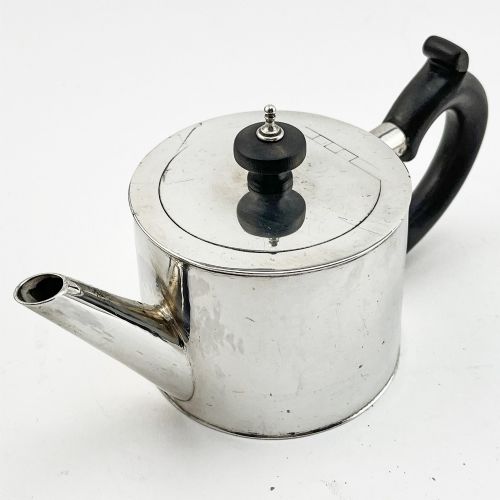
Handles and fittings sometimes integrated contrasting natural materials, including ebony for teapot insulators. Detail work relied on hand engraving, chasing, and embossing to create crests, floral motifs, and textured surfaces.
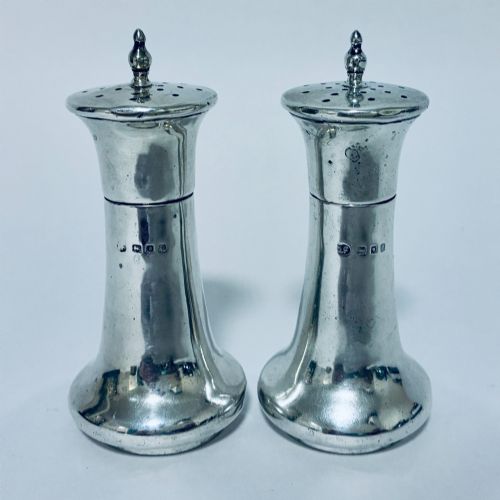
Items were struck with hallmarks to guarantee metal purity and identify the assay office and maker. This regulatory stamping provides the foundation for dating individual pieces accurately.
Object forms range from practical meat skewers and knife rests to decorative strawberry dishes and marrow scoops.
What varies in quality
Quality rests upon the crispness of the original chasing and engraving, where sharp lines and defined crests distinguish superior work from worn or overly polished examples. Weight and gauge of the silver also dictate substance, with heavier basting spoons and salvers offering a more substantial feel in the hand.
The reputation of the maker plays a decisive role, as documented pieces by prominent workshops command greater regard for their refined proportions and balanced design. Surviving original elements, such as matched sets or untouched cast components, elevate the standing of items like egg cruets and berry spoons.
Hester Bateman·William Plummer·William Burwash·Matthew Boulton
The Georgian Solid Silver Tableware Glossary
- Hallmark
- Official stamps struck into precious metals to indicate purity, origin, and maker. These marks allow collectors to trace the exact year and city of manufacture.
- Hollowware
- Tableware items such as pots, jugs, boats, and casters that possess volume and internal capacity. This category contrasts with flatware like spoons and skewers.
- Castor
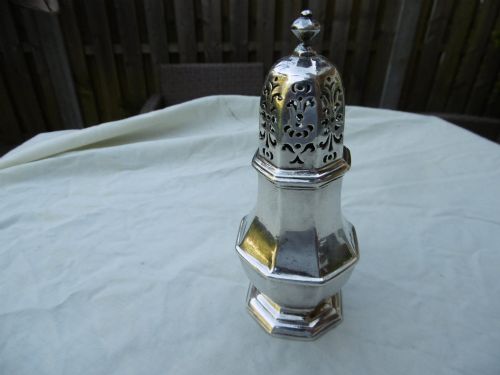
- A small container with a pierced lid used for sprinkling sugar or spices over food. Early examples often feature distinct octagonal or cylindrical bodies.
- Marrow scoop
- A narrow, elongated utensil designed for extracting marrow from bone during formal dining. These double-ended tools are a distinct hallmark of Georgian dining habits.
- Berry spoon
- A spoon, often dating from the George III period, later retrofitted with fruit and leaf embossing. The bowl typically displays elaborate chasing added after the initial manufacture.
Georgian Solid Silver Tableware: Frequently Asked Questions
How do I clean Georgian silver?
Clean solid silver gently using a soft cloth and a specialised silver polish designed to preserve antique surfaces. Avoid harsh chemical dips that strip away the subtle patination built up over centuries.
Store pieces in tarnish-resistant environments and handle them regularly to maintain a natural, soft lustre without wearing down engraved crests or hallmarks.
Were these items used daily?
Georgian households utilised these silver pieces primarily for formal dining, tea service, and food preparation rather than casual everyday meals. Tableware such as sauce boats, basting spoons, and mustard pots formed part of an elaborate tablescape for wealthy diners.
Over time, many pieces transitioned from active service into display items, yet solid silver remains robust enough for modern celebratory dining.
How do I identify a George III piece?
Identify a George III item by locating the monarch's duty mark stamped alongside the standard assay office symbols and maker's initials. The style during this reign often leans towards Neoclassical symmetry, featuring bright-cut engraving and elegant, restrained outlines.
Comparing the recorded hallmarks against official registers confirms the exact decade of production between seventeen sixty-five and eighteen twenty.
Can I use antique silver for dining?
Using solid silver tableware for contemporary dining is entirely practical, provided items are washed by hand immediately after use. Silver possesses natural antibacterial properties and handles warm foods safely.
Care should be taken with hollowware interiors that feature gold wash or delicate handles containing organic insulators like ebony.