






17th Century Silver Spoon
These 17th century silver spoon examples bring tangible Stuart history to the table, offering a direct link to early domestic silver.
17th Century Silver Spoon
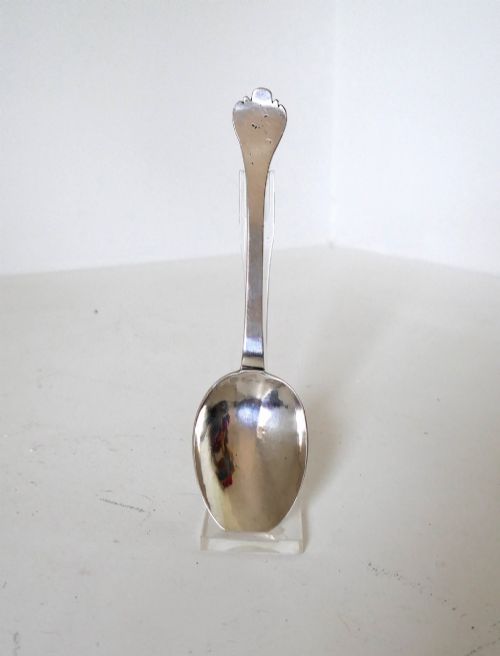
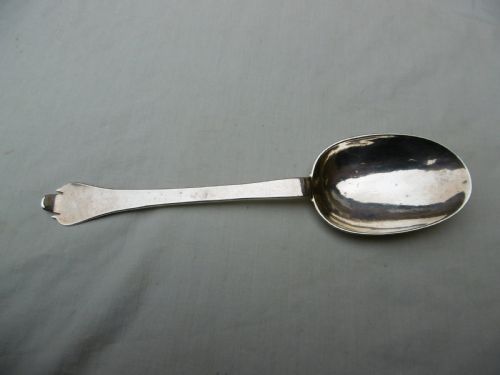
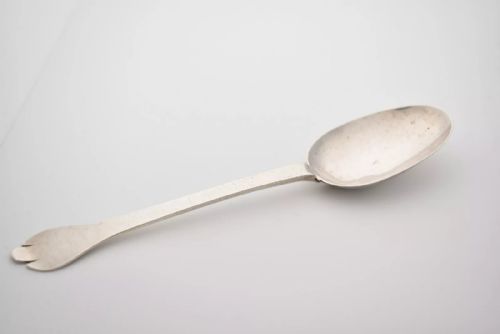
When searching for a 17th century silver spoon, buyers encounter early forms of flatware that span reigns from James I through to William and Mary. The selection includes distinct regional pieces, such as a Southampton trefid spoon, alongside London-hallmarked examples from makers working during the Commonwealth and Restoration periods.
The most common forms meeting a buyer on this page are trefid and trifid spoons, alongside seal top spoons and slip top spoons. These items belong to broader categories of antique silverware and flatware, with occasional later 20th-century revivals styled after the era appearing in the record.
What varies in quality
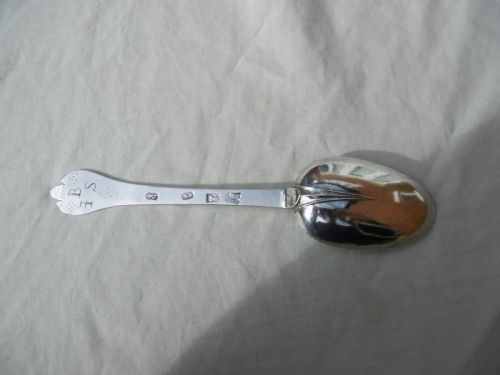
The distinction between tiers of pieces rests on the clarity of the hallmarks and the preservation of the original bowl and stem shape. Clear maker marks and legible date letters elevate a piece, providing verifiable evidence of its seventeenth-century origin.
Quality also depends on the survival of the original weight and the crispness of cast details on terminals like apostles or seals. Minimal wear to the thin edges of trefid terminals marks a better preserved example.
17th Century Silver Spoon Retail Price Guide 2026
Typical asking prices for 17th century silver spoon among the pieces listed under this phrase on Sellingantiques today, from the lower quarter to the upper quarter. They describe what is for sale here now, not the wider market.
One remarkably travelled trefid spoon was made in Southampton by Peter Webb, keeping early provincial silversmithing alive far from London.
Jerimiah Johnson·William Penstone·Isaac Davenport·Benjamin Prosser·Thomas Issoa·Stephen Coleman·Daniel Cary·John King·Peter Webb
The 17th Century Silver Spoon Glossary
- Trefid spoon
- A dining spoon with a broad, notched terminal and a flat stem that appeared in England during the reign of Charles II. The terminal splits into three lobes, giving the style its name.
- Seal top spoon
- An early spoon style featuring a cast ornamental finial shaped like a flat-topped Elizabethan seal. These were popular in the sixteenth and seventeenth centuries before being superseded.
- Slip top spoon
- A spoon with a straight hexagonal or round stem cut off obliquely at the top. This minimalist form was common in the Tudor and early Stuart periods.
- Britannia standard silver
- A compulsory higher grade of silver introduced in England in 1696 to discourage the melting of coinage. It contains ninety-five point eight percent pure silver.
- Hallmark
- An official stamp applied to precious metal items to guarantee their purity and origin. On these items, they identify the maker, the year, and the assay office.
17th Century Silver Spoon: Frequently Asked Questions
How do I date a 17th century silver spoon?
Dating relies heavily on the hallmarks struck into the metal, which record the assay office and date letter for the year of production. Stylistic shifts, such as the transition from slip top to trefid terminals, also help narrow down the decade.
Makers' marks provide further context when matched against historical silversmith records from London or regional guilds. Comparing bowl shapes and stem lengths against known dated examples confirms the era.
Are these spoons made of sterling silver?
Many of these pieces are fashioned from standard sterling silver, while others from the late seventeenth century utilise Britannia standard silver. Britannia silver contains a higher proportion of pure silver by weight, instituted by law in 1696.
Each piece reflects the prevailing metallurgical standards of its specific decade of production. Hallmarks stamped directly onto the silver verify the exact standard used.
How were seal top spoons used?
Seal top spoons served as high-status dining implements and often formed part of complete sets given as gifts or wedding presents. The flat top of the seal could theoretically be used as a signet, though most served purely decorative and functional dining roles.
Owners displayed them on tables or stored them securely as valuable household possessions. Their presence in probate inventories indicates they belonged to affluent households.
What does a maker's mark tell us?
A maker's mark consists of stamped initials or symbols that identify the individual silversmith or workshop responsible for crafting the piece. These stamps help historians attribute specific items to known artisans working in London or regional centres like Southampton.
When combined with date letters and town marks, the maker's mark completes the provenance of the spoon. Finding a clear mark by recorded makers confirms the authenticity of the piece.