




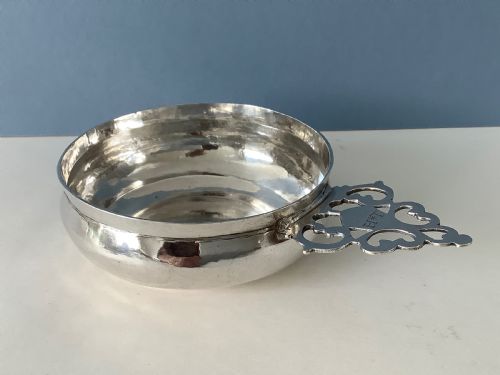

Britannia Standard Silver
These pieces of britannia standard silver combine higher purity metal with early forms, offering collectors a direct link to the rigorous assays of the turn of the eighteenth century.
What these pieces are
When you search for britannia standard silver, you are looking at domestic silverwares struck at the higher fineness of ninety-five point eight percent, enforced by statute from seventeen hundred until nineteen twenty.
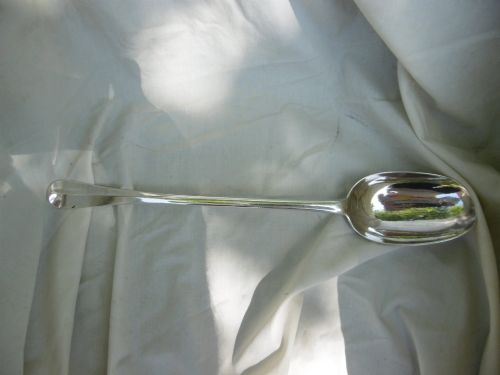
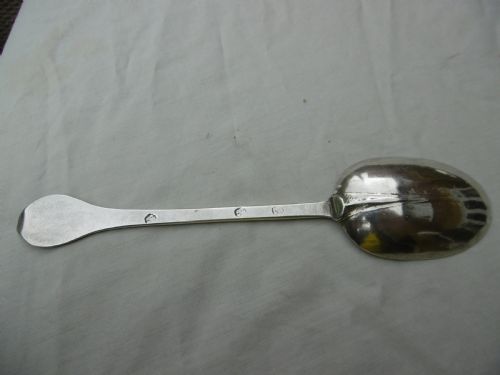
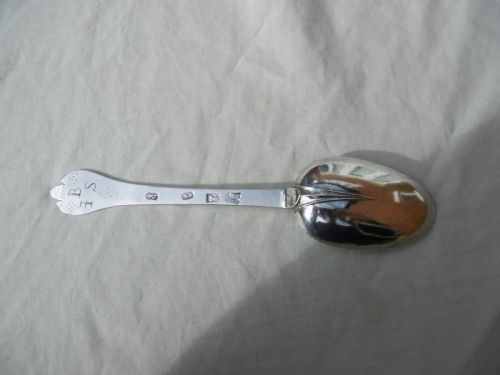
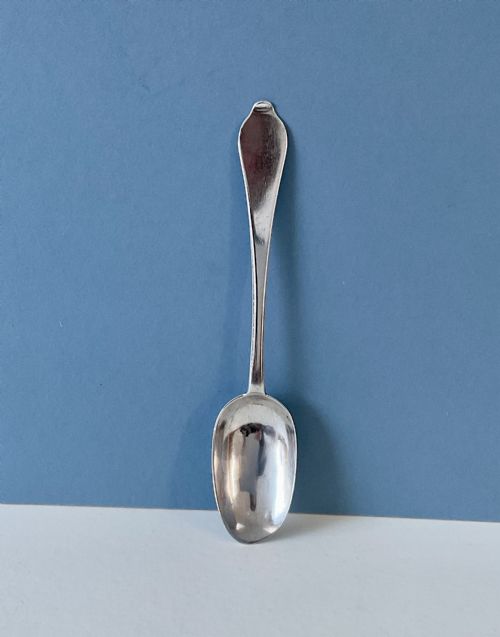
The objects on this page range from early serving spoons and trefid spoons to mugs, tankards, tapersticks, salts, porringers and cream jugs, reflecting both original early eighteenth century production and later revivals.
You are most likely to meet Georgian forms and later Victorian or Edwardian pieces cast or hammered in this purer metal, which carries a distinct, softer lustre compared to standard sterling silver.
How they were made
These items are shaped from britannia standard silver, a purer alloy containing ninety-five point eight percent silver and four point two percent copper, designed to deter the melting of coinage.
Silversmiths employed techniques such as hand-raising, casting, and seaming to create forms like octagonal trencher salts, candlesticks, and mugs, finishing them with crisp hallmarks including the figure of Britannia and the lion's head erased.
What varies in quality
Quality in these pieces rests upon the clarity and completeness of the hallmarks, which verify the maker and the exact year of production on the softer metal.
The integrity of the original form, whether a cast taperstick or a raised porringer, alongside the retention of original surface texture rather than over-polishing, separates superior examples from lesser ones.
William Penstone·David Green·Thomas Farnett·Tessier·Maurice Freeman·James Rood
The Britannia Standard Silver Glossary
- Britannia standard
- A compulsory higher grade of silver fineness introduced in England in seventeen hundred to prevent the melting of circulating silver coins.
- Trefid
- An early form of spoon characterised by a trifid or three-lobed terminal and a flat stem, typical of the late seventeenth and early eighteenth centuries.
- Porringer
- A two-handled bowl used for porage or broth, frequently produced in silver during the seventeenth and eighteenth centuries.
- Taperstick
- A small candlestick designed to hold a wax taper used for melting sealing wax or lighting pipes and candles.
- Trencher salt
- A small, often octagonal salt cellar placed directly on the dining table beside the guest's trencher.
Frequently Asked Questions
What is britannia standard silver?
Britannia standard silver is a higher purity alloy consisting of ninety-five point eight percent pure silver and four point two percent copper. It was introduced by parliamentary act in England in seventeen hundred.
The higher silver content made the metal softer than standard sterling silver, which led lawmakers to revert to the sterling standard for general plate in nineteen twenty, though britannia silver remained optional.
Why do these items have different dates?
While the higher standard was mandatory between seventeen hundred and nineteen twenty, silversmiths and revivalist makers continued to utilise the purity standard well into the twentieth century for commemorative or decorative pieces.
You will find genuine pieces from the reign of William III and George I alongside later Edwardian and modern interpretations that intentionally emulate those early forms.
How do I identify britannia standard hallmarks?
Instead of the traditional lion passant and leopard's head found on sterling silver, britannia standard pieces display the figure of a seated woman known as Britannia and the head of a lion erased.
These specific assay marks are accompanied by date letters and maker's marks, allowing you to trace the exact year the item was tested and certified.
How should I care for silver of this standard?
Because britannia metal contains a higher percentage of pure silver, it is slightly softer than sterling silver and more susceptible to surface wear from aggressive cleaning.
Wash the piece gently in warm soapy water with a soft cloth and avoid abrasive polishes that can wear down early hallmarks and hand-raised details over time.
Were these objects used daily?
Many of these items, such as spoons, mugs, tankards, and porringers, served very practical functions in wealthy seventeenth and eighteenth century households for dining and drinking.
Smaller objects like tapersticks and trencher salts were essential tabletop accessories used during formal meals and correspondence before the widespread availability of matches and electricity.