


George I Mug
When you search for a george i mug, you are looking at early drinking vessels spanning silver and pewter forms.
George I Mug
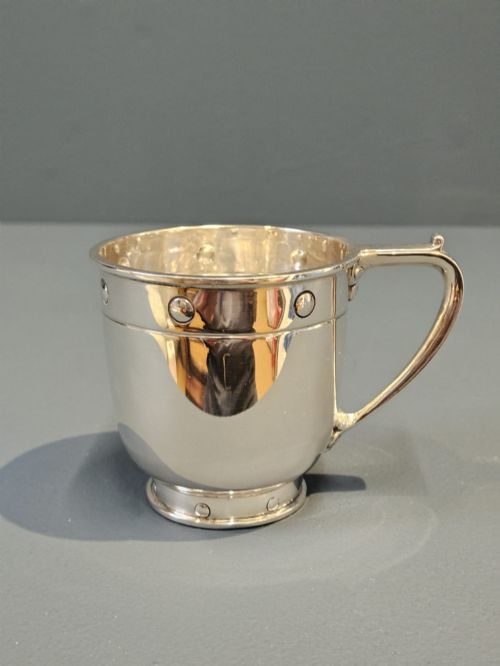
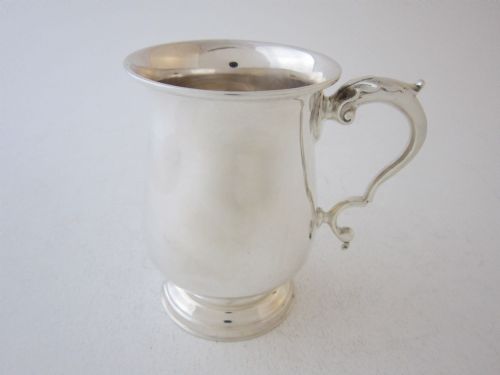
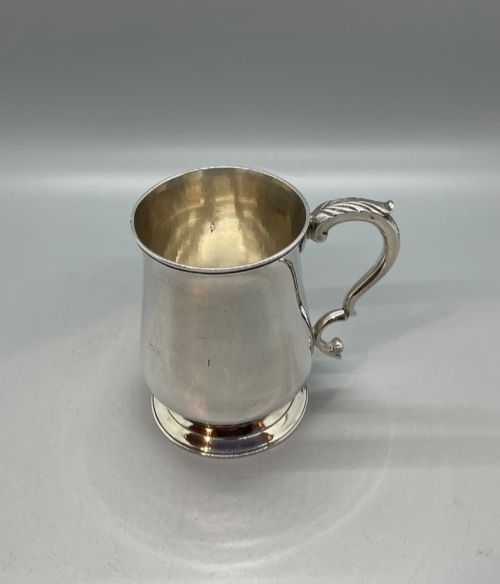
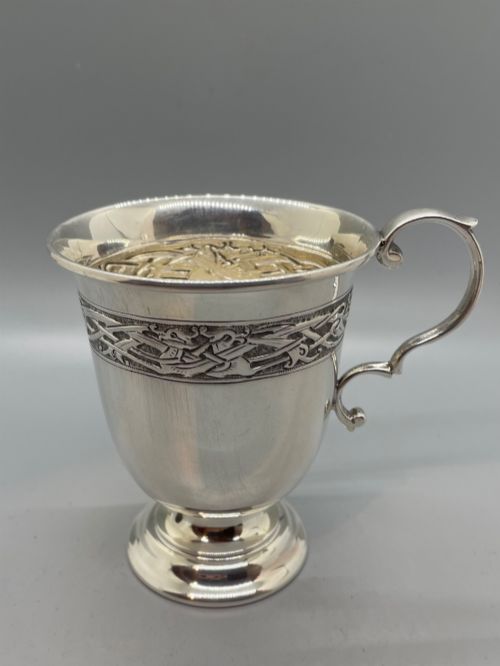
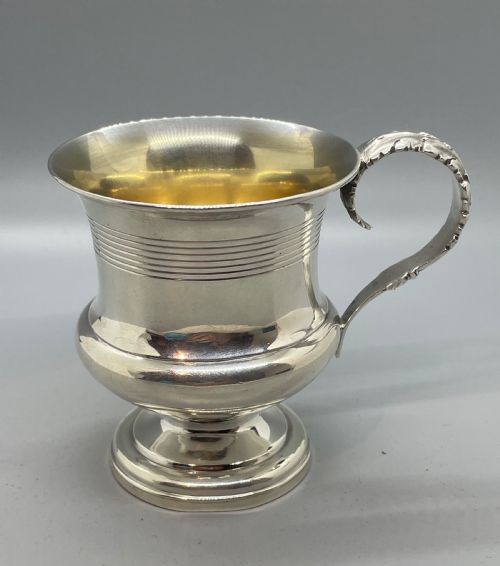
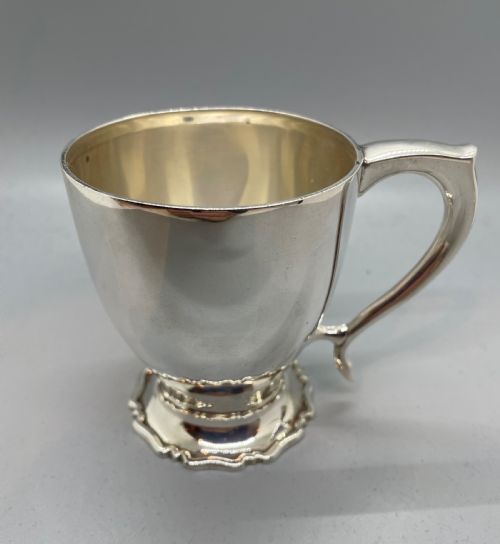
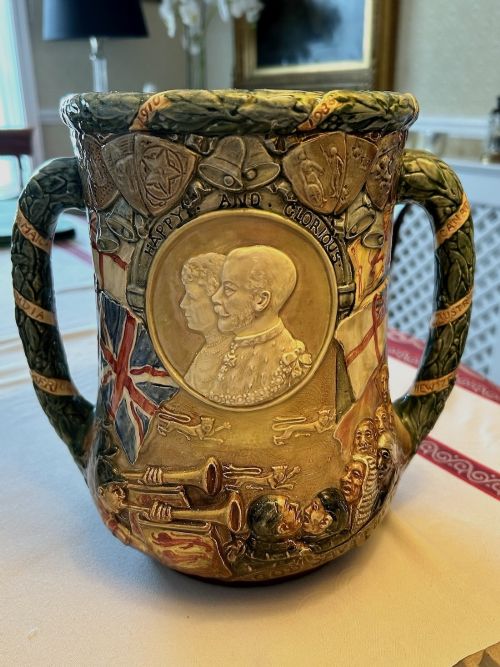
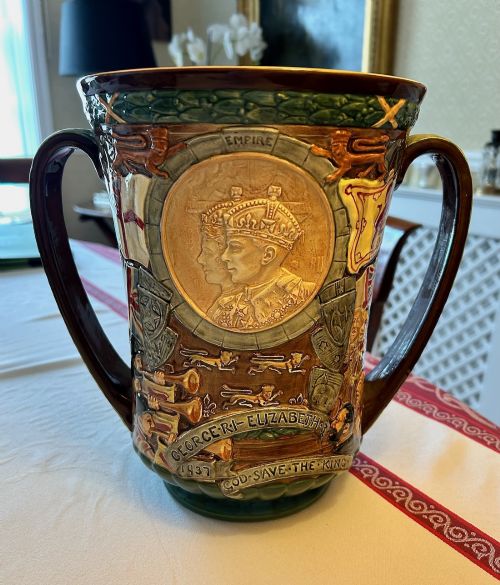
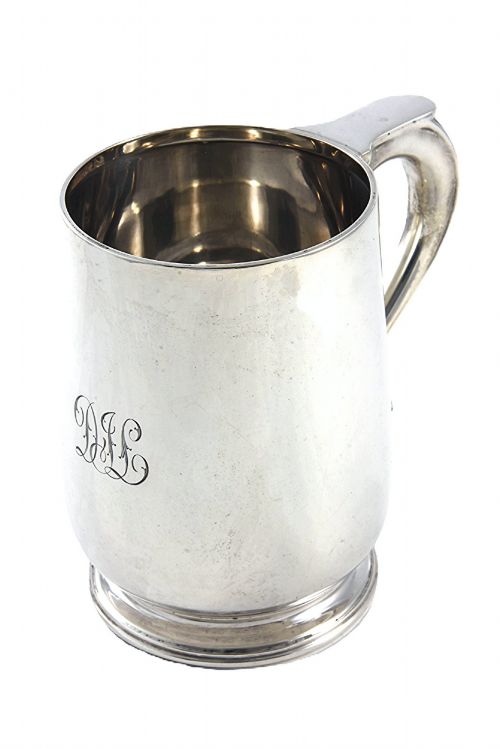
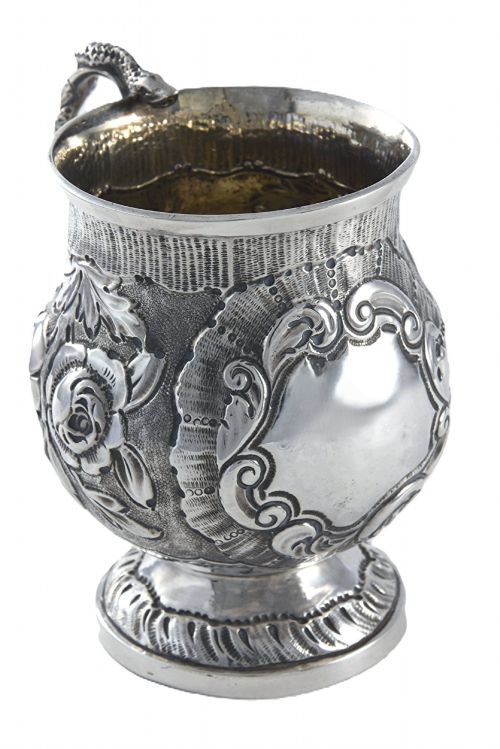
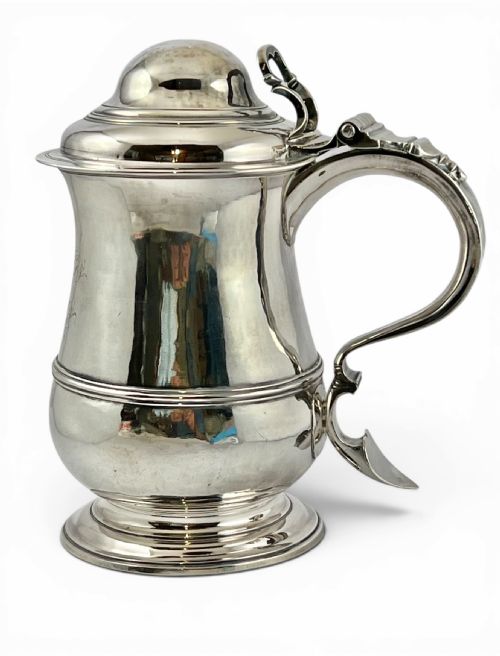
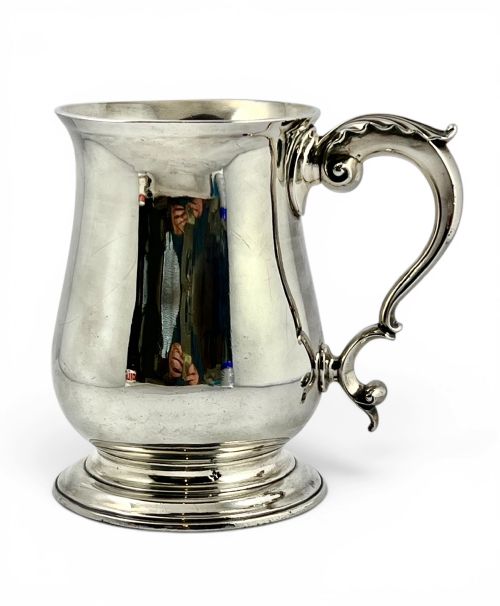
A george i mug search returns drinking vessels produced across various centuries and reigns, including George II, George III, George IV, and George V periods. The items span christening cups, pint tankards, lidded flagons, and commemorative ceramics. Most examples found on this page consist of sterling silver or pewter tankards and mugs.
The objects serve as domestic drinkware, personal christening gifts, and commemorative pieces issued for royal jubilees and coronations. Forms vary from simple cylindrical pint mugs to bulbous baluster shapes and heavy flat-lid flagons. These drinking vessels bridge functional daily use and celebratory display across Georgian, Regency, and twentieth-century eras.
Materials and construction
Silversmiths constructed these drinking vessels primarily in sterling silver and Britannia standard silver, shaping bodies through hammering and raising techniques. Handles were cast separately and soldered to the main body, while some early flagons utilised pewter with flat lids. Ceramic examples incorporate glazed earthenware, earthenware with gold gilt, and cut glass mounted in silver.
Surface decoration relies on manual engraving, repoussé work, and quilted designs rather than moulded ornamentation. Makers stamped their pieces with hallmarks indicating town, assay office, and date letter. Pewter flagons often show maker marks associated with specific regional markets.
Listings on this page span sterling silver, pewter, and glazed earthenware across Georgian and twentieth-century periods.
Evaluating the standard
Quality rests on the weight of the metal, the crispness of the hallmark stamps, and the balance of the cast handle against the vessel body. Thicker gauge silver maintains structural integrity and resists denting during daily handling. Engraved decoration shows depth and precision rather than shallow surface scratching.
Proportion defines the better examples, where the height of the cylinder or baluster curve harmonises with the scroll handle. Retained original presentation cases and legible maker marks add substantive context to individual pieces.
Barker Bros·John Payne·William Grundy·William Bateman·George Ernest Hawkins
The George I Mug Glossary
- Britannia standard
- A higher purity standard of silver introduced by statute in England, containing more fine silver than sterling.
- Baluster
- A vertical architectural form featuring a swelling curve tapering towards the top, commonly seen on eighteenth-century mug bodies.
- Flagon
- A large drinking vessel with a handle and lid, primarily utilised for holding ale or wine before individual mugs became common.
- Tyg
- A large drinking cup featuring multiple handles, allowing several people to share the vessel at communal gatherings.
- Hallmark
- A series of stamped official marks applied to precious metals indicating the maker, assay office, purity, and year of testing.
George I Mug: Frequently Asked Questions
What is a christening mug?
A christening mug is a small silver or ceramic cup traditionally given as a gift to mark a child's baptism. These vessels often feature engraved names, dates, or decorative motifs such as animals.
Over time, these pieces transitioned from functional drinking vessels into decorative keepsakes and family heirlooms kept in presentation cases.
How do I date a silver mug?
You can date a British silver mug by locating the set of stamped hallmarks on the base or rim. These marks include a specific letter code that corresponds to the year the piece was tested at the assay office.
Additional hallmarks identify the town of assay and the individual maker, providing a precise record of origin.
What is the difference between a mug and a tankard?
A tankard traditionally refers to a larger drinking vessel that includes a hinged lid and a sturdy handle, often holding a pint or more. A mug generally lacks a lid and serves as an open container for daily drinking.
Many historical listings use both terms interchangeably for vessels that share similar cylindrical or tapered forms.
How should I display or store silver mugs?
Silver mugs benefit from stable indoor environments away from direct sunlight and damp conditions to prevent tarnishing. Regular handling with clean hands helps maintain the natural lustre of the metal without harsh abrasive cleaning.
Storing pieces in lined wooden cases or specialised flannel rolls protects the surface from accidental scratches.