
English Silver
English antique silver carries the weight of centuries, offering functional objects and decorative pieces forged from solid metal and silver plate.
Materials and Techniques
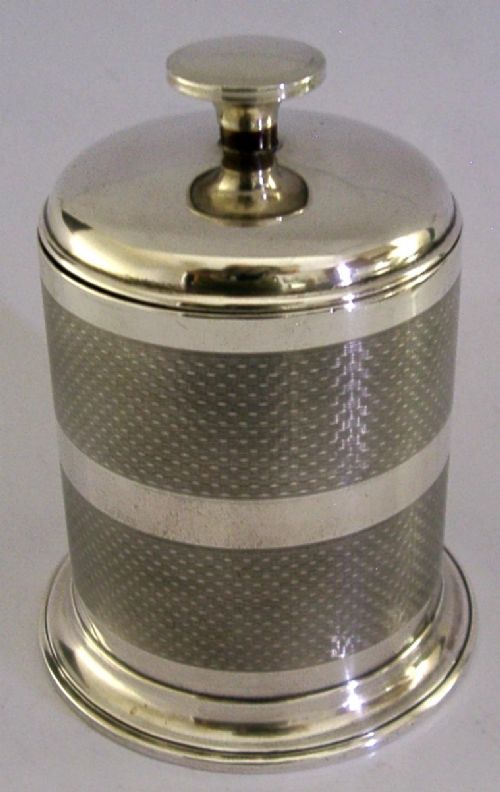
Makers utilised solid sterling silver, Britannia standard silver, and silver plate over base metals, often combining metalwork with organic materials like oak. Solid cast silver figures and heavy bowls demonstrate techniques of casting and raising, while lighter items employ sheet metal manipulation and stamping. Enamel work and applied agate provide colour and texture on compact boxes and page markers.
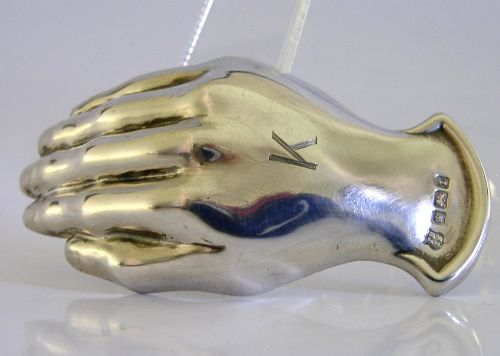
Surface decoration ranges from brightcut engraving and floral embossing to planished hammer marks characteristic of the arts and crafts movement. Silver gilt applications add layers of gold over the silver surface on items such as salad servers and wall mirrors. Hallmarks and maker marks stamped directly into the metal record the assay office, year of production, and standard of purity.
Evaluating Quality
Quality in these items rests on the crispness of the original chasing, engraving, and embossing, alongside the structural integrity of joints and hinges. Pieces with deep, clear hallmarks retain their historical documentary value better than those with worn stamps. The weight and gauge of the metal dictate the durability and substantial feel of items ranging from miniature pill boxes to large serving trays.
The skill of the maker shows in the balance of cast figures, the smooth operation of snuff box lids and corkscrews, and the careful setting of enamel or gemstones. Silver plate quality depends on the thickness of the applied silver layer over the underlying metal core, whereas solid sterling pieces rely on the purity of the alloy used by the silversmith.
Listings feature items spanning the eighteenth, nineteenth, and twentieth centuries, utilising both solid silver and silver plate.
Benjamin Watts
The English Silver Glossary
- Sterling silver
- A silver alloy containing 92.5 percent pure silver by weight, with the remainder usually copper. This standard has served as the backbone of English plate for centuries.
- Britannia standard
- A higher purity standard of silver containing 95.84 percent pure silver, legally required in England between 1697 and 1720. It appears on pieces from the Queen Anne period.
- Hallmark
- A series of official marks stamped on items to guarantee the purity of the metal, the maker, and the year of assay. English marks typically include a leopard's head or lion passant.
- Silver plate
- A manufacturing method where a thin layer of silver is bonded to a base metal core such as copper or Britannia metal. This technique allowed for larger domestic objects like gallery trays.
- Brightcut engraving
- A surface decoration technique using faceted cuts that reflect light from different angles. It appears frequently on Georgian caddy spoons and flatware.
- Planished
- A surface texture created by repetitive light hammer blows, leaving subtle facets across the metal. This finish became popular during the arts and crafts period.
Frequently Asked Questions
How do I identify the date of English silver?
Examine the stamped hallmarks on the piece, which usually include a specific date letter corresponding to the assay office records of the year of manufacture. Additional marks indicate the reigning monarch or standard.
Comparing the shape, style, and manufacturing technique against known period examples helps confirm the age when hallmarks are rubbed or missing.
What is the difference between sterling and Britannia standard?
Sterling silver contains 92.5 percent pure silver, while Britannia standard contains 95.84 percent pure silver. Britannia metal was mandatory for a brief period in the early eighteenth century.
Pieces made to the higher Britannia standard often feature a figure of Britannia mark instead of the standard lion passant.
How should I clean antique silver pieces?
Use a soft microfiber cloth and a mild, specialised silver cleaner designed to remove tarnish without stripping the underlying metal or rubbing away engraved details. Avoid abrasive pastes or harsh chemical dips.
Store items in tarnish-resistant cloth away from direct sunlight and high humidity to maintain the surface finish over time.
Can I use antique silver for daily dining?
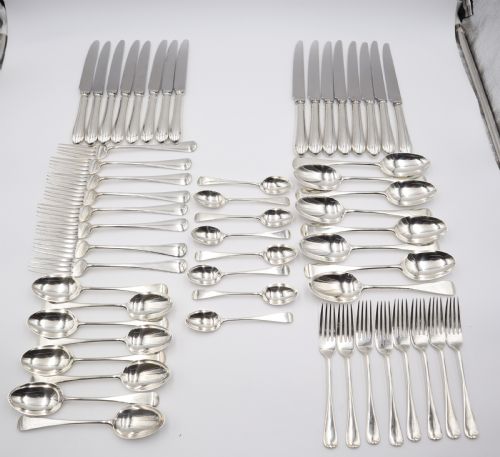
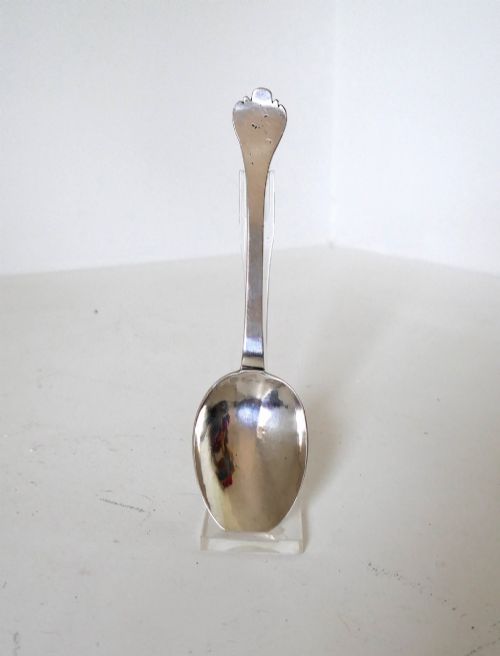
Many solid silver items, such as spoons and serving forks, remain fully functional for modern use provided they are washed by hand promptly after meals. Avoid putting antique silver through automated dishwashers.
Delicate items like hollowware, antique pocket items, or pieces with enamel work are better suited for display and occasional handling.