




William and Mary Silver
William and mary silver brings tactile seventeenth century weight to a collection through heavy sterling silver, bright gilt and sharp engraved coronets.
Identifying William and mary silver
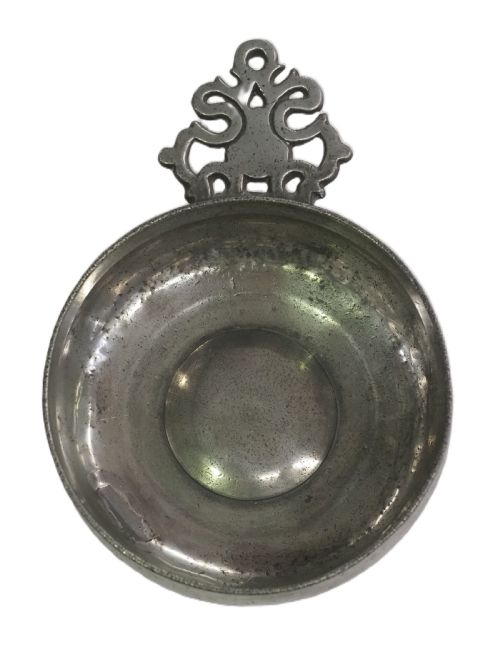
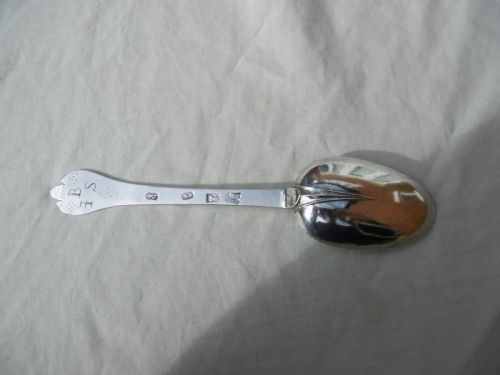
William and mary silver encompasses seventeenth century cutlery, spoons, scent bottles and porringers originating from London and Newcastle. Surviving examples include trefid spoons, dognose tablespoons and lace pattern trifid spoons reflecting baroque tastes.
Buyers will most frequently meet sterling silver and britannia standard silver items, alongside silver gilt scent flasks and leather cased pieces. These domestic and personal objects date from the late seventeenth century under William III and William & Mary reigns.
Later nineteenth century revivals also appear in the record, such as silvered walnut side chairs from around nineteen hundred. These revival pieces borrow the baroque style of the original period but employ different materials and construction.
Judging quality
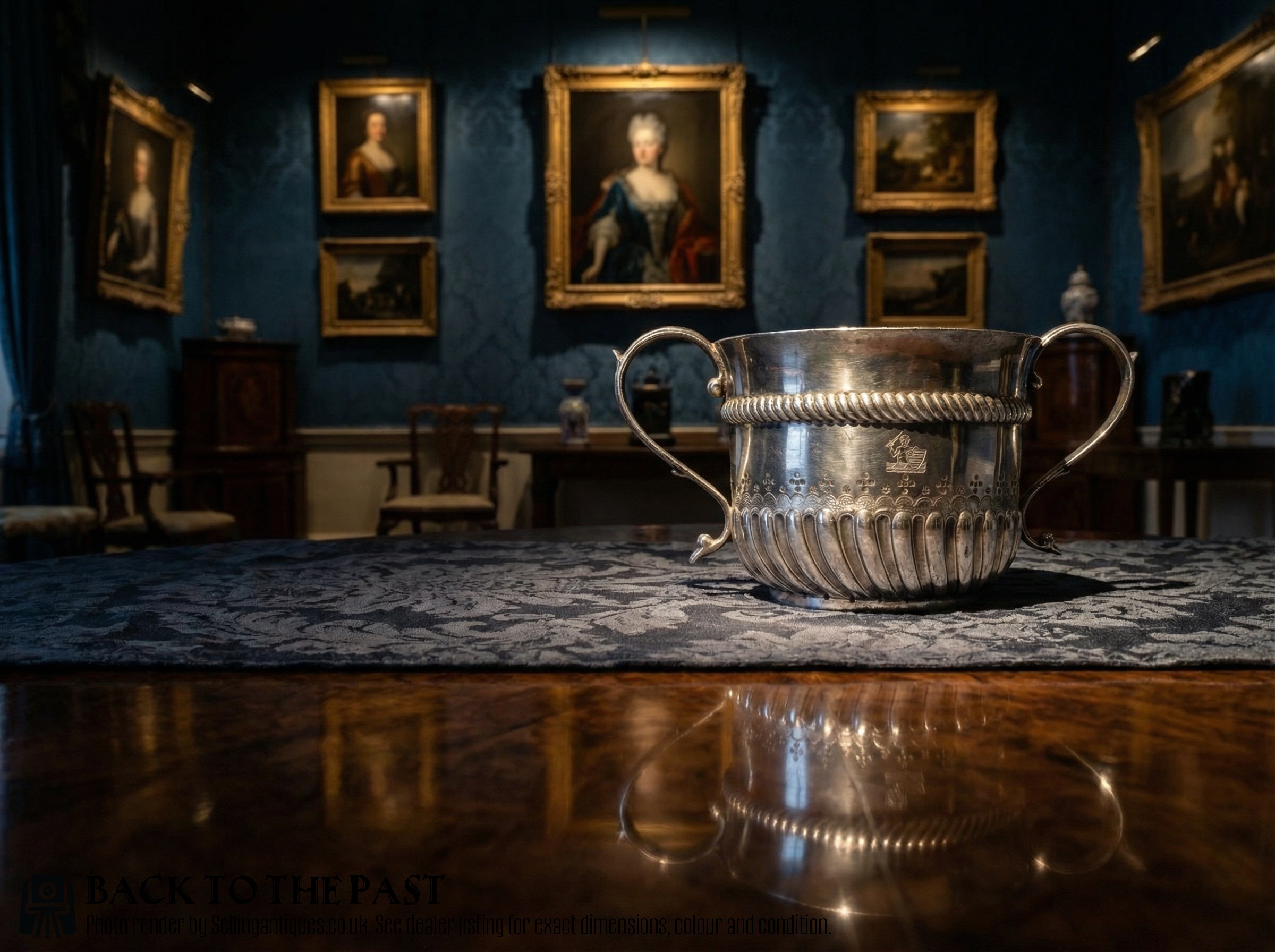
Quality rests on the clarity of the hallmarks and the preservation of original engraving on pieces like scent bottles and lace pattern spoons. Sharp detail in the crests and coronets marks out superior seventeenth century examples.
The weight of the silver and the intact state of early surfaces differentiate standard items from those bearing exceptional maker attributions. Maker marks from known silversmiths elevate the standing of individual trefid and dognose tablespoons.
Retail Price Guide 2026
Typical UK retail prices for william and mary silver, calculated from the Sellingantiques database of over a million retail prices indexed since 2003. This retail price guide relies exclusively on Sellingantiques data; no external sources or auction records are used, so the figures do not describe the wider market.
William Penstone·Isaac Davenport·Stephen Coleman·Eli Bilton·Lenygon and Co
The William and Mary Silver Glossary
- Trefid spoon
- An early form of flatware featuring a three lobed terminal at the end of the handle. This style dominated late seventeenth century dining before evolving into later profiles.
- Dognose tablespoon
- A transitional spoon shape with a rounded terminal and a distinct ridge down the front of the stem. Also known as a rat tail spoon due to the reinforcement on the bowl reverse.
- Britannia standard silver
- A higher purity silver standard introduced by statute in the late seventeenth century to discourage the melting of coinage. It contains ninety five point eight percent pure silver.
- Porringer
- A small two handled bowl used for porage or broth during the seventeenth century. These vessels often feature embossed decoration and sturdy cast scroll handles.
Frequently Asked Questions
How do I spot a genuine piece?
Examine the piece for clear seventeenth century hallmarks and traditional weight distributions characteristic of early silver production. Maker stamps and standard marks provide the primary confirmation of period origin.
Compare the surface wear and engraving styles against recorded examples from the same decade to verify authenticity.
What is a trefid spoon?
A trefid spoon is a flatware piece with a flattened handle terminal divided into three lobes. This design was common during the late seventeenth century.
The handle shape fits comfortably in the hand and reflects the formal dining habits of the baroque era.
How should I clean silver?
Clean seventeenth century silver with extreme care using non abrasive cloths designed for antique metals. Avoid aggressive polishing that might soften crisp hallmarks or wear down engraved coronet details.
Professional conservation advice is recommended for pieces with delicate silver gilt surfaces or historic leather elements.
Why do some items use britannia silver?
Britannia silver was a compulsory higher purity standard mandated for silversmiths during a specific period around nineteen hundred to prevent coin melting. It contains a higher percentage of pure silver than standard sterling.
Objects bearing these marks offer a precise date bracket for collectors focusing on late seventeenth century London production.