



Antique Smelling Bottle
An antique smelling bottle brings portable fragrance and reviving salts from Georgian and Victorian pockets into modern hands.
Antique Smelling Bottle
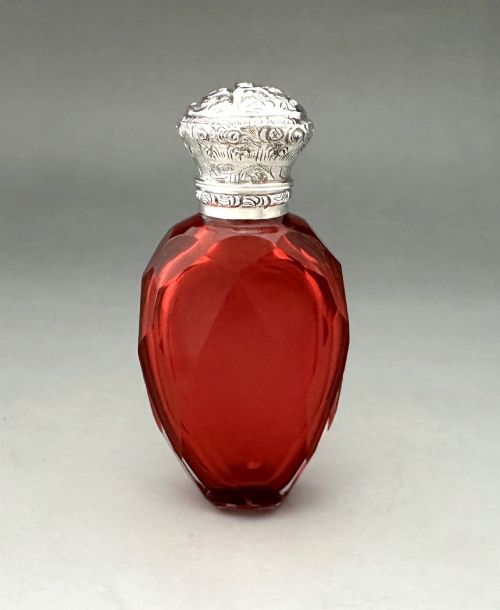
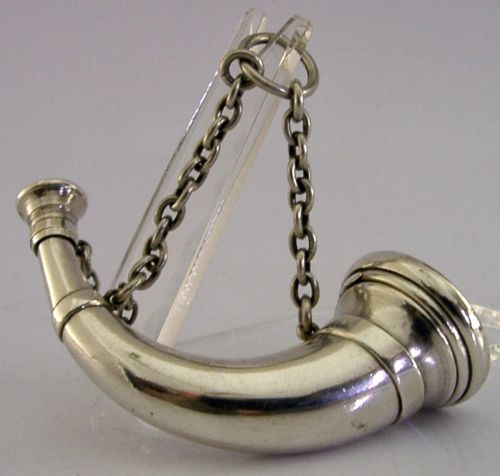
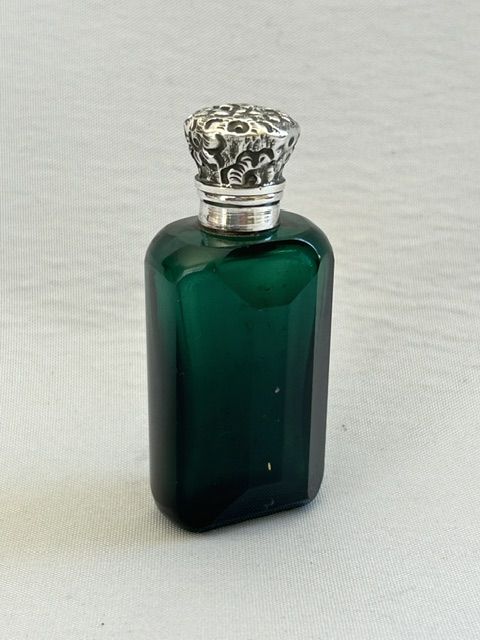
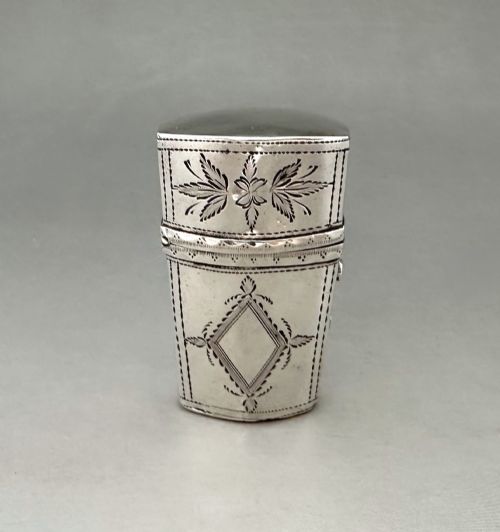
When you search for an antique smelling bottle, you are looking at small personal containers designed to hold perfumes or pungent smelling salts for revival. The examples met on this page span Georgian, Victorian, and Edwardian periods, appearing as scent bottles, vinaigrettes, and scent flasks. Most pieces combine precious metal mounts with glass bodies, ranging from miniature champagne bottles to hunting horns.
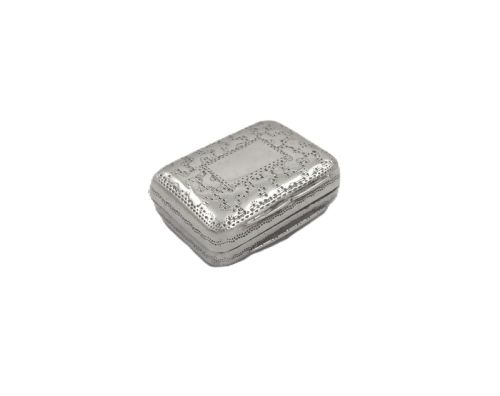
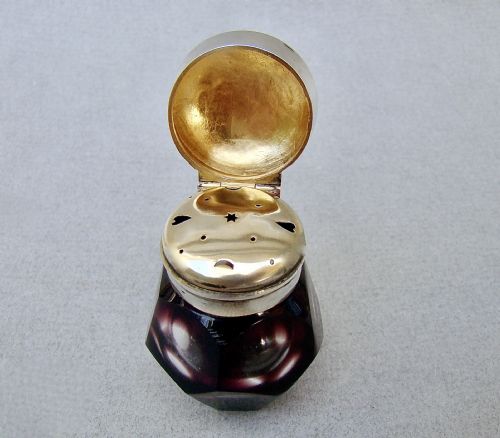
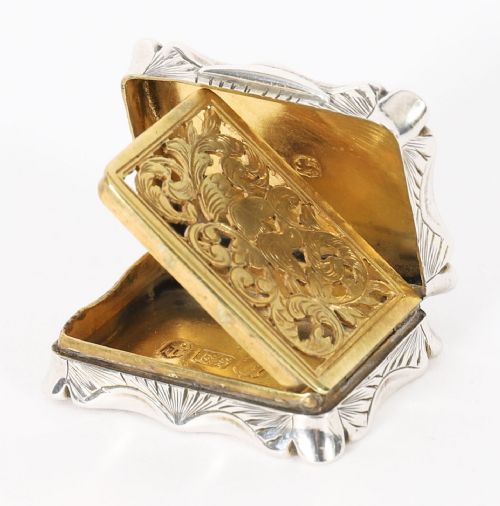
Vinaigrettes form a distinct sub-category among these listings, featuring internal pierced grilles that held a sponge soaked in vinegar or aromatics rather than liquid perfume. Double-ended scent bottles also appear frequently, allowing two different liquids or salts to sit at opposing ends of a single glass or metal cylinder.
Materials and Construction
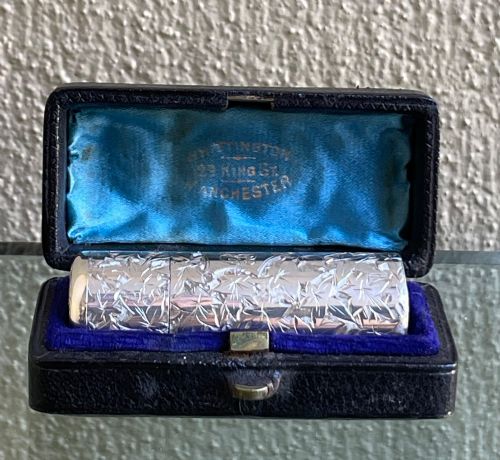
Makers shaped these objects using sterling silver, silver gilt, and glass alongside leather and velvet for fitted cases. Glass bodies utilise cut, etched, ruby, amethyst, cranberry, Bristol green, and opaline varieties, often paired with cast and engraved silver mounts.
Metalsmiths hammered, chased, and hallmarked the silver components while glassblowers formed the coloured and clear vessels. Novelty forms like articulated fish and hunting horns required specialist hinged metalwork to function correctly.
Distinctions in Quality
Quality rests on the complexity of the manufacture and the material of the body. Finely cut or overlaid glass combined with heavy sterling silver mounts and crisp hallmarks represents the finer tier of production.
Novelty shapes and fully articulated silver mechanisms, such as those found on animal-form vinaigrettes, demonstrate higher craftsmanship than standard cylindrical or panelled glass flasks.
Horton and Allday·Sampson Mordan·Edward Smith·G H James and Co
The Antique Smelling Bottle Glossary
- Vinaigrette
- A small hinged box containing a perforated internal grille for holding aromatic vinegar-soaked sponges. These served a similar refreshing purpose to liquid scent bottles.
- Silver Gilt
- Silver covered with a thin layer of gold, providing a rich yellow lustre. This finish appears frequently on interior gilt grilles and select exterior mounts.
- Opaline Glass
- An opaque or translucent glass popular in Victorian manufacturing. It typically displays soft pastel tones of blue, green, or white.
- Double Ended Scent Bottle
- A symmetrical flask with a cap at both ends, often housing two separate compartments for different scents or smelling salts.
- Hallmark
- An official stamp indicating the metal purity, maker, and assay office. These marks help date the silver mounts accurately.
Antique Smelling Bottle: Frequently Asked Questions
What is an antique smelling bottle?
An antique smelling bottle is a small personal container used to carry liquid perfume or aromatic salts. They were essential accessories for personal freshness and revival.
Most examples feature a secure stopper or cap to prevent evaporation of the strong contents. They were carried in pockets or reticules by both women and men.
How did people use vinaigrettes?
Vinaigrettes held sponges soaked in aromatic vinegar rather than liquid perfume. The user opened the outer lid to reveal a pierced internal grille that released the vapours.
They provided relief from foul odours or feelings of faintness in crowded public spaces. The pierced metal grille kept the wet sponge separate from clothing.
How do I date an antique bottle?
Dating relies heavily on the silver hallmarks stamped onto the metal mounts. These assay marks reveal the exact year and location of manufacture.
Stylistic cues in the glass colours and cutting patterns also help narrow down the period. Victorian pieces often show vibrant coloured glass while Georgian examples lean toward enamel and simpler silver work.