




Georgian Perfume Bottle
A georgian perfume bottle brings tactile history to a dressing table, holding the distilled oils and salts of the eighteenth and early nineteenth centuries.
Georgian Perfume Bottle
The pieces appearing on this page span the eighteenth and nineteenth centuries, often categorised under broader vanity equipment such as scent bottle holders, silver-gilt vinaigrettes, and rose water sprinklers. Collectors frequently find these items paired with specialised travel boxes and etui tool sets.
Materials and Construction
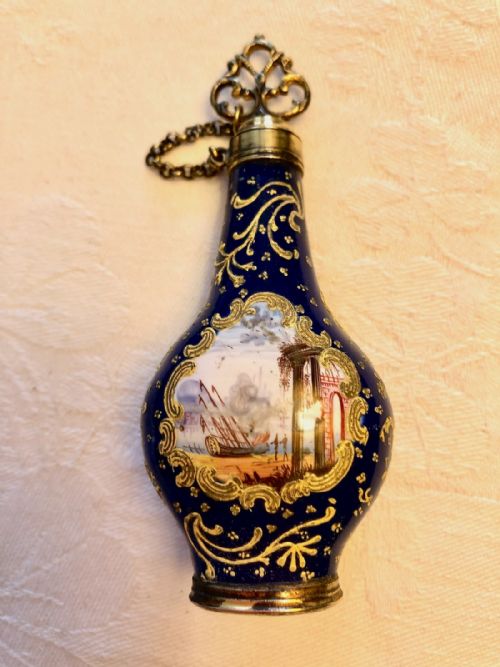
Artisans constructed these containers using precious metals, blown glass, and hand-painted porcelain. Silver, silver-gilt, and Old Sheffield plate formed the mounts and casings, while enamel allowed for detailed miniature scenes painted directly onto the surface.
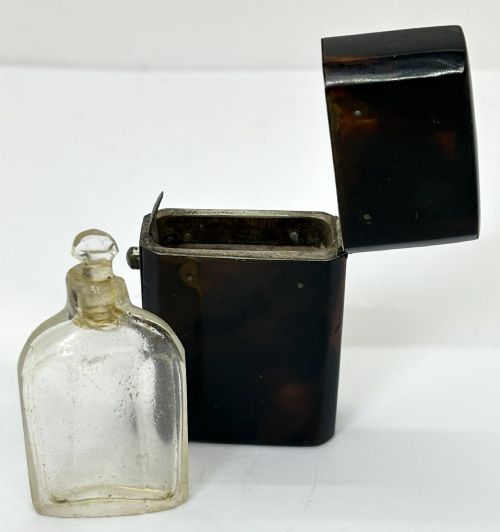
Organic materials such as tortoiseshell, rosewood, and shagreen provided rigid external protection for delicate internal glass vials. Metalwork involved fine chasing and engraving, seen particularly in Jacobite sympathy designs and articulated novelty fish vinaigrettes.
Materials recorded across these listings include silver, glass, porcelain, enamel, velvet, rosewood, brass, and gold leaf.
Assessing Craftsmanship
Quality rests in the crispness of the metal chasing, the delicacy of hand-painted enamel scenes, and the preservation of original internal stoppers. Pieces bearing identifiable maker marks or specific historical associations demonstrate higher workshop standards.
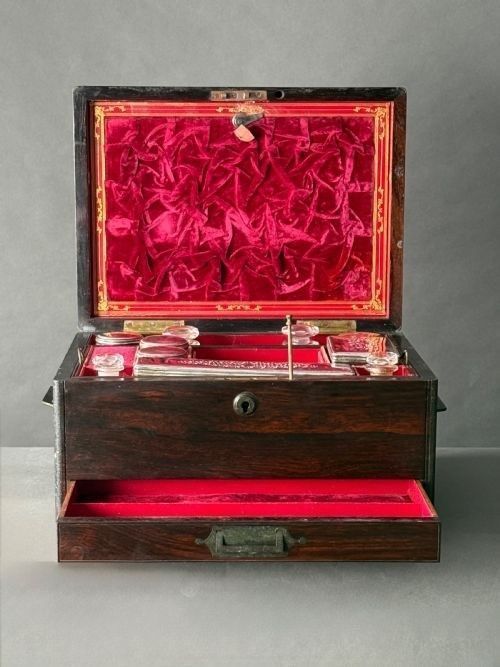
The integration of secondary materials, such as velvet linings within rosewood vanity boxes or complete etui tool sets containing original bodkins and tweezers, elevates the standing of a piece within the historical record.
Flight Barr and Barr
The Georgian Perfume Bottle Glossary
- Vinaigrette
- A small metal container holding a perforated grille, designed to absorb a sponge soaked in aromatic vinegar. These pieces were carried to combat unpleasant odours in public spaces.
- Etui
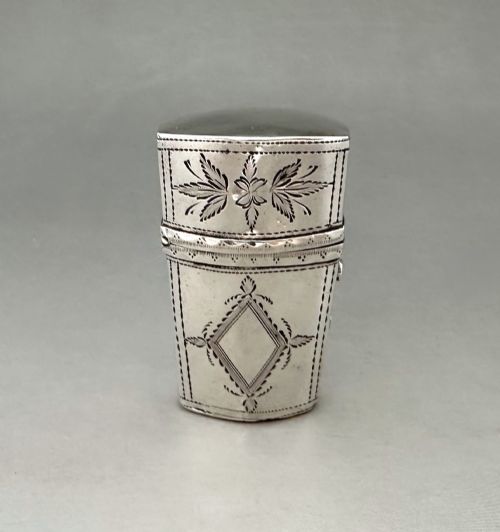
- A compact decorative case used to hold small needles, tweezers, and cosmetic tools. They often accompanied scent bottles within larger travel boxes.
- Old Sheffield plate
- A composite material formed by fusing a thin sheet of silver to a thicker copper base. It was widely utilised for functional items before modern electroplating.
- Rose water sprinkler
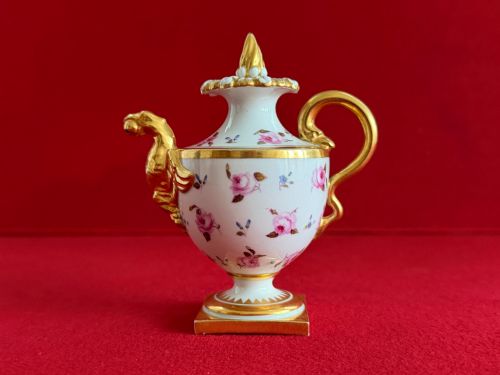
- A vessel featuring a pierced nozzle designed for dispersing scented water. Examples in the evidence originate from the Worcester porcelain factory.
- Shagreen
- A rough untanned leather prepared from the skin of a shark or ray. It appeared frequently as an exterior covering for eighteenth-century vanity cases.
Georgian Perfume Bottle: Frequently Asked Questions
What is a georgian perfume bottle?
A georgian perfume bottle is a small personal container made during the eighteenth or early nineteenth century to store liquid scents, oils, or aromatic vinegars.
These pieces were kept in dressing rooms or carried in fitted travelling cases for daily personal grooming.
How were scent bottles used?
Owners used these vessels to apply concentrated fragrances or to hold refreshing vinegars when travelling or attending crowded public events.
Fitted cases and etui sets ensured that fragile glass phials and accompanying grooming tools remained secure during transit.
How do I date a piece?
Dating relies on stylistic markers, material combinations, and occasional hallmarks stamped into the silver or gold components.
Objects associated with specific reigns, such as the Regency period or the mid-eighteenth century, exhibit characteristic manufacturing techniques and decorative motifs.
Are all these bottles made of glass?
No, while many containers use blown glass for the central phial, others utilise porcelain, enamel, or precious metals.
External housings frequently incorporate tortoiseshell, rosewood, shagreen, and silver to protect the delicate contents within.