




Antique Britannia Silver
Antique britannia silver is an early high-standard metalwork that brings heavy silver purity and crisp hallmarks to the table.
Antique Britannia Silver
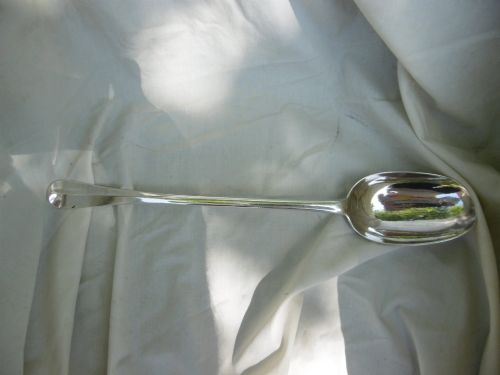
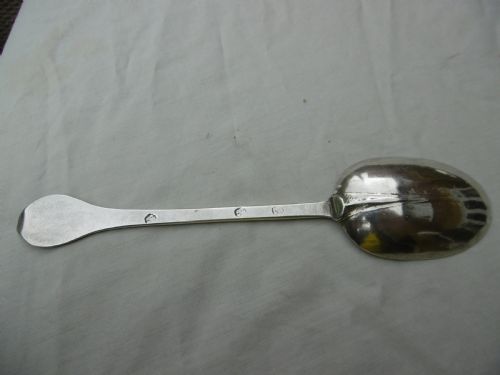
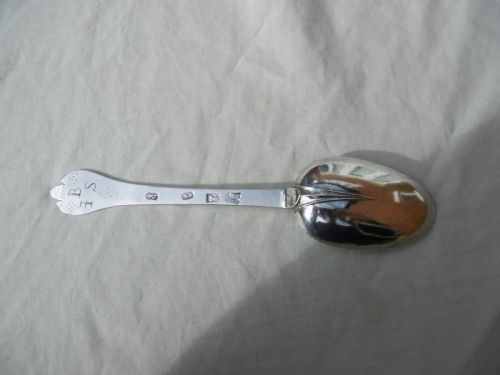
When you search for antique britannia silver, you encounter heavy functional items like spoons, mugs, and bowls produced under a stricter standard of metal purity than standard sterling silver. The pieces you meet on this page lean heavily into the late seventeenth and early eighteenth centuries, capturing the reigns of William III, Queen Anne, and George I.
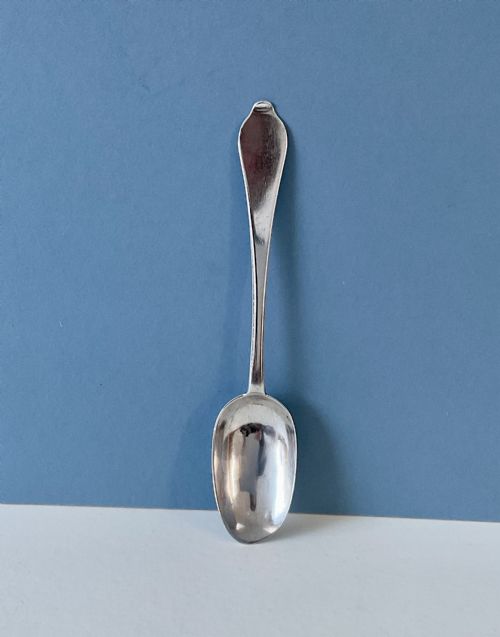
The form varies from provincial dognose tablespoons and hash spoons to tapering candlesticks, bleeding bowls, and sugar casters. Alongside authentic silver items, you occasionally spot later nineteenth-century pieces in britannia metal, but the core of the selection remains genuine high-standard antique silverware.
How they were made
Silversmiths worked with a higher fineness of silver, containing a greater proportion of pure silver than standard sterling, which yielded a softer metal that took a rich, deep polish. Items such as tapersticks and salts utilised seamed cast silver techniques, whilst spoons and forks were hammered and shaped from thick plates.
Makers often incorporated sturdy structural ribs, crisp ratification hallmarks, and occasional decorative engraving to define the surfaces. The reliance on higher silver purity meant pieces had to be thicker to retain their rigidity during daily use.
Listings feature items spanning the seventeenth, eighteenth, and nineteenth centuries, executed in sterling silver, britannia silver, and britannia metal.
What varies in quality
Quality rests in the legibility of the hallmarks, the preservation of the original bowl or stem thickness, and the balance of the form. Pieces that retain their heavy gauge silver without excessive thinning from centuries of polishing stand above heavily worn examples.
Maker attribution also separates the average find from the exceptional specimen, with work by known silversmiths commanding closer attention. The presence of provincial marks or well-preserved original surface textures further distinguishes the better pieces.
Andrew Archer·William Penstone·William Scarlett·Isaac Davenport·Benjamin Watts·John Smith·David Green·James Rood·Philip Ashberry and Sons
The Antique Britannia Silver Glossary
- Britannia Standard
- A compulsory higher standard of silver fineness introduced in England, requiring a proportion of pure silver per thousand. It is marked with the figure of Britannia and the lion's head erased.
- Dognose
- A spoon style evolving from the trefid, featuring a rounded, upturned terminal tip that resembles a dog's nose. These commonly date from the reigns of William III and Queen Anne.
- Bleeding Bowl
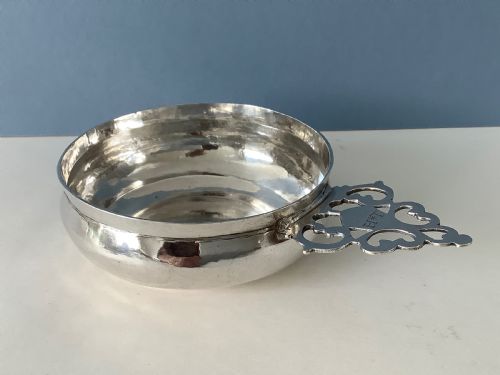
- A small, flat-bottomed vessel with a single pierced flat handle, used historically in medical practices. They frequently appear in early silver standards.
- Porringer
- A two-handled bowl or cup used for porridge or broth, often heavy in construction and made with embossed or plain sides.
Antique Britannia Silver: Frequently Asked Questions
What is britannia silver?
Britannia silver is a specific alloy standard introduced by law to curb the melting of coinage into plate. It contains a higher percentage of pure silver than sterling silver.
This higher purity made the silver slightly softer, so items were often made with a heavier gauge of metal to maintain their strength.
What items were made?
Silversmiths produced a wide array of domestic and dining items under this standard. Common survivals include tablespoons, marrow spoons, basting spoons, sugar casters, and mugs.
More specialised items such as bleeding bowls, trencher salts, and tapersticks also appear, reflecting the formal dining habits of the period.
Is britannia metal the same?
Britannia metal is entirely different from britannia standard silver. It is an inexpensive tin-based alloy used for plated tea caddies, tazzas, and tableware.
Items made from britannia metal date mostly to the nineteenth century and lack the silver purity and hallmarks of genuine eighteenth-century pieces.