
Art Deco Silver
Art deco silver brings geometric discipline and vibrant enamel to everyday items, capturing the modernist spirit of the interwar period.
What art deco silver pieces are
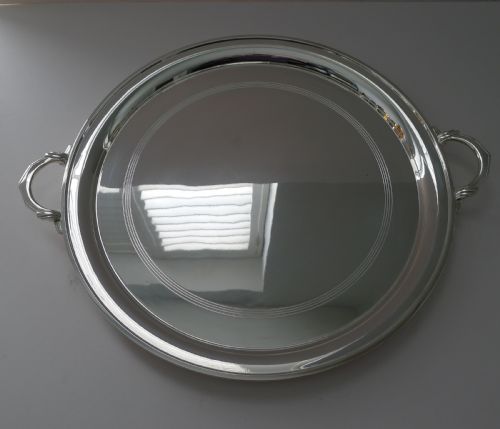
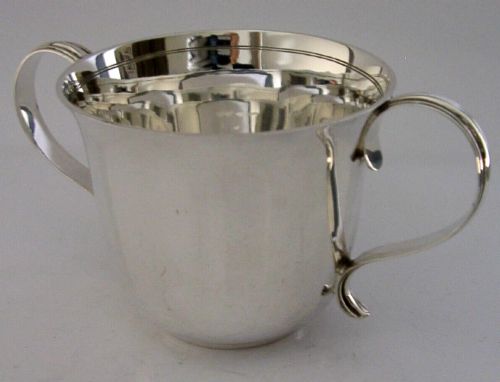
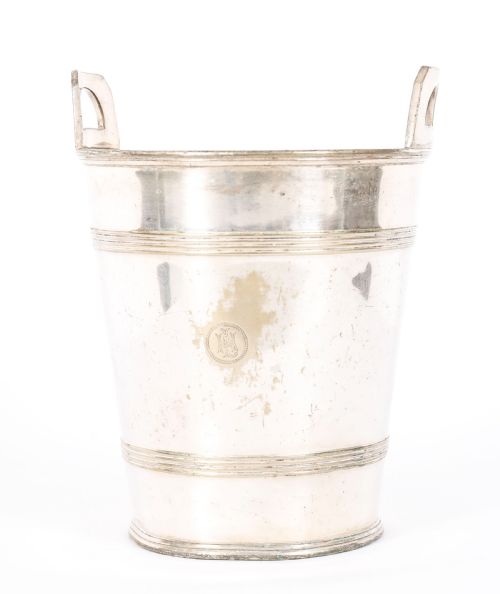
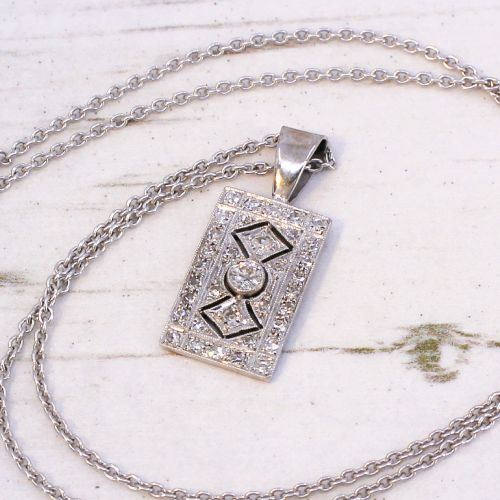
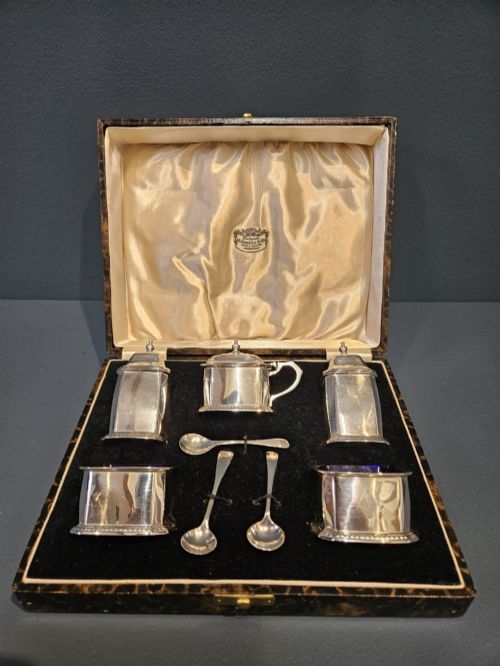
Art deco silver encompasses a wide array of functional items and personal accessories produced primarily during the 1920s and 1930s. Pieces range from flatware, spoons, bowls and vessels to dressing table jars, cigarette cases, photo frames and barware.
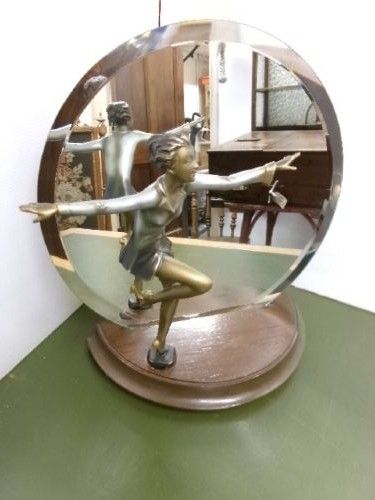
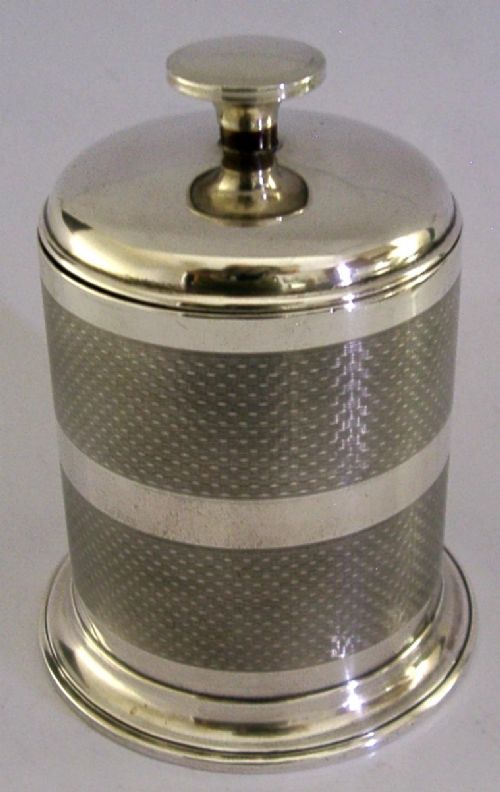
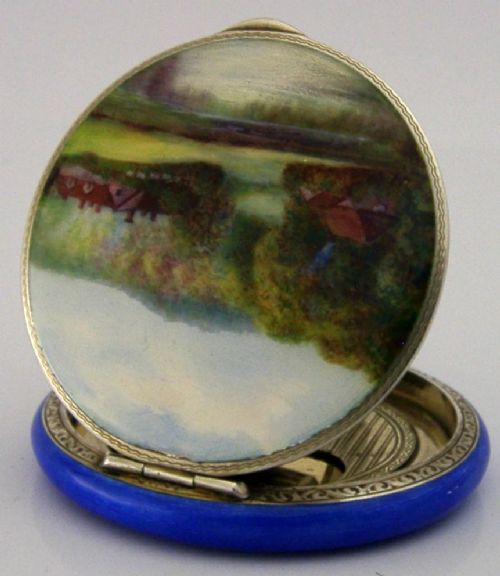
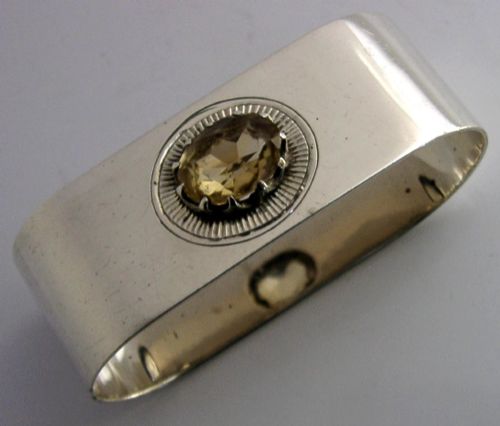
The objects frequently combine sterling silver with contrasting materials such as guilloche enamel, glass, shagreen, tortoiseshell and Blue John. Geometric motifs, sunburst patterns and stylised figures dominate the aesthetic of these items.
Buyers will encounter both British hallmarked silver from assay offices in Birmingham, Sheffield, Chester and London, alongside continental European pieces. The selection bridges formal dining accessories and personal items designed for the modern lifestyle of the era.
How they were made
Silversmiths utilised traditional manufacturing techniques alongside machine-assisted methods like engine turning to produce precise geometric patterns on surfaces. Sterling silver was cast, hammered or pressed into forms, then hand-finished by skilled artisans.
Enamelling involved applying powdered glass to the silver surface and firing it in a kiln, often over an engine-turned background to create translucent guilloche effects. Other organic materials such as tortoiseshell, shagreen and cut glass were painstakingly fitted into metal mounts.
Discover miniature silver sarcophagus charms and novelty cigar lighters shaped like books, proving that interwar silversmiths maintained a delightful sense of humour.
What varies in quality
Quality rests in the crispness of the geometric stamping, the depth and clarity of the guilloche enamel, and the integrity of the joins. Superior pieces maintain clean lines without distortion in the metalwork and show expert coordination between the silver and inset materials.
Maker reputation and assay office marks influence the standing of an item, as does the complexity of the design. Simpler mass-produced items contrast with elaborate novelty pieces and signed works by notable silversmiths.
CONNELL·WALKER AND HALL·THOMAS LYSTER MOTT·HENRY CLIFFORD DAVIS·HENRY WILLIAMSON·THE BARKER BROTHERS LTD·THE ADIE BROTHERS·WILLIAM HAIR HASELER·DEAKIN & FRANCIS·TURNER SIMPSON·W. G. SOTHERS LTD·RICHARD COMYNS·W.I. BROADWAY & CO·WOLFSKY & CO
The Art Deco Silver Glossary
- Sterling silver
- An alloy of silver containing 92.5% pure silver and 7.5% other metals, usually copper, ensuring durability for tableware and accessories.
- Guilloche enamel
- Decorative technique where a precise geometric pattern is mechanically engraved beneath a translucent layer of enamel.
- Engine turning
- Mechanical method of engraving intricate geometric patterns into metal surfaces using a lathe.
- Shagreen
- Untanned skin with a granular surface, historically prepared from shark or ray skin and utilised on luxury desk accessories.
Frequently Asked Questions
How do I clean enamelled silver?
Clean enamelled pieces gently using a soft cloth and warm soapy water, avoiding harsh silver dips that can damage the glass enamel.
Dry the item thoroughly immediately after washing to protect any exposed metal and hinges.
Are these items hallmarked?
British pieces typically feature clear hallmarks indicating the maker, assay office, and date letter for the 1920s or 1930s.
Continental items often carry standard silver purity stamps instead of traditional British assay marks.
How were dressing table sets used?
Dressing table sets were kept on bedroom vanities to hold cosmetics, pins, and hair combs in an orderly fashion.
They formed part of a coordinated suite of grooming accessories popular during the interwar period.
What is engine turning?
Engine turning is a mechanical decoration technique that etches repeating geometric patterns into the surface of the silver.
This process created textured backgrounds that caught the light and prevented the metal from showing fingerprints.