

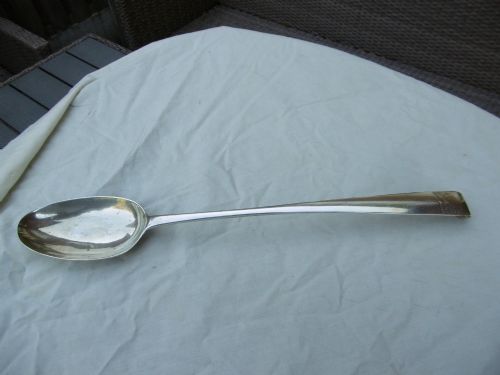


Silver Crest Spoon
When you handle a silver crest spoon, you hold centuries of family history engraved into solid sterling metal.
Silver Crest Spoon
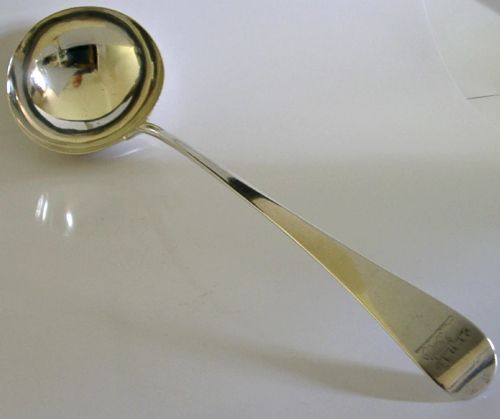
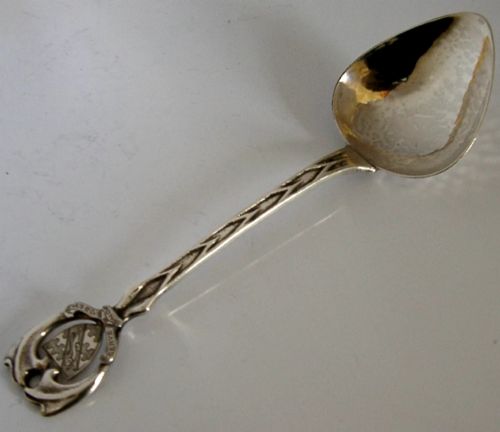
A silver crest spoon is a piece of cutlery or serving silverware featuring an engraved family crest, animal motif, or armorial bearing. Buyers seeking these items will find examples ranging from 18th-century Georgian ladles to Victorian dessert spoons and Edwardian cased sets.
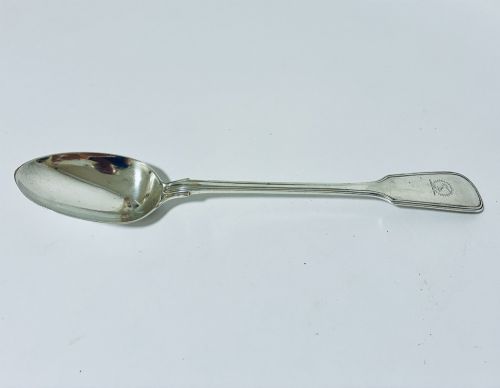
The most common versions met on this page are Georgian and Victorian sterling silver serving spoons, basting spoons, and tablespoons bearing specific family heraldry. These utensils often arrived as part of larger dining services commissioned by landed families.
Originating predominantly from British and Irish workshops, these spoons combine functional dining use with personalised heraldic engraving that denotes the original owner or lineage.
How they were made
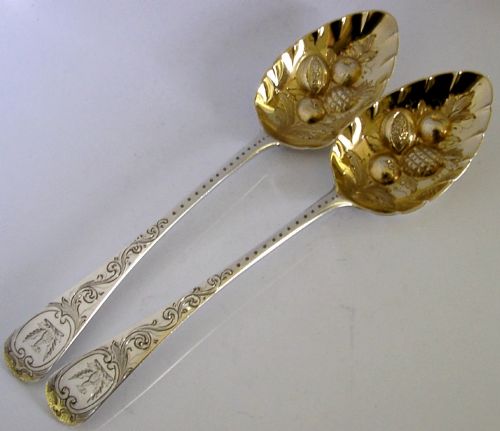
Silversmiths fashioned these items primarily from sterling silver, occasionally incorporating silver gilt or gilding for decorative interior bowls and accents. Selected pieces also feature wooden components or handles.
Manufacturing techniques relied on traditional hand-wrought forging and hammering to shape the heavy gauge metal for spoons, ladles, and basting utensils. Engravers then hand-chased family crests, animal motifs, and decorative patterns such as rat tail or fiddle designs directly onto the silver surface.
Listings feature sterling silver and silver gilt materials across 18th-century, Georgian, Victorian, and 1930 periods.
What varies in quality
The standard of craftsmanship depends largely on the weight of the sterling silver and the crispness of the hand-engraved crest. Heavier gauges of silver provide greater structural durability and a more substantial feel in the hand.
The distinction between standard tableware and top-tier examples lies in the prominence of the maker, the clarity of town and date hallmarks, and the complexity of the armorial engraving.
Hester Bateman·John Craig·Michael Smith·Elizabeth Morley·Esther Forbes
The Silver Crest Spoon Glossary
- Sterling silver
- A standard alloy of silver consisting of 92.5 percent silver and 7.5 percent other metals, usually copper, ensuring durability for cutlery. This composition forms the material basis for the vast majority of pieces listed here.
- Crest
- A specific heraldic device displayed above a shield on a coat of arms, often engraved onto the handle of these spoons. Families commissioned these to mark their lineage and property.
- Basting spoon
- A large kitchen or serving spoon used for moistening roasting meat with pan juices. These items often feature heavy gauge sterling silver and substantial length.
- Silver gilt
- Sterling silver that has been coated with a thin layer of gold on the surface. This technique provides a rich two-tone appearance, frequently seen inside bowl interiors.
- Rat tail
- A strengthening tongue of metal extending down the back of the spoon bowl from the handle junction. This traditional feature appears on early pieces like Queen Anne tablespoons.
Silver Crest Spoon: Frequently Asked Questions
What is a silver crest spoon?
A silver crest spoon is a functional piece of tableware, such as a tablespoon, ladle, or serving spoon, engraved with a specific family heraldic crest or animal motif.
These spoons served wealthy households as part of everyday dining or formal entertaining, often custom-ordered to match existing family silver.
How do I identify the date of a silver crest spoon?
Dating relies on the hallmarks stamped directly into the silver, which typically include assay office symbols, date letters, and maker's marks.
Comparing these punches against historical hallmarking records reveals the exact year and city of manufacture.
What were basting spoons used for?
Basting spoons were large, heavy utensils designed to scoop and pour pan juices over meats while roasting in large hearths or kitchens.
Their substantial length and heavy gauge sterling silver kept hands safely away from the heat.
Are family crests on spoons historically significant?
The crests engraved on these spoons directly correspond to specific historical families, landed gentry, and noble houses.
Researching the heraldic design often uncovers the lineage of the original household that commissioned the silverware.