
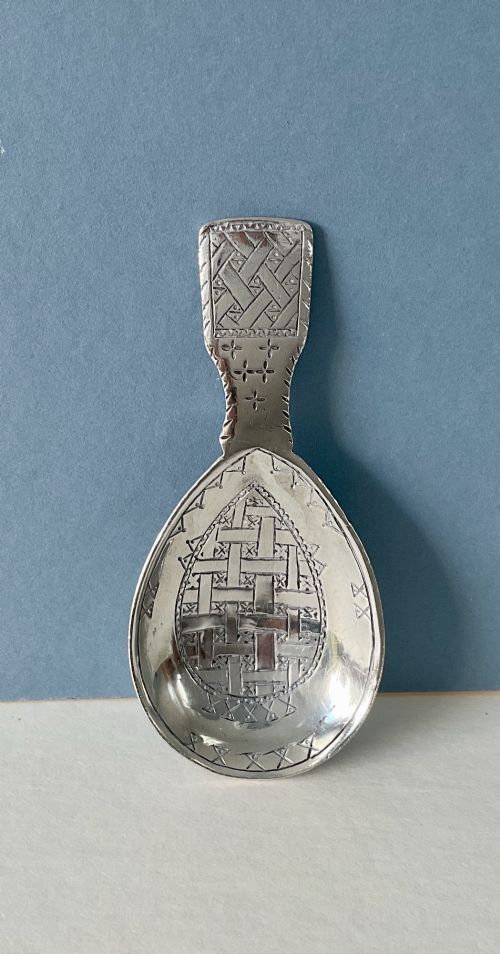
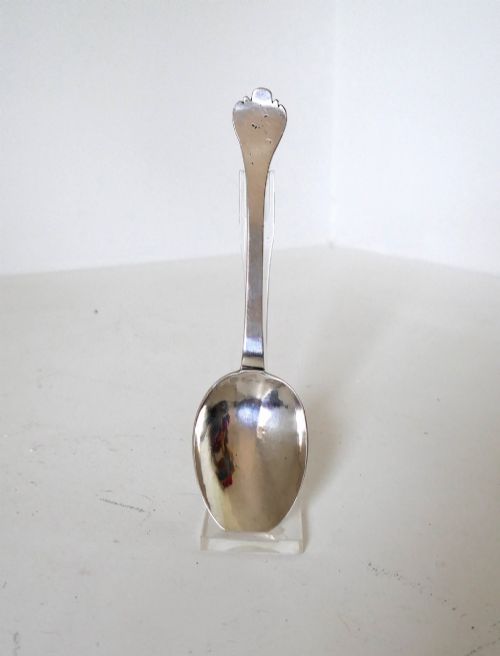
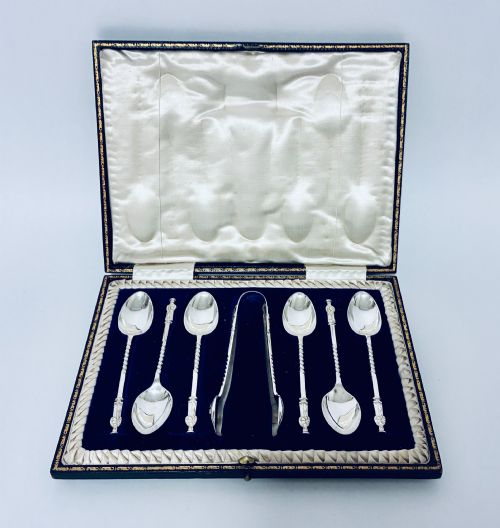


Silver Collector Spoon
A silver collector spoon brings centuries of metalwork into the palm of your hand, offering miniature histories in sterling silver.
Silver Collector Spoon
A silver collector spoon encompasses small eating utensils, caddy spoons, and specialised implements dating from the sixteenth century to the twentieth century. These pieces showcase diverse historical forms, including trefid, slip top, and seal top designs from the Elizabethan, Stuart, and Georgian eras.
Origins span early English periods up to the Edwardian era, capturing shifts in domestic dining and tea habits. Each form reflects the specific functional requirements of its original period.
Materials and construction
Silversmiths utilised sterling silver and silver gilt, frequently combining metal bowls with organic materials such as coquilla nut, wood, and treen. Surviving items demonstrate period manufacturing techniques including hand-beating, repoussé work, and casting.
Early pieces rely on heavy-gauge silver construction with distinct hand-hammered surfaces and cast terminals. Later twentieth-century examples employ refined silversmithing methods while maintaining traditional forms.
Materials recorded across the inventory include sterling silver, silver gilt, coquilla nut, and wood.
Judging quality in silver spoons
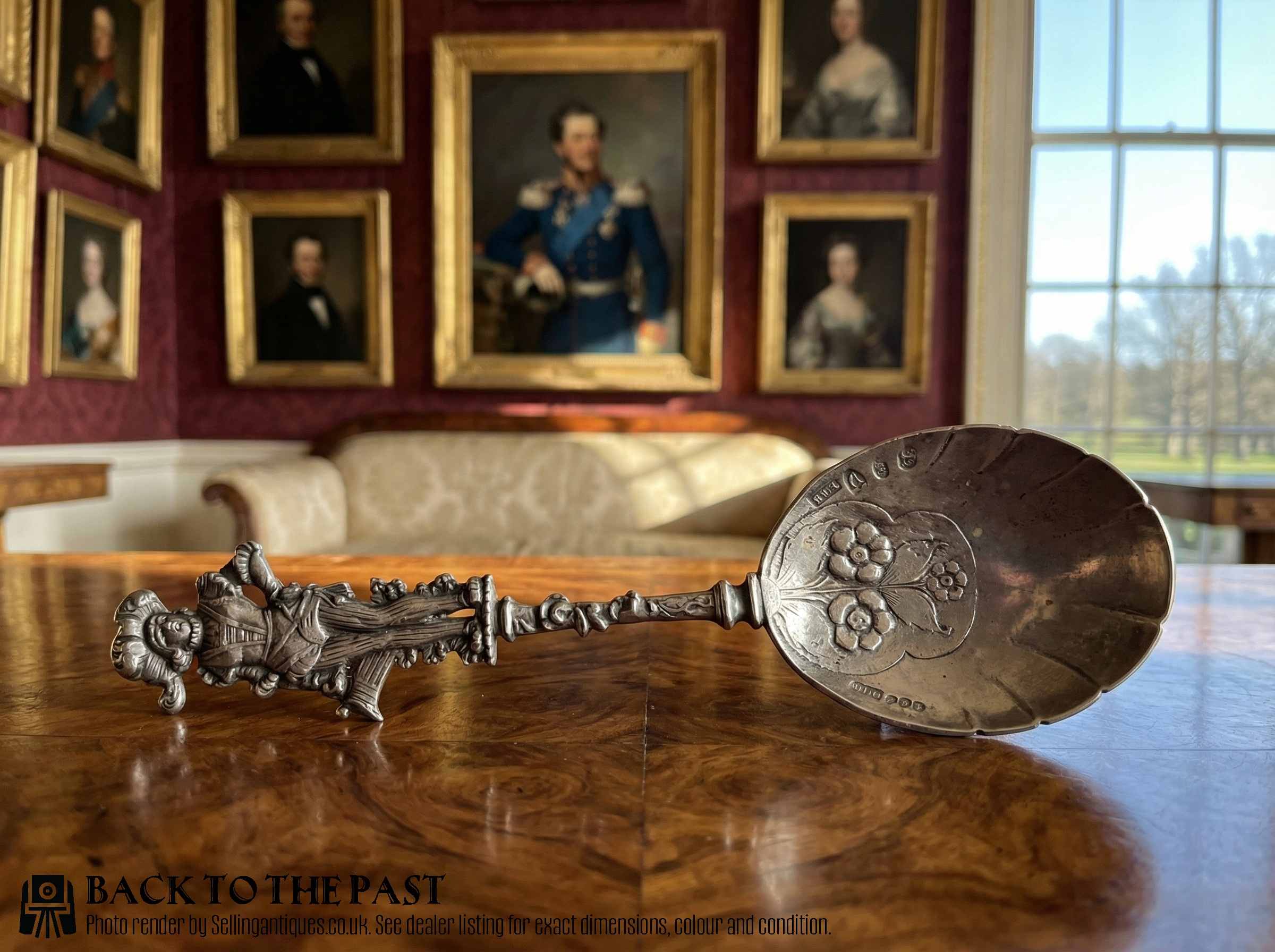
Quality rests upon the clarity of hallmarks, the crispness of cast details on terminals such as apostles or seals, and the survival of original surface texture. Early hand-wrought pieces derive distinction from untouched maker marks and legible date letters.
Proportion and weight differentiate standard domestic items from superior survivals. Wear to repoussé decoration or thinning of the bowl alters the integrity of an early piece.
Jerimiah Johnson·John Smith·Berthold Herman Muller·John Fox
The Silver Collector Spoon Glossary
- Trefid spoon
- An early form featuring a trifid-notched terminal and a flat, broad stem popular during the late seventeenth century.
- Seal top spoon
- A spoon terminating in a small flat-topped seal, commonly cast during the Tudor and Stuart periods.
- Caddy spoon
- A short-handled spoon designed for measuring tea leaves from a caddy, prevalent throughout the Georgian era.
- Silver gilt
- Silver covered with a thin layer of gold, often utilised on decorative sifter spoons and commemorative items.
- Slip top spoon
- An early style with a straight stem cut off diagonally at the end, appearing frequently in sixteenth-century inventories.
Silver Collector Spoon: Frequently Asked Questions
How do I identify early silver spoons?
Examine the terminal style and bowl shape, comparing them against known sixteenth and seventeenth-century forms like slip tops and seal tops.
Check for clear hallmarks and maker stamps that confirm the period of production.
What is a caddy spoon used for?
These small spoons were kept inside tea caddies to measure loose tea leaves into the pot during the Georgian and Victorian periods.
Their shallow bowls and short handles suited the dimensions of storage containers.
How should I display silver spoons?
Protect them from tarnishing by keeping them in controlled environments away from direct moisture and humidity.
Shallow display cases with inert linings allow clear viewing of the hallmarks and terminals.
What makes a seal top spoon desirable?
The cast terminal shape mimics the personal seals used for stamping wax documents in the Tudor and Stuart eras.
Survival of crisp cast detail on the seal determines the desirability of these early pieces.