




Engraved Bowl Silver Spoon
These engraved bowl silver spoon pieces combine fine metalwork and domestic utility, offering collectors an engaging glimpse into historic dining and tea tables.
Engraved Bowl Silver Spoon
When you search for engraved bowl silver spoon, you encounter a varied selection of antique eating and serving implements spanning several centuries. The pieces on this page include caddy spoons, serving spoons, ladles, and salad servers originating from Georgian, Victorian, Edwardian, and seventeenth-century periods.
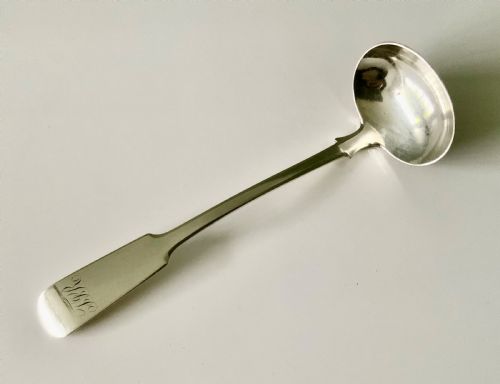
Caddy spoons and berry spoons form a large portion of the selection, often featuring detailed decorative work upon the bowl or handle. You will also find soup ladles, toddy ladles, and sugar and sifter spoon sets alongside sugar bowls.
The origins span English provincial centres, Dublin, London, and Scottish workshops, showing the wide geographic spread of British silversmithing. These domestic items served specific functions in tea service and dining before industrial manufacturing standardised tableware.
Materials and construction
Makers utilised sterling silver and silver plate, occasionally applying silver gilt or simple gilt highlights to enrich the appearance of the metal. These materials provided the durable foundation necessary for functional domestic implements that endured daily use.
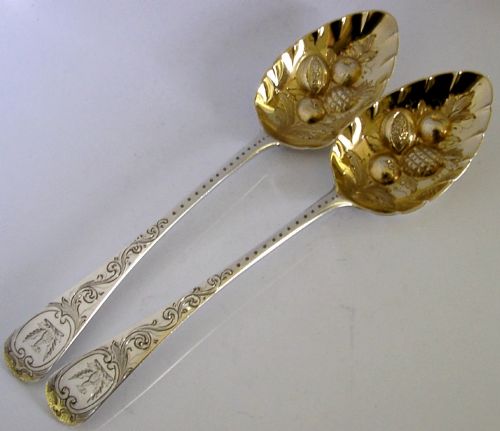
Craftsmen applied hand engraving directly to the bowls and handles of the spoons, creating foliate patterns, family crests, and fruit motifs like those seen on berry spoons. Stamping and hammering techniques shaped the bowls into shells, rectangles, and traditional oval profiles.
The listings span from the seventeenth century through the Edwardian era, featuring sterling silver, silver gilt, and silver plate.
Assessing quality and distinction
The crispness of the hand engraving on the bowl and handle dictates much of the visual appeal, as worn or shallow lines diminish the impact of the original design. Sharply defined crests, foliate borders, and shell motifs demonstrate superior execution by the maker.
Clear hallmarks provide vital evidence of origin, date, and maker, directly influencing the desirability of each piece. Well-struck marks and intact gilding separate standard production items from finer examples produced by notable silversmiths.
Jerimiah Johnson·William Chawner II·Michael Smith
The Engraved Bowl Silver Spoon Glossary
- Berry spoon
- A large serving spoon, often Georgian or Victorian, retrofitted or originally engraved with fruit and foliage on the bowl. These pieces were typically used for serving fruit or desserts.
- Caddy spoon
- A small spoon designed specifically for measuring tea leaves from a caddy into a teapot. They frequently feature decorative shell or rectangular bowls with engraved handles.
- Hallmark
- A series of official stamps applied to precious metals indicating the standard of purity, the assay office, the maker, and the year of production. They serve as the primary method for dating British silver.
- Silver gilt
- Sterling silver that has been coated with a thin layer of gold, providing a rich yellow lustre. This finish is commonly observed on nineteenth-century berry spoons and specialised serving pieces.
- Toddy ladle
- A small ladle with a twisted whalebone or silver handle used for serving hot punch or toddy. Their small bowls are often inset with coins or feature detailed engraving.
Engraved Bowl Silver Spoon: Frequently Asked Questions
What were caddy spoons used for?
Caddy spoons measured loose tea leaves from a storage caddy into the teapot during tea preparation. Their compact size and shallow bowls made them ideal for handling valuable tea.
Over time, these spoons evolved into highly decorative items with engraved handles and specialised bowl shapes like shells and rectangles. They became miniature canvases for silversmiths to demonstrate fine engraving and shaping skills.
How do I date an antique silver spoon?
Dating relies primarily on the stamped hallmarks found on the reverse of the handle or bowl. These marks indicate the assay office, the specific year letter, and the silversmith's mark.
Style, form, and engraving techniques also offer strong clues to the period. Georgian pieces often show different handle profiles and bowl designs compared to later Victorian or Edwardian examples.
What is a berry spoon?
A berry spoon is a large serving spoon featuring fruit and leaf engraving pressed or chased into the bowl. They were commonly produced during the Georgian and Victorian periods for serving fresh fruit and berries.
Many berry spoons originated as standard dining spoons and received decorative engraving later in the nineteenth century to suit changing Victorian tastes. They are distinguished by their ornate bowls and detailed handle engraving.
How should I clean antique silver spoons?
Antique silver requires gentle cleaning with a soft cloth and specialised silver polish designed to preserve the metal. Avoid harsh abras<bos>30th-century chemical dips that can strip away the natural patina accumulated over generations.
Store your silver in a dry environment away from direct sunlight and damp conditions to prevent tarnishing. Handling the pieces carefully helps maintain the crispness of the original engraved bowl details.