


Silver Apostle Spoon
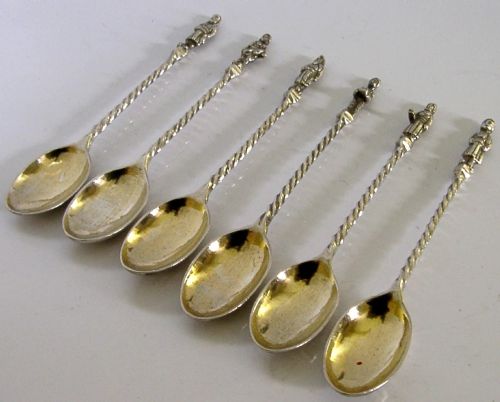
A silver apostle spoon carries a figure finial at the terminal, offering collectors a tangible link to early English and Victorian dining traditions.
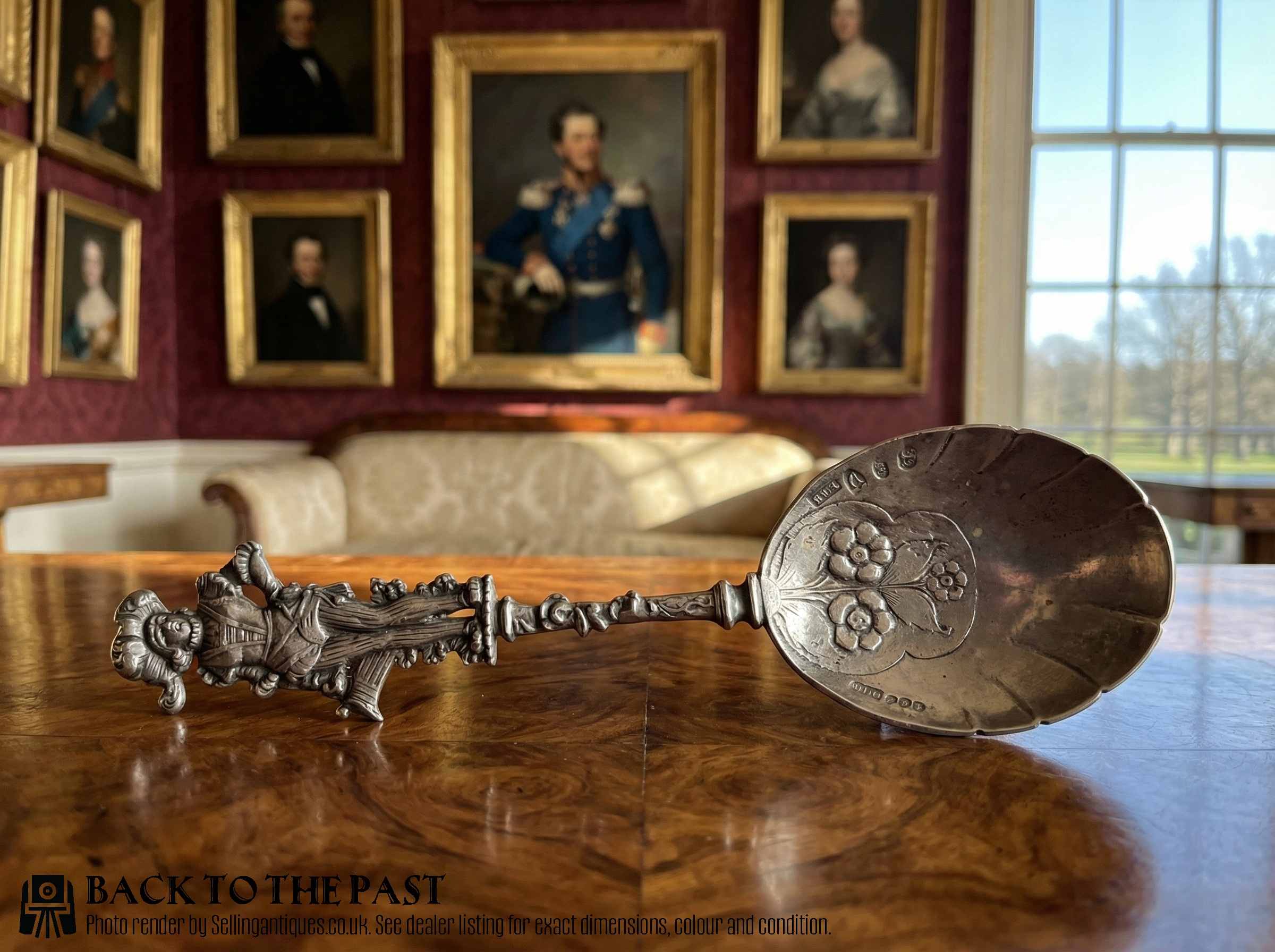
Silver Apostle Spoon
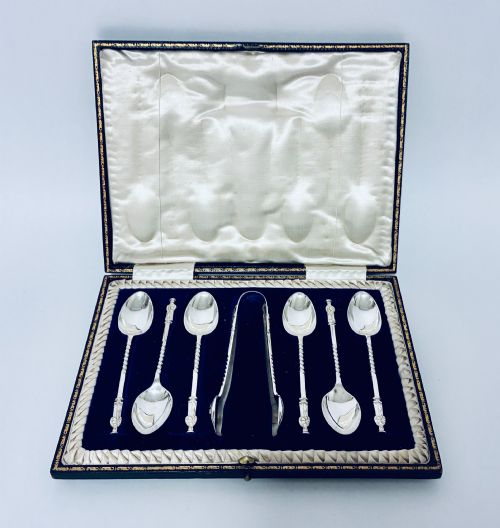
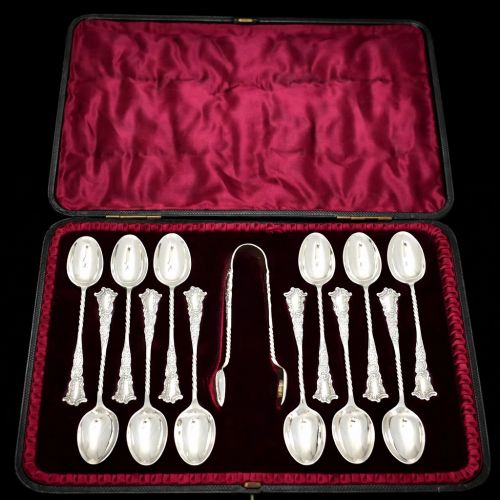
The version most frequently met on this page is the Victorian or Edwardian sterling silver serving spoon. These later iterations often appear in matched pairs or fitted cases, reflecting a widespread nineteenth century appetite for historicizing tableware. Alongside these, seventeenth century specimens and continental European variants occasionally emerge, demonstrating a broad geographical span from English provincial assay offices to Dutch and Swiss workshops.
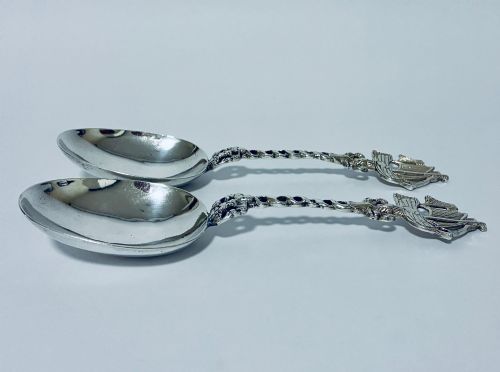
Makers produced these items as functional tableware and decorative display pieces, encompassing dessert spoons, condiment spoons, and large serving implements. The finials typically depict specific saints holding their traditional attributes, cast with varying degrees of sculptural detail. Whether found as a single early artefact or a cased set from the Edwardian period, the form maintains a distinct religious and historic iconography.
Materials and Techniques
Silversmiths constructed these implements primarily in solid silver, sterling silver, and occasionally silver gilt, utilising traditional casting and hammering methods. Earlier seventeenth century pieces relied on hand-beating the bowl and stem, attaching a separately cast figure at the terminal by mechanical or soldered joints. Later nineteenth and twentieth century production incorporated similar casting techniques for the apostle figures, combined with stamped or die-rolled bowls.
Repousse work appears on specific examples, creating raised ornamental relief patterns along the bowls or handles, particularly on Dutch import pieces depicting beer scenes and figural narratives. Hallmarks stamped into the metal record the assay office, date letter, and maker's mark for British pieces, while continental items utilise regional silver standards. Gilding was applied to selected silver surfaces to enhance the visual contrast of the figures and decorative motifs.
Materials recorded across the archive consist exclusively of silver, including solid silver, sterling silver, and silver gilt.
Defining Quality and Execution
Artisanal execution dictates the overall character, particularly in the hand-finished details of the cast figures and the integration of the stem to the bowl. Superior examples demonstrate careful chasing and engraving that accentuates the attributes held by each saint. Complete cased sets retaining their original fitted linings represent a higher level of preservation than dispersed individual spoons.
Berthold Herman Muller·William Devenport·Richard Crosse
The Silver Apostle Spoon Glossary
- Apostle spoon
- A spoon featuring a cast figure of one of Christ's apostles as the finial at the end of the handle. These items date from the sixteenth century onward, with significant revival periods in the Victorian and Edwardian eras.
- Finial
- The decorative ornament or sculptural figure fixed to the top of the spoon handle. In this category, the finial invariably takes the form of a saint or apostle.
- Caddy spoon
- A short-handled spoon specifically designed for measuring loose tea leaves from a caddy. Victorian examples in this category apply apostle finials to miniature serving scales.
- Silver gilt
- Silver that has been coated with a thin layer of gold on its surface. This technique creates a rich two-tone effect on serving spoons and cased sets.
- Repousse
- A metalworking technique where the artisan hammers the metal from the reverse side to form a raised design in relief. This method appears on specific continental serving spoons in the archive.
Frequently Asked Questions
What do the figures on the handles represent?
The figures depict the twelve apostles, each traditionally holding an identifying emblem or attribute associated with their martyrdom or life. Common representations include Saint Peter with a key or Saint Andrew with a saltire cross.
Craftsmen rendered these miniature sculptures in cast silver, attaching them securely to the top of the stem. Collectors often examine these details to identify the specific saint portrayed.
How can I tell an early spoon from a Victorian copy?
Seventeenth century pieces exhibit hand-beated construction marks, distinct tool work, and differing silver purity standards compared to later items. Hallmarks, where present, provide official date letters and assay office symbols that distinguish period artefacts from nineteenth century revivals.
Nineteenth and twentieth century makers frequently produced heavy sterling silver serving spoons in sets or cased presentations. Examining the wear patterns and the method of attachment between the stem and the finial helps determine the manufacturing era.
Were these spoons used for dining or display?
While early sixteenth and seventeenth century examples served practical dining functions, many later Victorian and Edwardian iterations functioned primarily as display pieces or ceremonial gifts. The larger serving spoons and cased sets were frequently given as christening presents or wedding tokens.
Specialised forms like salt spoons, condiment spoons, and sugar sifters indicate specific table uses within formal Victorian place settings. Their survival in fitted cases suggests they were preserved as treasured possessions rather than daily utensils.
What is a seal top apostle spoon?
A seal top spoon terminates in a flat circular disk rather than a figural finial, though hybrid variations occasionally combine architectural elements with apostle motifs. The seal top form represents an earlier English style of flatware popular before figural terminals became widespread.
Examples combining these design elements showcase the transition of handle styles across different centuries of silversmithing. Such pieces are identified through their distinct terminal shape and recorded hallmarking.