
Antique Solid Silver
These pieces of antique solid silver span centuries of fine metalwork, offering both practical utility and enduring decorative charm for the modern home.
Antique Solid Silver
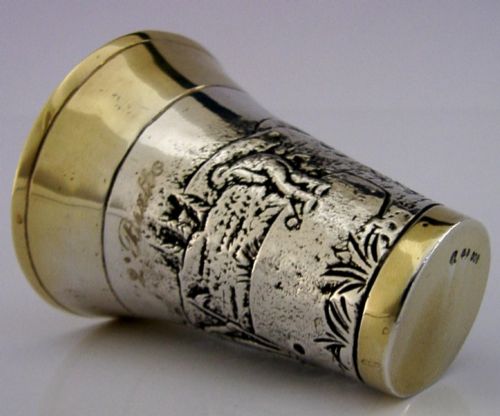
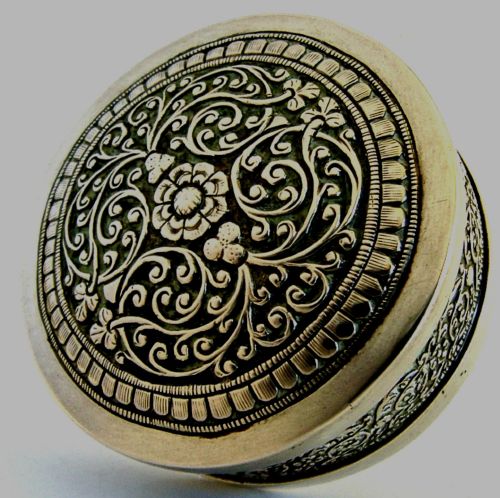
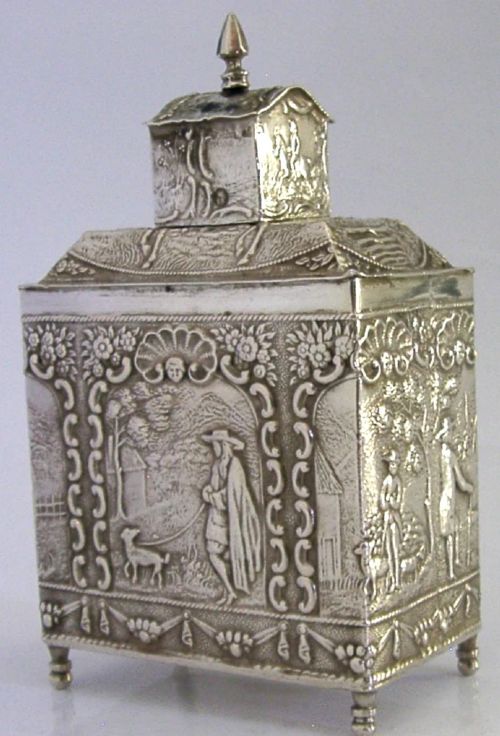
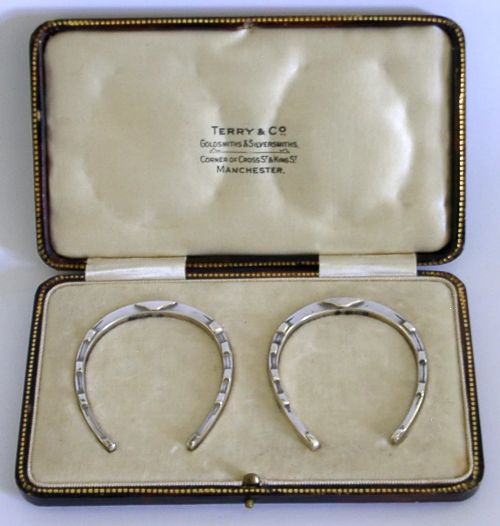
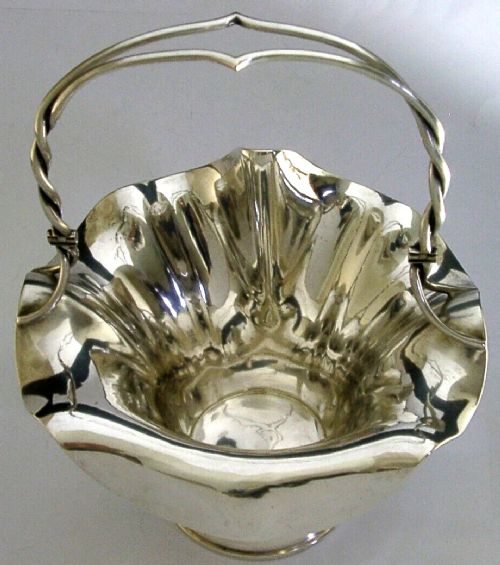
When exploring antique solid silver, collectors encounter everything from heavy Georgian basting spoons and intricate Edwardian toast racks to continental boxes and novelty pin cushions. The selection ranges across the Victorian and Edwardian eras well into the twentieth century, capturing diverse domestic and decorative uses.
How they were made
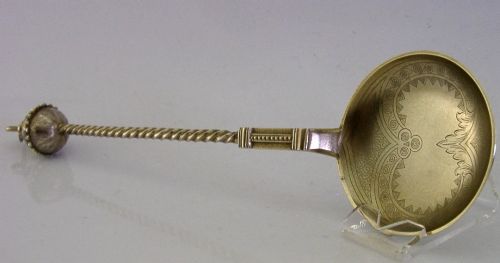
Silversmiths utilised traditional forging, casting, and hand-beating techniques to shape sterling silver and silver gilt into both utilitarian and ornamental forms. Planished surfaces, pierced details, and delicate engraving reveal the meticulous handwork involved in domestic metalware.
Pieces frequently incorporate contrasting elements such as blue glass liners, velvet, satin, steel, or natural stones like moss agate to enhance their visual and functional appeal.
Materials documented across the inventory include sterling silver, silver gilt, velvet, satin, steel, glass, and silk.
What varies in quality
Quality in antique silver is defined by the crispness of the maker's chasing, the weight and gauge of the metal, and the overall integrity of construction. Heavy casting and well-defined hand-engraving separate exceptional artisan pieces from standard production items.
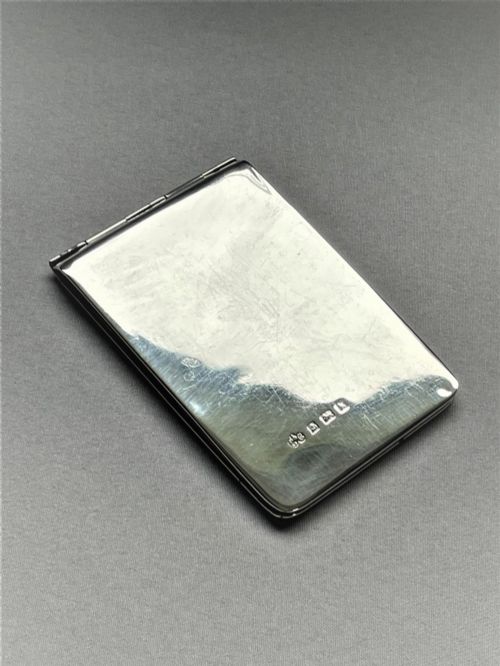
The presence of clear hallmarks, original fitted cases, and specialist elements like parcel-gilding or enamel work further elevate a piece within its respective period.
Elizabeth Morley·Hester Bateman·Georg Jensen·Tom Mackie·Nathan & Hayes·Charles Stuart Harris·William Burwash
The Antique Solid Silver Glossary
- Sterling silver
- A silver alloy containing 92.5 percent pure silver by mass, with the remainder usually copper, prized for durability and lustre.
- Silver gilt
- Silver objects that have been coated with a thin layer of gold on the surface, sometimes referred to as vermeil.
- Hallmark
- An official stamp or marks struck on items made of precious metals, indicating standard of purity, maker, and assay office.
- Planished
- A surface texture achieved by hammering metal with a smooth round-faced hammer to create subtle, uniform facet patterns.
- Caddy spoon
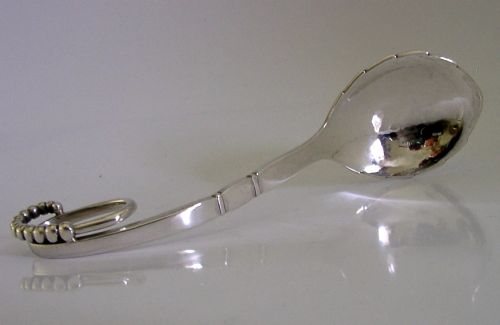
- A short-handled spoon specifically designed for measuring loose tea leaves from a caddy into a teapot.
Antique Solid Silver: Frequently Asked Questions
How do I clean antique solid silver safely?
Use a soft microfiber cloth and a mild, non-abrasive silver polish formulated specifically for antiques to preserve delicate details and hallmarks.
Avoid harsh chemical dips that strip the natural patina and can damage embedded stones or glass liners permanently.
Can I use antique silver spoons for daily dining?
Many solid silver spoons and cutlery sets remain entirely robust for regular meal usage, provided they are washed by hand promptly after use.
Running older silver through mechanical dishwashers exposes the metal to harsh detergents and high heat that cause pitting and dull the finish.
What is the difference between sterling and continental silver?
Sterling silver strictly denotes a fineness standard of 92.5 percent pure silver, historically governed by strict assay office regulations in Britain.
Continental silver often adheres to different fineness standards, such as 800 or 830 parts per thousand, commonly found in German, Scandinavian, and Dutch pieces.
How do I identify the date of my silver piece?
British pieces typically feature a date letter punch alongside the assay office mark and maker's stamp, allowing precise tracking through hallmarking records.
Continental or unmarked items require stylistic analysis, comparing decorative motifs like Art Nouveau curves or Georgian proportions against known design periods.