




1930s Silver Spoons
These 1930s silver spoons bring functional elegance to the table, offering a tangible connection to the geometric styling of the interwar years.
1930s Silver Spoons
When you search for 1930s silver spoons, you are looking at small-scale tableware produced during the George V and George VI reigns. The selection spans everyday cutlery and specialised implements designed for distinct culinary rituals of the period.
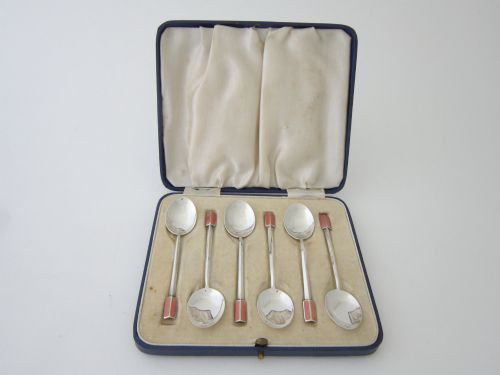
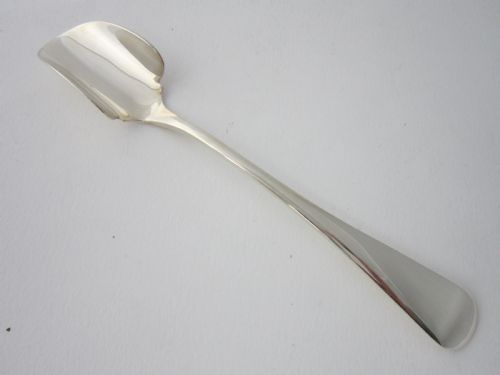
The most common items encountered on this page are coffee spoons and teaspoons, frequently decorated in the prevailing Art Deco style. Alongside these drinking utensils, collectors find specialised forms such as grapefruit spoons, medicine spoons, cheese scoops, and caddy spoons.
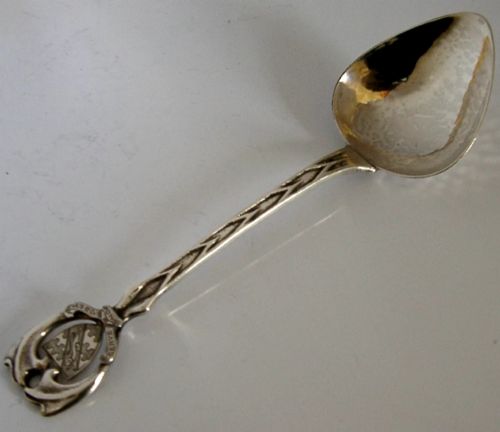
Pieces originate from major English assay offices, including London, Birmingham, and Sheffield. They reflect both mass production by established firms and more individualistic designs from the lingering Arts and Crafts movement.
What varies in quality
Quality in these utensils depends upon the weight of the metal and the crispness of the assay stamps. Heavier gauges resist bending during daily use and retain sharper definition in their handle decoration.
The precision of the enamel work separates standard production from finer items, particularly where multi-coloured geometric patterns are involved. Complete original cases and intact gilding further elevate the standing of a set.
1930s Silver Spoons Retail Price Guide 2026
Typical asking prices for 1930s silver spoons among the pieces listed under this phrase on Sellingantiques today, from the lower quarter to the upper quarter. They describe what is for sale here now, not the wider market.
Some bridge spoons retain their original Bakelite stands, designed to keep trump cards firmly anchored while afternoon tea was served.
William Neale and Son·Walker and Hall·Plucknett
The 1930s Silver Spoons Glossary
- Sterling silver
- A silver alloy containing 92.5 percent pure silver by mass, with the remainder composed of copper or other metals. This standard is guaranteed by official hallmarks.
- Silver gilt
- Sterling silver that has been coated with a thin layer of gold. This technique protects the underlying metal from tarnishing in specific areas like bowl interiors.
- Vitreous enamel
- Glass fused to the surface of the metal through high-temperature firing. It provides a durable, glossy coloured decoration characteristic of Art Deco pieces.
- Assay mark
- A stamp or group of stamps indicating the purity of the metal, the maker, and the year of testing. These symbols allow exact dating of British silverware.
- Caddy spoon
- A short-handled spoon specifically designed for measuring loose tea leaves from a caddy. They often feature decorative bowls and hand-wrought details.
1930s Silver Spoons: Frequently Asked Questions
How do I clean enamelled spoons?
Clean enamelled spoons gently with warm soapy water and a soft cloth, avoiding abrasive dips or ultrasonic cleaners that can crack the glass.
Dry them immediately with a microfiber towel to prevent water spots on the silver surface.
Can I use these spoons daily?
Sterling silver items are durable enough for regular daily use, provided they are washed by hand rather than placed in a dishwasher. Enamelled or gilt pieces require more care to preserve their decorative finishes over time.
Storing them in a lined case or anti-tarnish roll protects them from scratches when not on the table.
What is a medicine spoon?
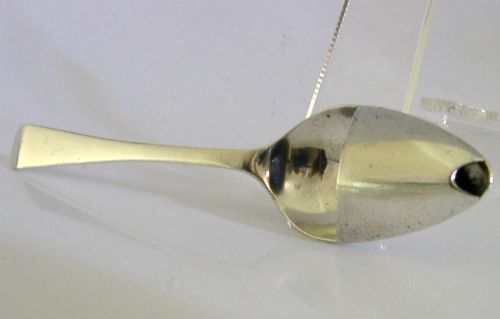
A medicine spoon is a specialised utensil from the era featuring a covered bowl or precise graduations for measuring liquid doses. Doctors and apothecaries utilised them for administering accurate quantities before modern pharmaceutical packaging.
They often bear specific markings that distinguish them from standard dining cutlery.
How do I date these spoons?
Dating relies on the set of hallmarks stamped into the metal, which include a sponsor's mark, a standard mark, an assay office symbol, and a date letter. Each assay office used a specific sequence of shapes and alphabets for their yearly cycles.
Stylistic cues such as stepped Art Deco motifs or George V crowns also point to the correct decade.