
Cased Silver Set
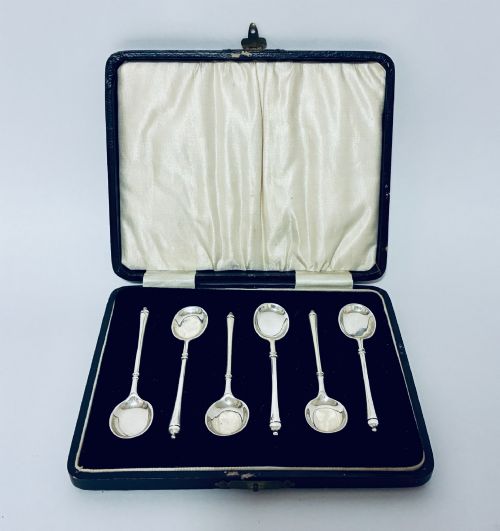
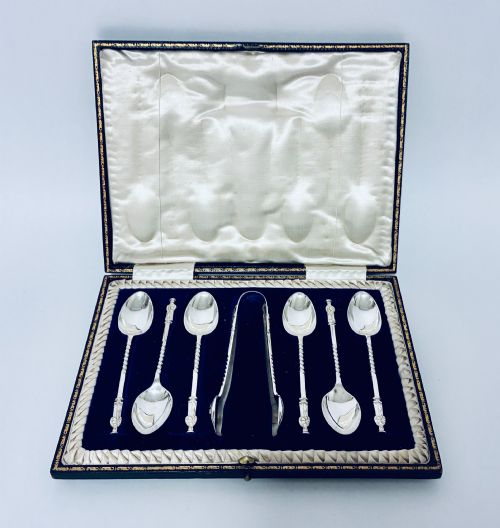
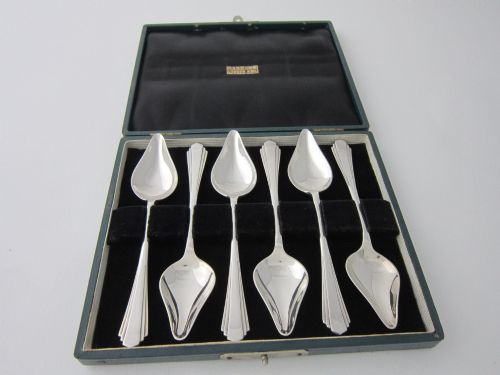
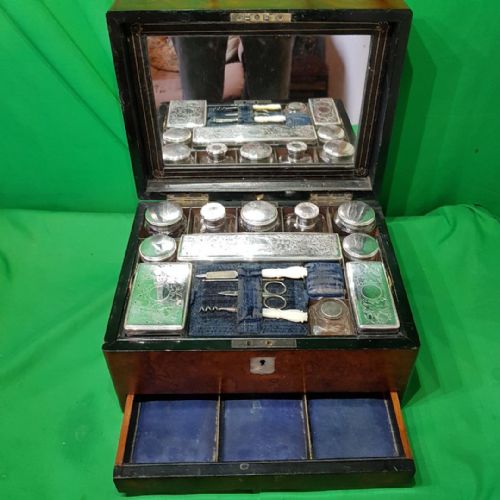
A cased silver set brings together matched dining or dressing implements housed in fitted presentation boxes lined with velvet or silk.
Cased Silver Set
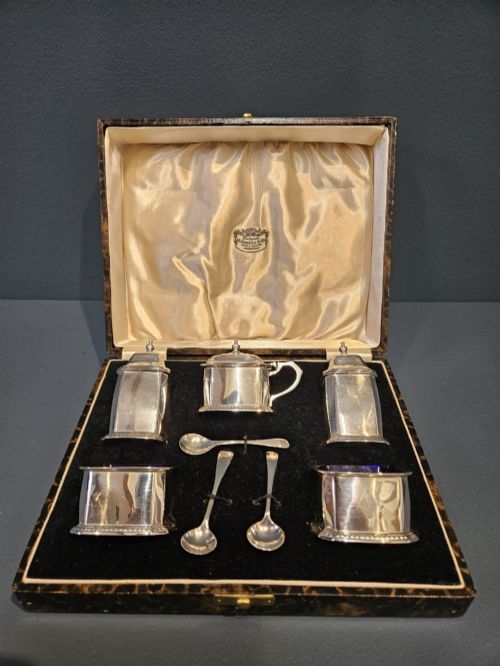
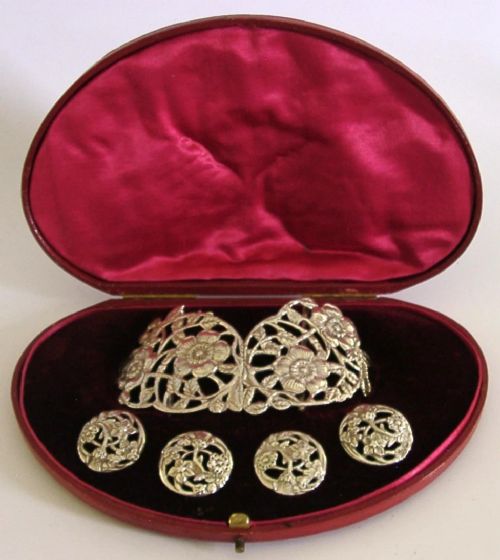
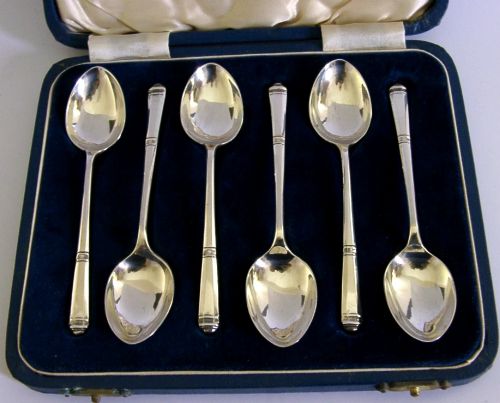
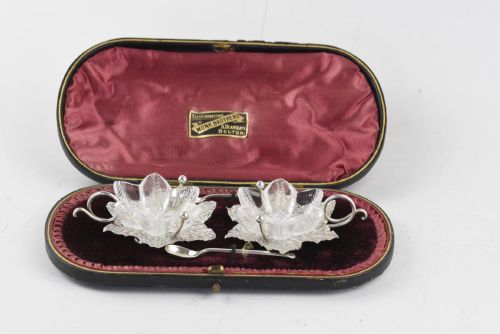
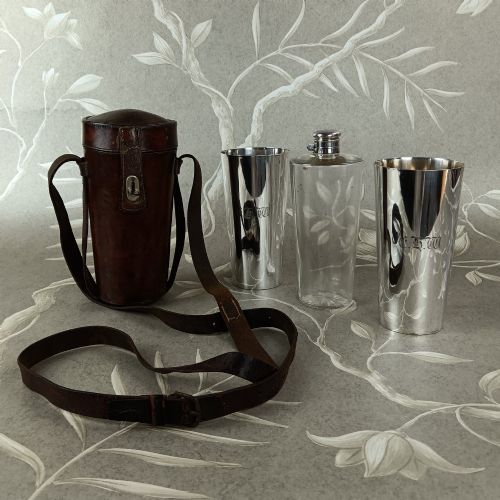
When exploring a cased silver set, buyers encounter a wide variety of domestic and personal groupings designed for specific social rituals. The selection spans Victorian and Edwardian christening sets, afternoon tea spoons, cruet sets, and dressing table accessories.
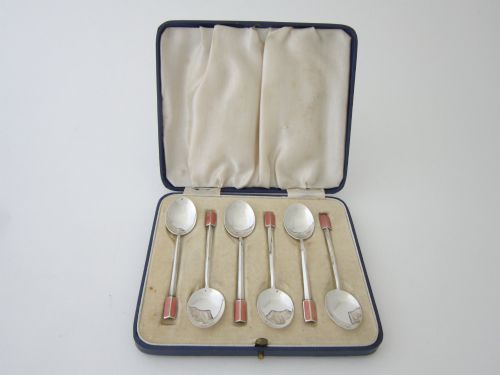
Many listings showcase distinct decorative movements, ranging from Arts and Crafts pieces set with semi-precious stones to geometric Art Deco cocktail sticks and enamelled items. These ensembles were originally intended for formal dining, travel, or presentation as gifts on significant occasions.
How They Were Made
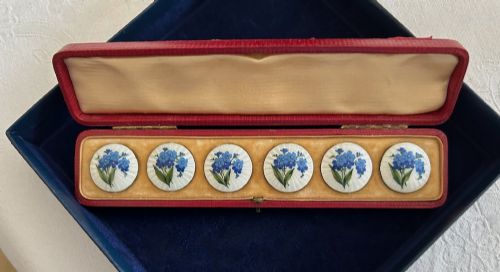
The components are principally fashioned from solid sterling silver or silver plate, occasionally accented with mother-of-pearl, glass liners, or guilloché enamel. Metalwork techniques involve casting, stamping, and engraving, often finished with partial gilding known as silver gilt.
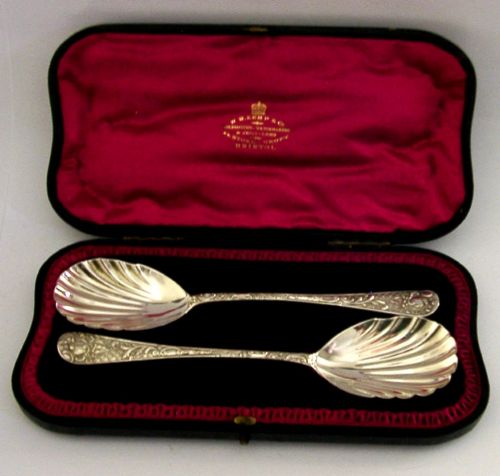
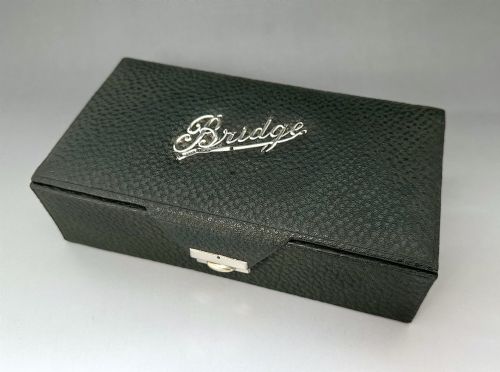
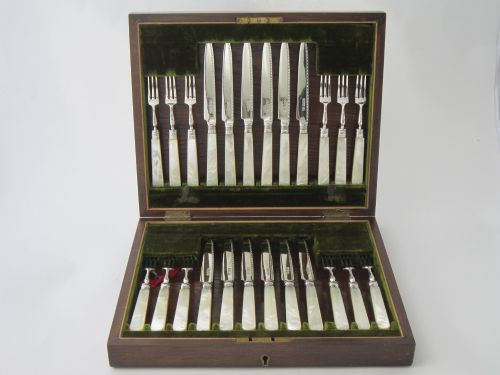
The protective containers are constructed from wood or sturdy cardbases covered in leather, leatherette, or textured paper. Interiors are meticulously fitted with moulded recesses lined in plush velvet, silk, or satin to secure each individual piece during transport or storage.
What Varies in Quality
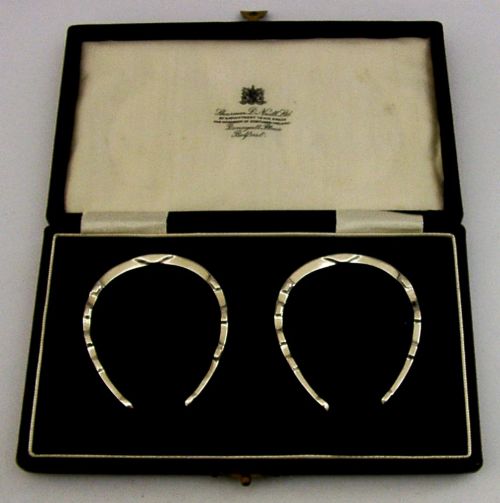
Quality differences emerge in the execution of the metalwork, such as the crispness of hand-engraving on napkin rings or the intricate detail found on apostle spoons and cast handles. The complexity of decorative additions, including applied enamel or set stones, elevates the standard of manufacture.
The integrity and preservation of the original fitted case also influence overall merit. Boxes with intact silk linings, functional clasps, and well-preserved exterior coverings demonstrate superior original pairing and survival.
James Dixon And Sons·Levi And Salaman·Goldsmiths And Silversmiths·William Neale·Henry Clifford Davis·Walker And Hall·Josiah Williams And Co·Adie Brothers
The Cased Silver Set Glossary
- Sterling silver
- A silver alloy containing 92.5 percent pure silver by mass and 7.5 percent other metals, usually copper, to add durability. This standard is frequently verified by hallmarks struck into the metal.
- Cruet set
- A matched assembly of small bottles, jars, or cellars designed to hold condiments like salt, pepper, mustard, and vinegar at the dining table.
- Guilloché enamel
- A decorative technique where a precise, intricate pattern is mechanically engraved into the underlying metal before translucent enamel is applied over the top.
- Apostle spoon
- A spoon featuring a finial shaped as one of the 12 apostles or Christ, popular as traditional christening or presentation gifts in silver.
- Vesta case
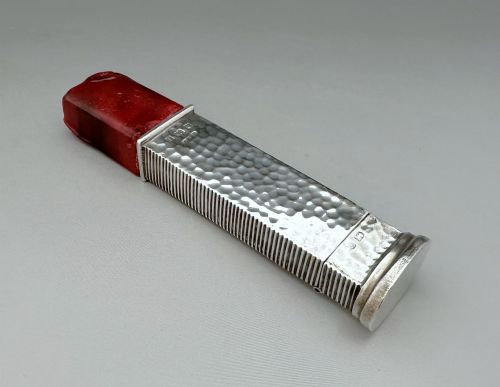
- A small portable box designed to hold matches, usually fitted with a striking surface on the base and often found in matching travel sets.
Cased Silver Set: Frequently Asked Questions
What are cased silver sets used for?
These fitted collections served domestic dining, hospitality, and personal grooming needs. They provided secure storage and presentation for delicate items like teaspoons, fish knives, and dressing table bottles.
Many were purchased specifically as presentation gifts for weddings, christening ceremonies, or anniversaries. The protective housing ensured the contents remained pristine between formal occasions.
How do you clean antique silver safely?
Maintenance requires gentle cleaning using a dedicated silver cloth or a mild, non-abrasive silver polish. Harsh chemical dips should be avoided, particularly on items with enamel, niello, or velvet-lined interiors.
Surfaces should be wiped clean of residues and stored away from damp environments to prevent tarnishing. Preserving the original patina is often preferred by collectors over aggressive polishing.
Are fitted cases original to the silver?
Most containers are custom-made by the silversmith or retailer to house the specific dimensions of the enclosed items. Velvet channels and silk lids are tailored precisely to match the count and shape of the spoons, forks, or dressing tools.
Retailer stamps inside the silk lid often confirm the original vendor and help date the ensemble. Matched components fit snugly into their designated slots without crowding.
How can you tell the date of a set?
Dating relies heavily on British hallmarks struck on the silver components, which indicate the assay office, date letter, and maker's mark. Stylistic indicators, such as geometric Art Deco lines or floral Edwardian motifs, provide further chronological context.
The materials used for the outer box and interior lining styles also reflect the prevailing manufacturing standards of the Victorian, Edwardian, or mid-century periods.