





Art Deco Tableware
Art deco tableware brings sharp geometric lines and functional elegance to the dining table through sterling silver, glass, and earthenware.
Art Deco Tableware
Art deco tableware encompasses dining accessories produced primarily during the interwar decades, featuring distinct forms from the 1920s and 1930s. These items range from practical breakfast pieces to elaborate serving dishes designed for formal dining rooms.
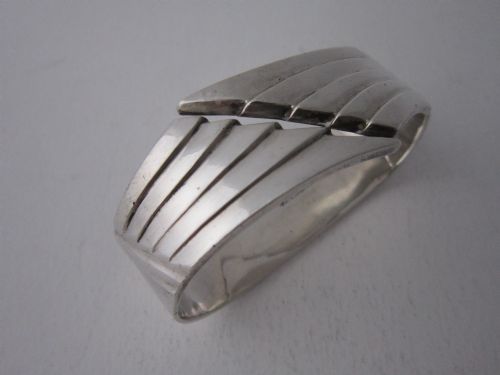
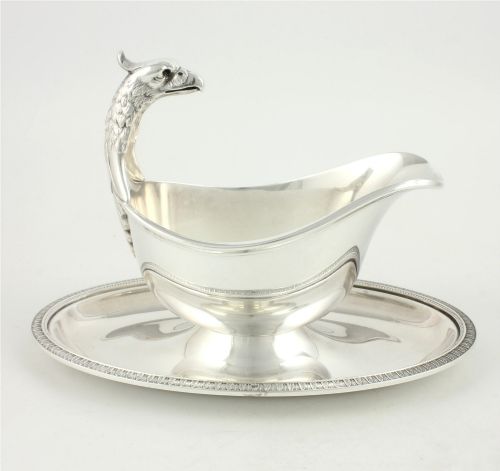
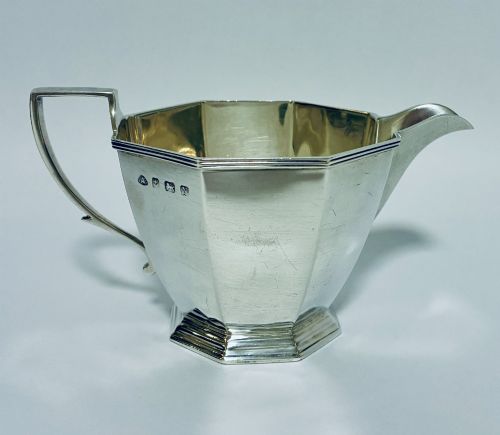
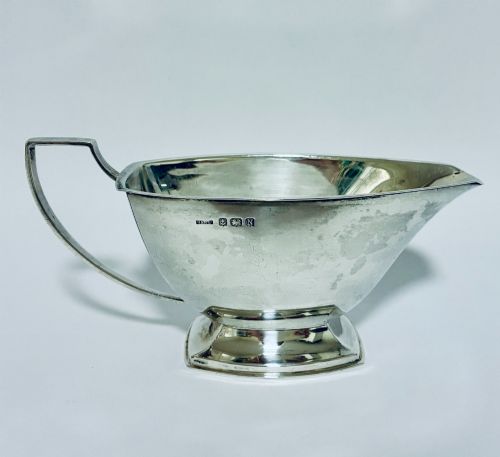
Napkin rings, toast racks, sauce boats, and condiment sets dominate this category. Buyers frequently encounter sterling silver and silver plate versions alongside ceramic pieces and glassware.
Origins stretch across British workshops, French makers, and Scandinavian studios. The selection reflects a period of rapid stylistic transition toward modernism on the dining table.
Materials and Construction
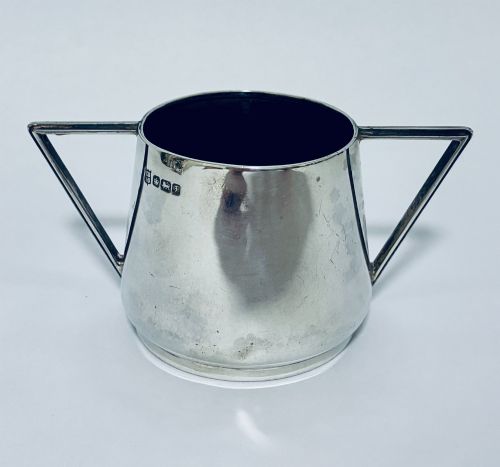
Sterling silver and silver plate form the structural basis for much of this tableware, shaped through casting, stamping, and hand-finishing. Silversmiths utilised clean geometric profiles to define the modern aesthetic of the era.
Glass liners and components appear frequently in condiment sets, dessert dishes, and preserve pots, often paired directly with metal frames. Earthenware pieces rely on hand-painted glazes, particularly within ceramic wares from the period.
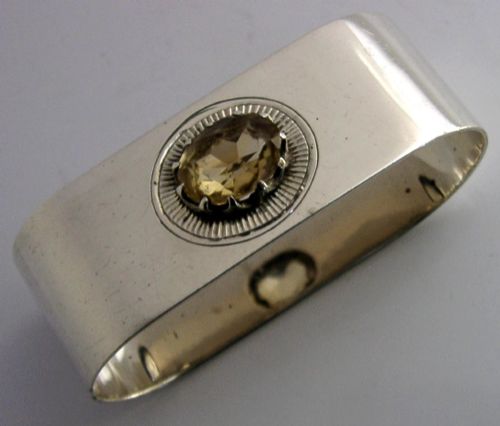
Enamel work and guilloche detailing add colour and contrast to smaller items such as spoons and napkin rings. Bakelite provides durable moulded forms for functional accessories like knife rests.
Twelve bright Bakelite knife rests wait patiently to keep your tablecloth pristine between courses.
Assessing Quality and Execution
Subtlety of proportion and weight separate standard production items from masterworks of the period. Heavier gauge silver provides a reassuring balance in the hand, whereas lighter pieces lack substantial presence.
Precision in the application of enamel and hand-painted ceramic motifs dictates the artistic success of decorated items. Crisp casting lines on metalwork indicate superior tooling and skilled workshop execution.
The integrity of secondary materials, such as undamaged cobalt glass liners fitted precisely to silver frames, contributes significantly to overall quality.
R. E. Stone·Christofle Gallia·William Neale·Mappin and Webb·Georg Jensen·Viners·Keith Murray·Walker and Hall·Rene Lalique·David Andersen·Clarice Cliff
The Art Deco Tableware Glossary
- Sterling silver
- An alloy containing 92.5 percent silver by mass, widely used for high-end tableware and marked with official hallmarks indicating standard purity.
- Silver plate
- A base metal coated with a thin layer of silver, offering an accessible alternative to solid silver whilst maintaining a bright reflective finish.
- Guilloche
- A decorative technique where a precise repetitive pattern is mechanically engraved into metal beneath a translucent layer of enamel.
- Toast rack
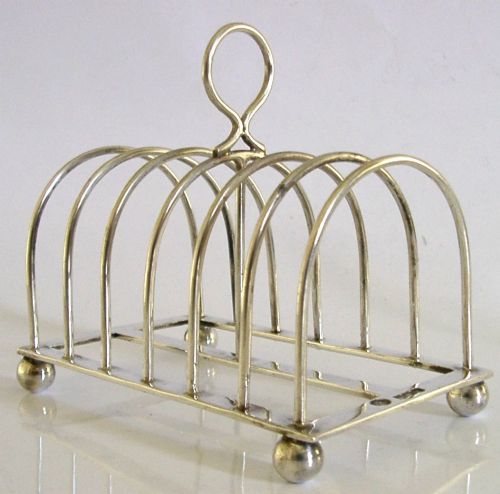
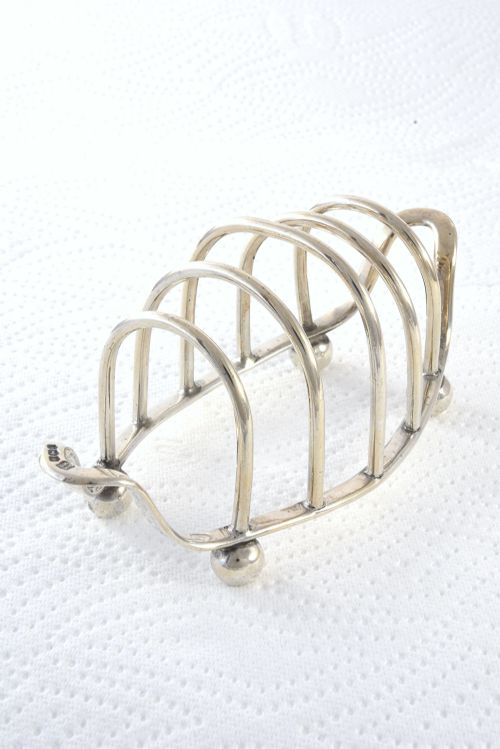
- A small table accessory featuring vertical metal loops designed to hold slices of toast upright and prevent them from becoming soggy.
- Bizarre
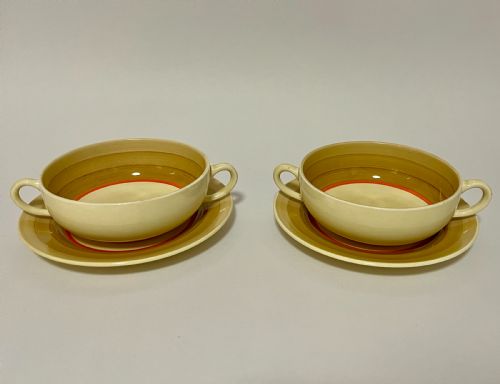
- A vibrant, hand-painted ceramic style characterised by bold geometric or abstract patterns applied to earthenware forms during the period.
Art Deco Tableware: Frequently Asked Questions
How do I clean antique silver tableware?
Use a soft microfiber cloth with a dedicated silver polish to remove tarnish gently without damaging the metal surface.
Avoid abrasive scouring pads or harsh chemical dips that strip away original patina and fine details.
Can I use these items daily?
Many solid silver and plated pieces remain sturdy enough for regular use at the dining table.
Careful hand washing preserves delicate components like glass liners and enamel work far better than automated dishwashers.
How do I identify the date of manufacture?
British silver items carry standardised hallmarks indicating the assay office, standard mark, and a specific date letter.
Stylistic cues such as strict geometric motifs and streamlined forms also point towards the interwar production period.
What is the purpose of a toast rack?
Toast racks keep freshly made toast crisp by allowing air to circulate around individual slices.
They sit in the centre of the breakfast table as a practical serving accessory.