



George V Silver Dish
When collectors seek a george v silver dish, they find functional table silver spanning the early twentieth century alongside earlier Georgian and Victorian examples.
George V Silver Dish
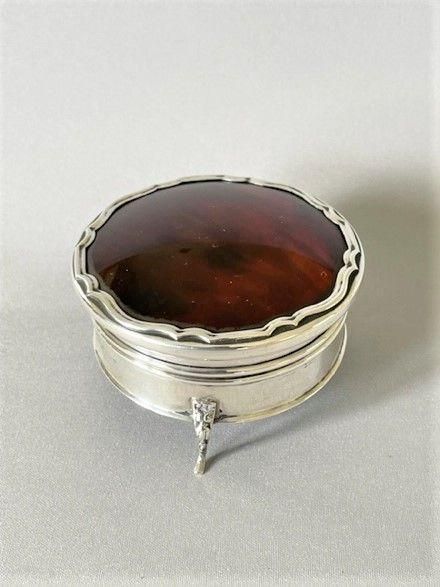
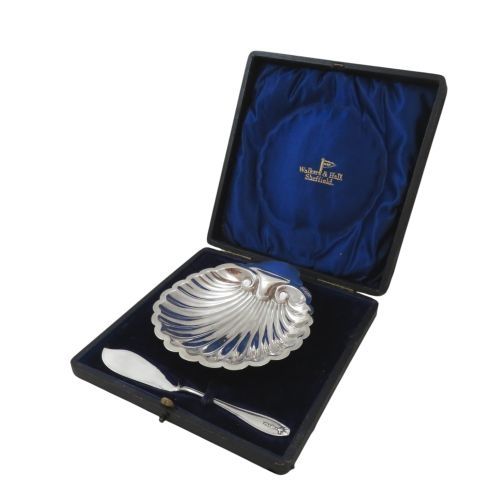
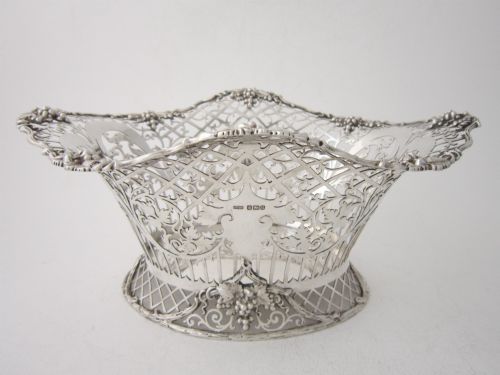
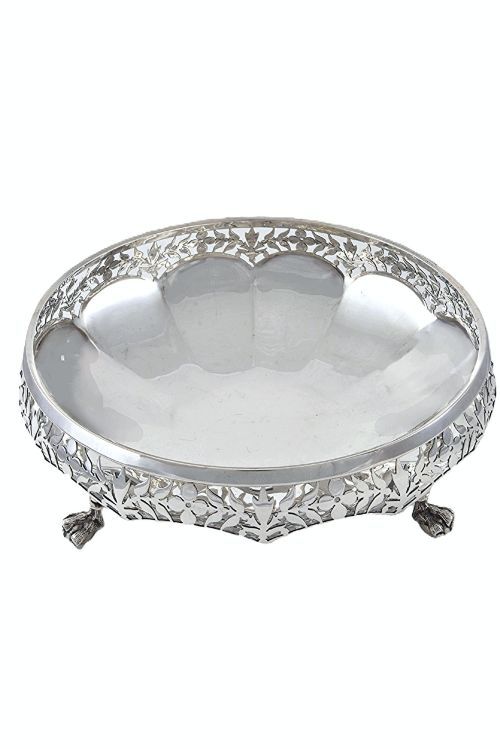
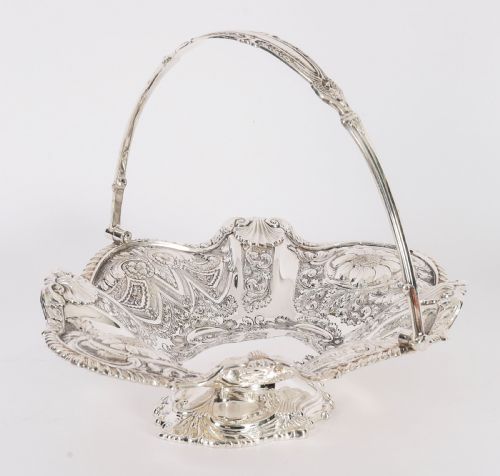
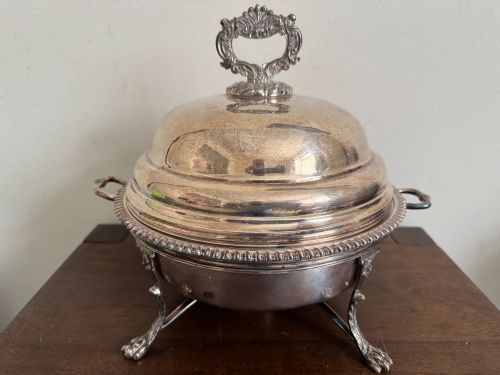
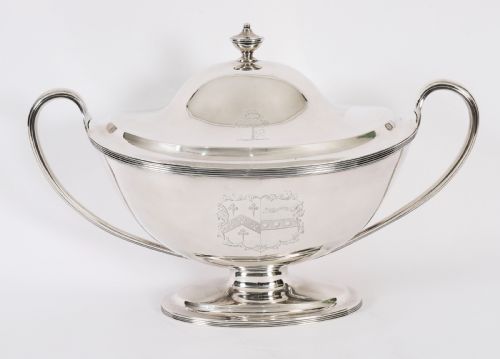
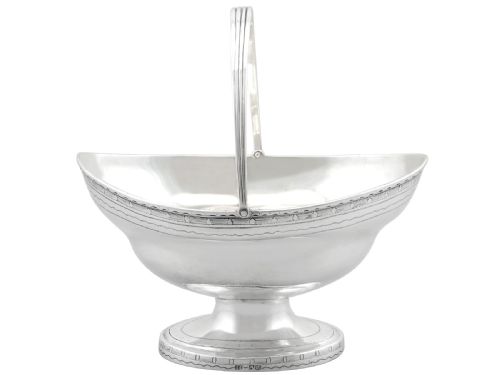
A george v silver dish encompasses a diverse group of table wares, centrepieces, sweetmeat vessels and butter dishes produced during the reign of King George V, alongside related examples from Georgian and Victorian periods. Buyers encounter forms ranging from small trinket trays and shell-shaped butter dishes to large pierced bonbon bowls and pedestals.
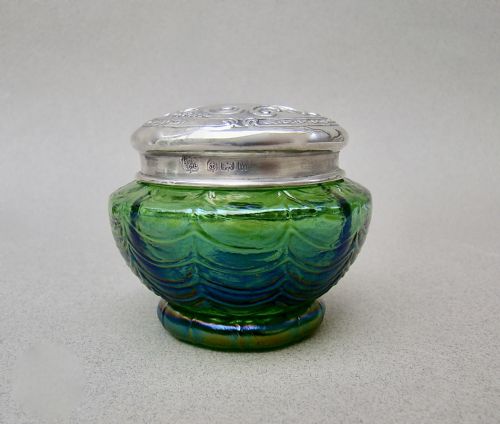
Many items incorporate glass liners, tortoiseshell accents or coloured glass inserts, demonstrating the collaborative craftsmanship of silversmiths and glassmakers of the era. The selection draws on styles extending from traditional Georgian motifs to Art Deco and Arts and Crafts designs.
While many pieces date directly to the early twentieth century, the broader category includes eighteenth-century butter shells and patens, offering buyers a wide chronological spectrum of British silver manufacturing.
How they were made
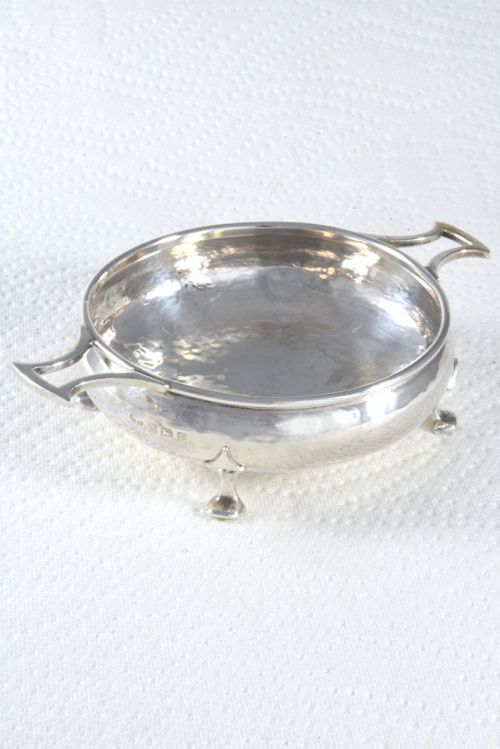
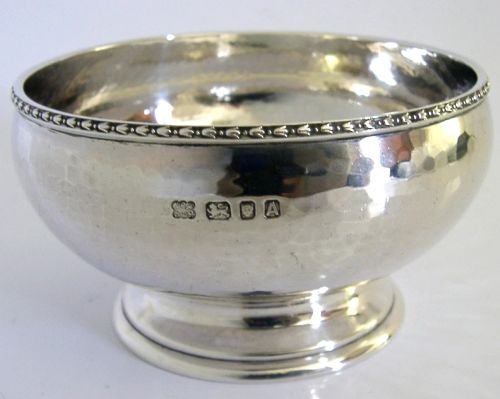
Silversmiths utilised sterling silver and silver plate, frequently combining the metal with cut glass, frosted glass, or Kralik glass inserts for butter and bonbon dishes. Workshops employed techniques such as piercing, planishing and hammering, particularly evident in Arts and Crafts pieces of the period.
Hollowware items like baskets, tazza dishes and centrepieces required specialist forming, casting and soldering methods, often finished with engraved details or applied cast borders.
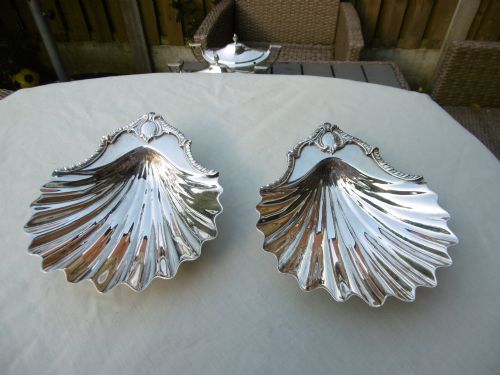
Some butter dishes take the literal form of fluted scallop shells, letting butter swim in historical style.
What varies in quality
The distinction between standard production items and finer pieces rests upon the crispness of the hallmarks, the depth of hand-hammered planishing, and the quality of any associated glass components. Maker attribution plays a significant role, with pieces bearing the marks of established silversmiths or retailers commanding greater attention.
Overall weight, gauge of silver, and the preservation of delicate pierced work or engraved decoration further separate everyday domestic wares from high-end display items.
A. J. Pepper & Co·George W. Scott & Sons Ltd·William Plummer·Robert Breading·George Cooper·William Garrard·Peter and Anne Bateman·Viners·Samuel Hennell·Henry Williamson Ltd·George Fox·Walter Brind·William Grundy·Birchall and Hayne·Mappin & Webb·Edward Souter Barnsley·George Burrows·Jay's
The George V Silver Dish Glossary
- Sterling silver
- An alloy consisting of 92.5 percent silver and 7.5 percent other metals, chiefly copper, established as the standard for British plate.
- Bonbon dish
- A small decorative vessel designed specifically to hold sweets or confections, frequently featuring pierced or footed designs.
- Planishing
- A smithing technique involving light hammer blows applied with a polished hammer to smooth and shape metal while hardening its surface.
- Tazza
- An ornamental pedestal plate or shallow bowl raised upon a foot, used historically for serving small items.
- Quaich
- A traditional Scottish two-handled drinking vessel or shallow bowl, occasionally rendered in sterling silver during the twentieth century.
George V Silver Dish: Frequently Asked Questions
How were silver dishes used?
These vessels served various functions at the dining table and in private chambers, holding butter, sugar, bonbons, or fruit.
Smaller examples acted as trinket trays or pin dishes on dressing tables, while larger footed bowls functioned as centrepieces.
What styles characterise George V silver?
Pieces from the reign of George V display a transition from Edwardian elegance towards geometric Art Deco lines and textured Arts and Crafts surfaces.
Many workshops also reproduced traditional Georgian and eighteenth-century forms alongside contemporary modernist designs.
How do I identify a George V piece?
British hallmarks stamped into the metal provide the definitive guide to dating and provenance, showing assay office marks, date letters, and maker's initials.
The sovereign's head mark or specific date letters corresponding to the years between 1910 and 1936 pinpoint the exact period of manufacture.
Can I use silver dishes daily?
Sterling silver items tolerate regular domestic use provided they receive proper care, hand washing, and appropriate storage to prevent tarnish.
Pieces incorporating fragile elements like glass liners or tortoiseshell require more careful handling during cleaning and dining.