


Vintage Silver Sweetmeat Dish
A vintage silver sweetmeat dish is a small ornamental vessel for confectioneries, bringing period elegance to a table.
Vintage Silver Sweetmeat Dish
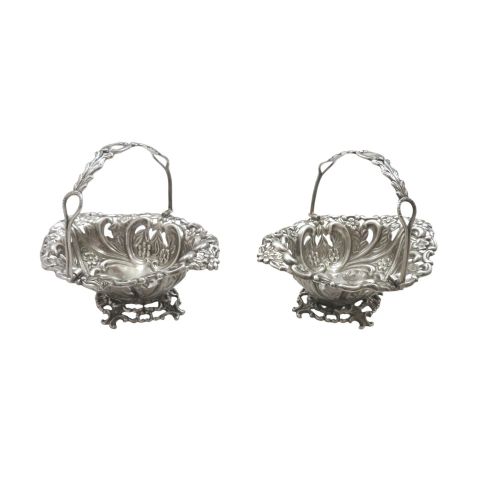
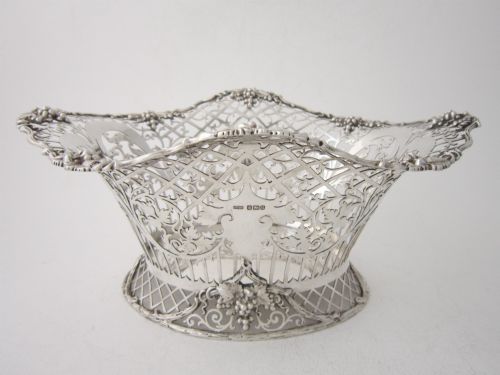
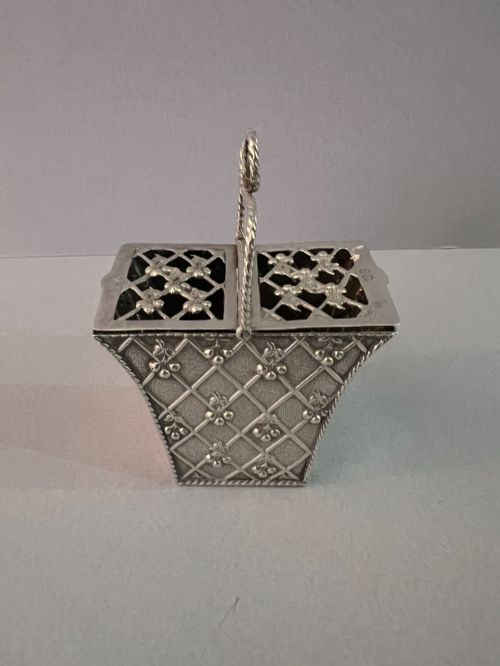
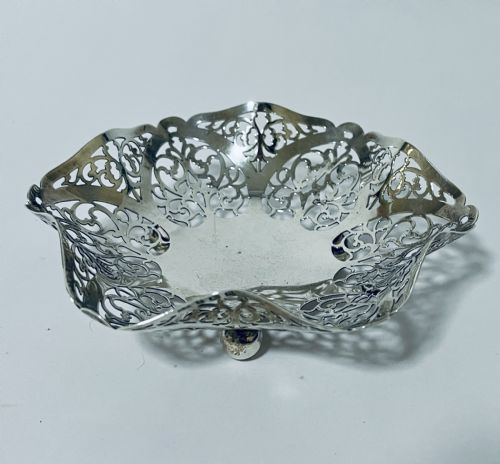
A vintage silver sweetmeat dish typically takes the form of a small decorative basket, bonbon dish, or pierced bowl designed for serving sweet treats. You will frequently encounter examples from the Edwardian period and the 1930s, alongside Victorian and George V pieces.
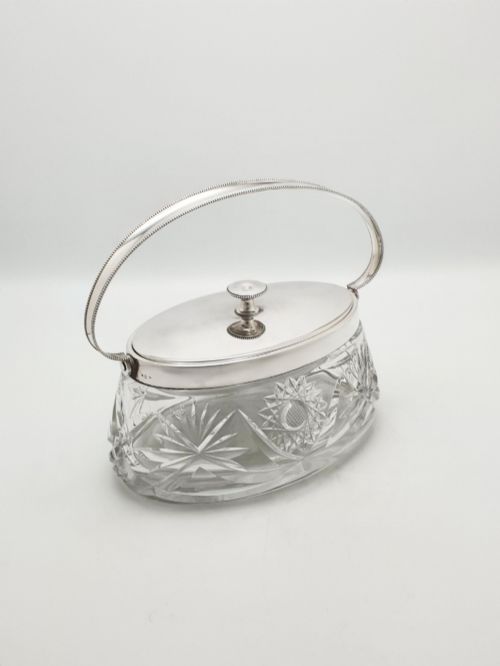
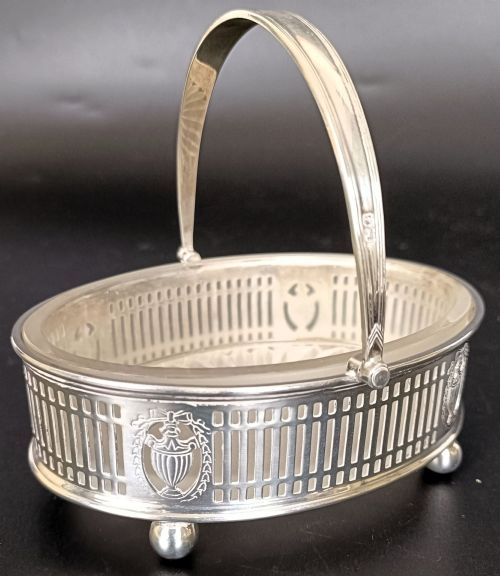
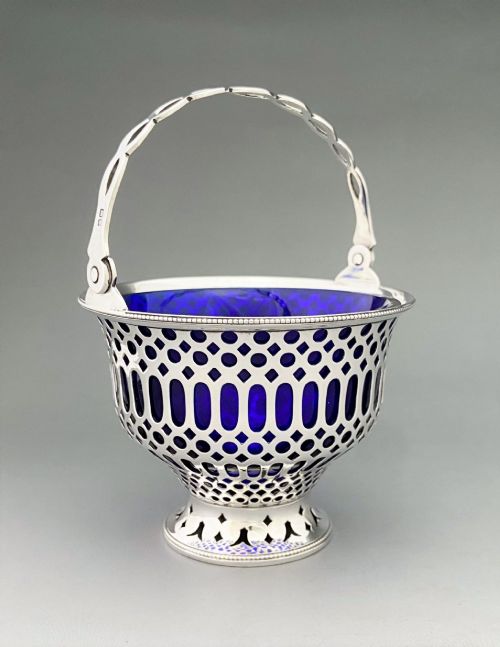
The objects span styles including Art Nouveau, Art Deco, Neoclassical Revival, and Jugendstil. Formats range from swing-handled oval baskets and footed lattice bowls to glass vessels encased in silver or paired with cut glass.
Makers and designers of the period produced these sweet dishes in sterling silver and silver plate, sometimes incorporating materials such as cobalt glass, tortoiseshell, cane, and cut glass.
Materials and construction
Silversmiths utilised sterling silver and silver plate for the primary structure, employing piercing, lattice work, and casting techniques to shape bowls and swing handles.
Glass components, including cut glass and cobalt blue glass, were integrated directly into silver frames or encased within metalwork.
Select pieces incorporate organic materials like tortoiseshell and cane alongside metal elements to create contrast.
Some delicate Edwardian baskets feature movable swing handles designed to fold down neatly, ready for guests to pass around the table.
Distinguishing quality in sweetmeat dishes
The refinement of the piercing and the crispness of the lattice work separate standard production from finer examples. Heavier gauge metalwork and balanced proportions indicate superior craftsmanship.
The integration of secondary materials, such as undamaged cut glass inserts, cobalt glass liners, or tortoiseshell panels, elevates the construction standard of a piece.
Roberts and Belk·Mappin & Webb
The Vintage Silver Sweetmeat Dish Glossary
- Sweetmeat
- A small confection such as a sweet, fruit preserve, or nut. These dishes were specifically manufactured to serve such delicacies.
- Bonbon dish
- A small bowl or basket intended for holding sweets or bonbons. They often feature openwork or pierced decoration.
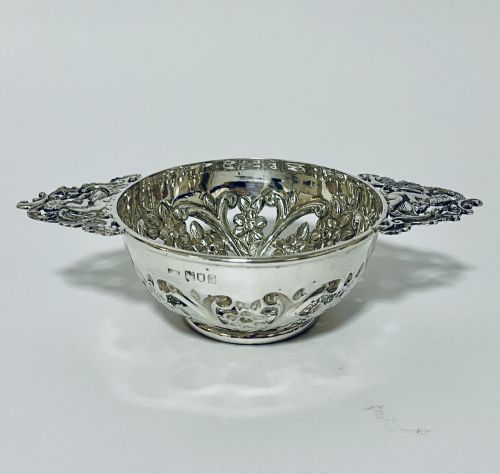
- Quaich
- A traditional two-handled drinking vessel of Scottish origin. Examples are occasionally rendered in silver within this category.
- Swing handle
- A movable handle attached to the rim of a basket or dish via pivots. It allows the handle to lie flat or stand upright.
- Pierced work
- Metal perforated with decorative patterns to create openwork designs. This technique lightens the visual weight of silver bowls.
Vintage Silver Sweetmeat Dish: Frequently Asked Questions
What were sweetmeat dishes used for?
These dishes held small confections, sweetmeats, nuts, or after-dinner treats on the dining table or drawing room sideboard. They served both a functional role in formal hospitality and a decorative purpose.
Over time, their usage shifted as dining habits changed, leaving them today primarily as decorative tableware or collector pieces.
How do I clean a silver dish?
Clean silver using a soft cloth and a dedicated silver polish designed to remove tarnish without harming the metal. Avoid abrasive materials that can scratch the surface.
Take care around inserted glass, tortoiseshell, or cane components to ensure cleaning agents do not damage non-metal sections.
How do I identify an Edwardian piece?
Edwardian silver often displays lightness, elegance, and influences from Neoclassical Revival or early Art Nouveau styles. Hallmarks stamped on the metal provide official assay office marks and date letters.
Consulting standard hallmark reference books will reveal the exact year of manufacture for pieces bearing British assay marks.
Can I use these dishes daily?
Solid silver and silver plate are durable enough for occasional use with dry confections or wrapped sweets. Hand washing is essential to preserve the finish and any delicate glass liners.
Harsh foods or prolonged exposure to moisture can tarnish silver or harm fitted elements like tortoiseshell.