

Hallmarked Sterling Silver Dish
A hallmarked sterling silver dish brings enduring British craftsmanship to the table, offering versatile forms from Edwardian baskets to Victorian bowls.

Hallmarked Sterling Silver Dish
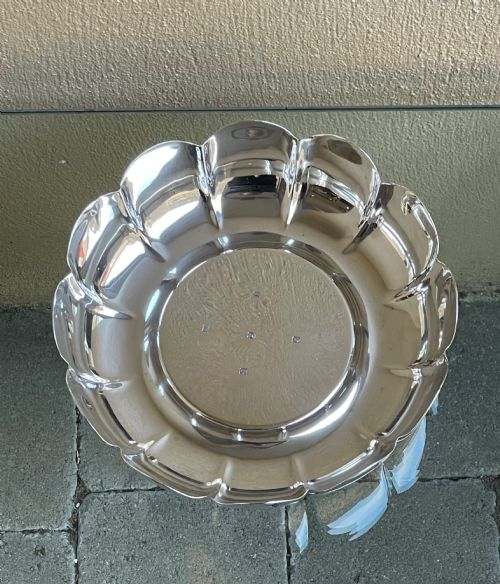
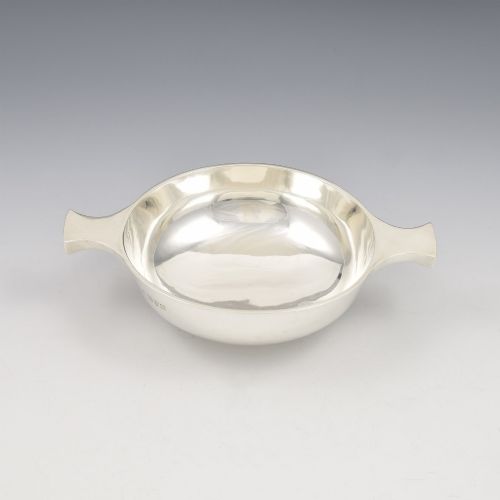
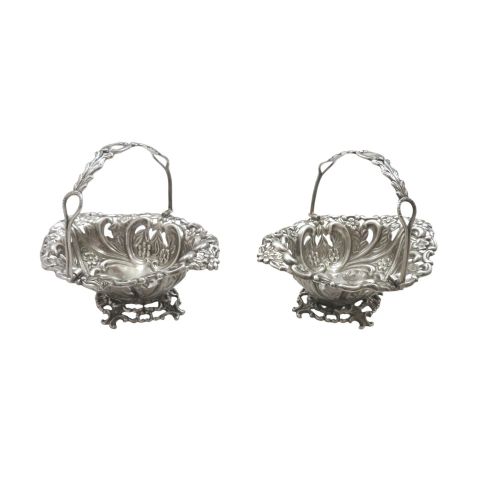
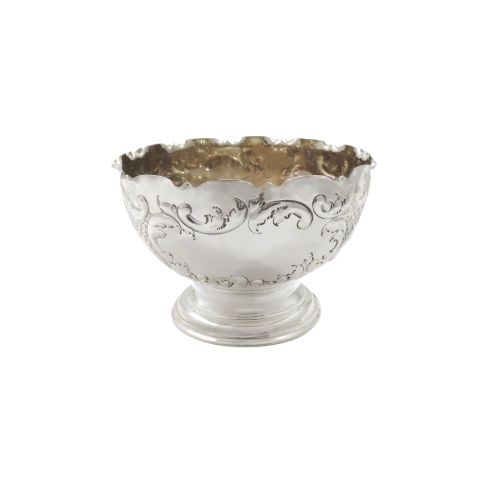
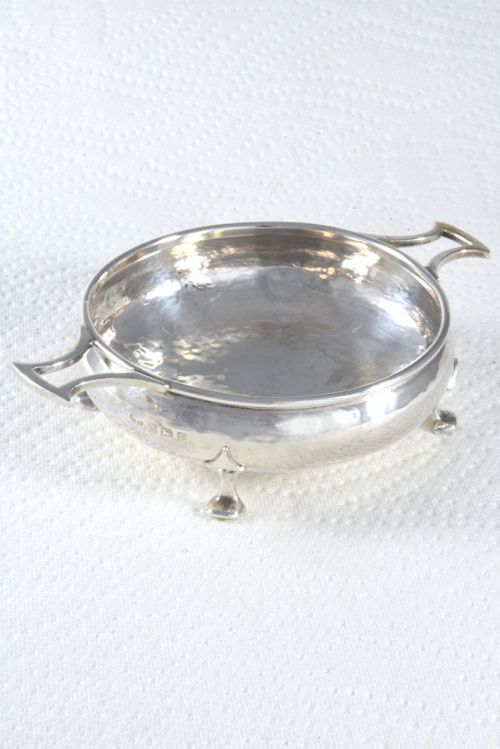
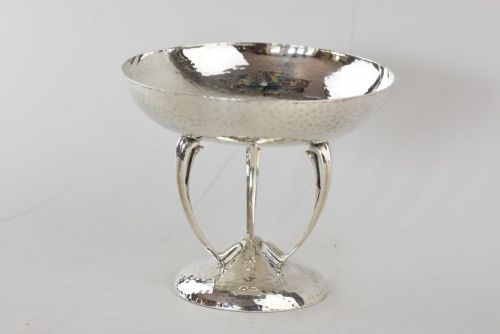
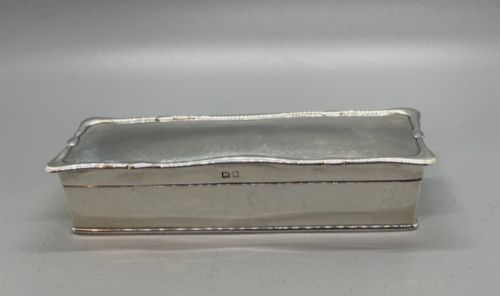
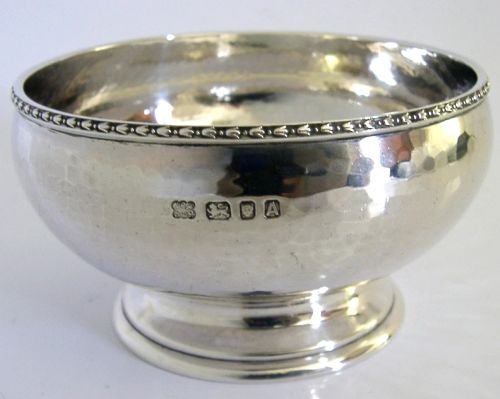
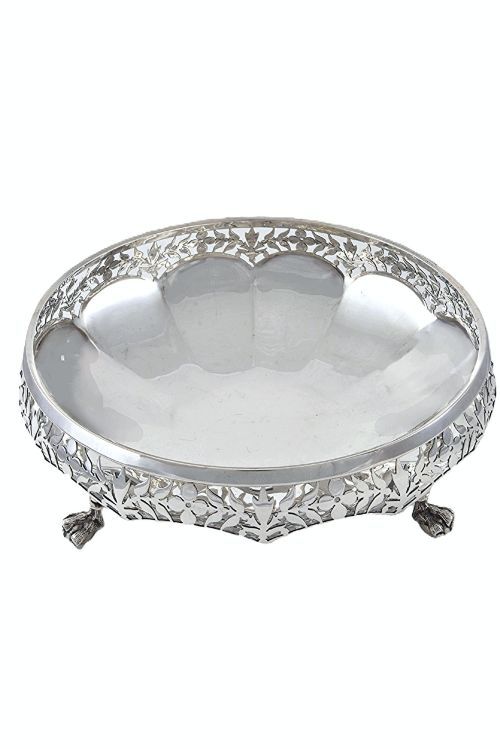
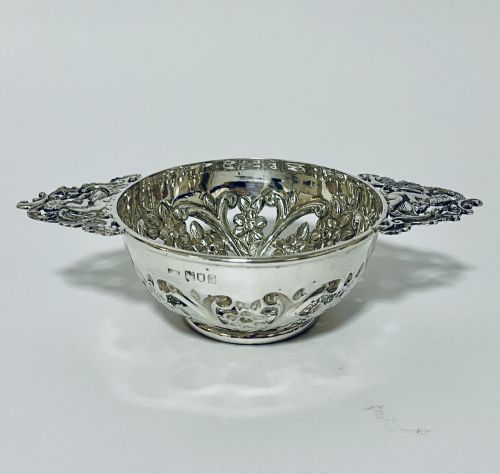
When you search for a hallmarked sterling silver dish, you encounter a diverse range of domestic vessels spanning the Victorian, Edwardian, and mid-twentieth-century periods. These items encompass open bowls, footed tazzas, swing-handled baskets, and small pin trays designed for both utility and display.
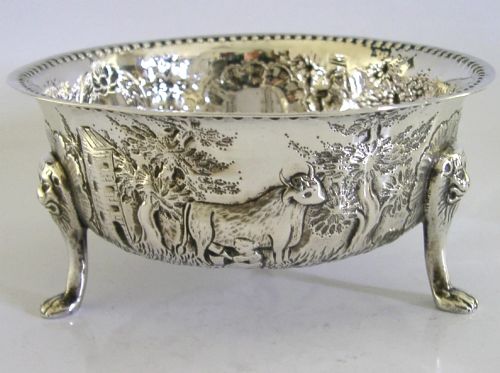
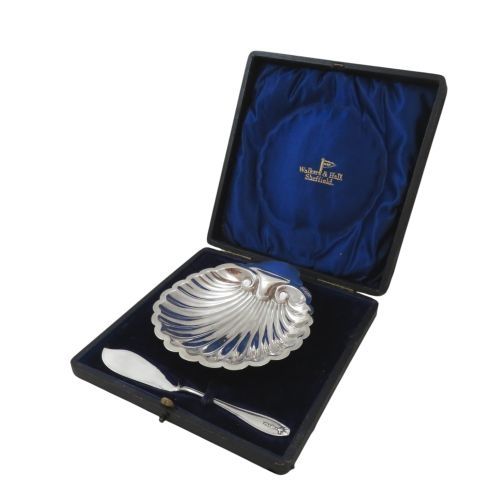
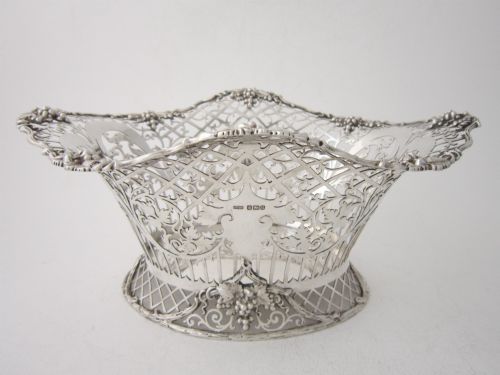
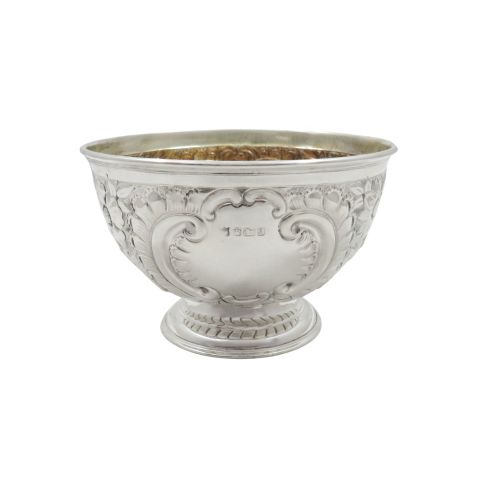
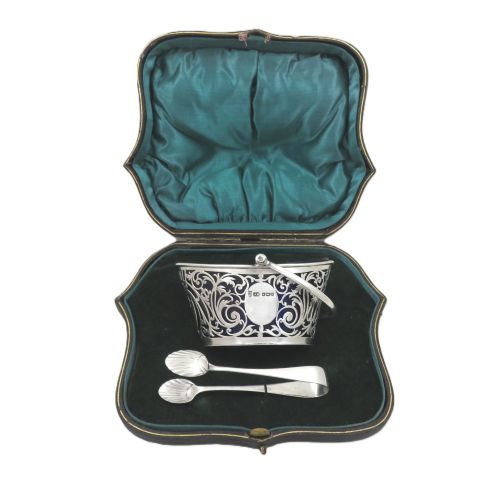
The version you are most likely to meet on this page is an Edwardian or Victorian piece, often featuring pierced decoration or repoussé floral motifs. Makers produced these items in various forms including sugar baskets, butter dishes, and sweetmeat receptacles intended for formal dining and dressing tables.
Originating predominantly from English assay offices in London, Birmingham, and Chester, these pieces reflect the shifting domestic habits of past centuries. They bridge the gap between functional tableware and decorative art, surviving as testaments to period silversmithing traditions.
How they were made
Silversmiths shaped these objects primarily from sterling silver, utilising techniques such as hammering, piercing, and repoussé work to create textured and perforated patterns. Artisans often raised bowls and baskets from flat sheets of metal using specialised stakes and hammers.
Certain pieces integrate contrasting materials like glass, tortoiseshell, velvet, silk, or leather, particularly within fitted trinket boxes and cased butter dishes. Makers secured these elements using traditional bezel settings and internal linings to enhance the tactile quality of the finished object.
Among the offerings, a trompe l'œil cigar ashtray mimics everyday objects with surprising cleverness, challenging the eye before you touch the metal.
What varies in quality
The distinction between standard production and exceptional craftsmanship rests upon the crispness of the chased decoration and the weight of the metal utilised. Superior examples display deep, deliberate hand-hammering or intricate pierced work without distortion to the underlying form.
Maker attribution also dictates standing, as pieces bearing the marks of renowned workshops command greater interest due to their design sophistication. Furthermore, the presence of original fitted cases or integrated glass liners elevates the completeness and historical integrity of the piece.
Nathan and Hayes·Goldsmiths and Silversmiths Company·Robert Pringle and Sons·Peter and Anne Bateman·William Comyns·John Grinsell and Sons·Viners·Theo Fennell
The Hallmarked Sterling Silver Dish Glossary
- Hallmark
- Official stamps struck into precious metals to guarantee purity and origin. These marks typically include the maker's mark, standard mark, assay office mark, and date letter.
- Repoussé
- A metalworking technique where an artisan hammers the design from the reverse side to form a raised relief on the front. This method creates flowing floral and figural scenes.
- Pierced
- Work characterised by cut-out patterns that create openwork lattices or borders in the silver. Silversmiths used saws and small chisels to achieve these delicate decorative frameworks.
- Tazza
- A small, broad-rimmed shallow saucer or bowl raised on a central foot or pedestal. Makers designed these elevated vessels to present sweets and fruit at formal gatherings.
Hallmarked Sterling Silver Dish: Frequently Asked Questions
What is a sterling silver dish used for?
These vessels served various domestic purposes across the dining room and dressing table, holding sugar, butter, sweets, or small personal trinkets. Their precise function often depended on their depth and whether they included fitted glass liners or specialised handles.
Over time, many transitioned from active dining service into decorative display pieces. Today, collectors utilise them in much the same way, placing them on sideboards or console tables to hold everyday accessories.
How can I tell an Edwardian dish from a Victorian one?
Distinguishing between these eras relies heavily on the assay office date letters stamped alongside the sterling silver hallmarks. Stylistic cues also offer guidance, as Victorian pieces frequently lean towards heavier, ornate Rococo revival forms, while Edwardian examples often embrace lighter floral motifs or early arts and crafts simplicity.
Examining the manufacturing techniques reveals further clues about the period of origin. Pierced and repoussé work evolved in delicacy and execution as tastes shifted from the late nineteenth century into the early twentieth century.
How do I care for antique silver dishes?
Maintenance involves gentle cleaning with specialised silver polish and a soft cloth to remove tarnish without abrading the metal surface. Avoid harsh chemical dips, which can strip away the subtle patination accumulated over decades of existence.
When storing or displaying these objects, keep them away from direct sunlight and damp environments to protect any integrated materials like tortoiseshell, silk, or velvet. Regular handling helps maintain a natural, glowing finish on the silver.
Why do some dishes have glass liners?
Makers incorporated glass inserts into items like butter dishes, jam pots, and sweetmeat baskets to protect the silver from corrosive food acids. These liners ensured that sticky preserves or salty butter did not pit or stain the precious metal base.
Original glass liners significantly enhance the completeness of a cased or open serving dish. They remain removable for straightforward washing after use.