


Edwardian Sterling Silver Baskets
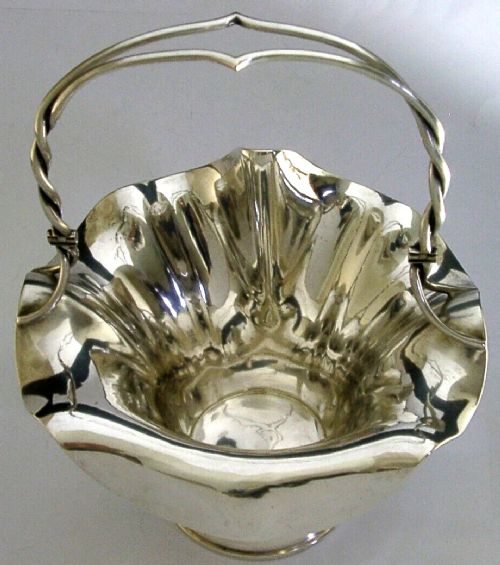
Edwardian sterling silver baskets are decorative and functional vessels crafted in precious metal, offering elegant craftsmanship that suits modern display or table use.
Edwardian Sterling Silver Baskets
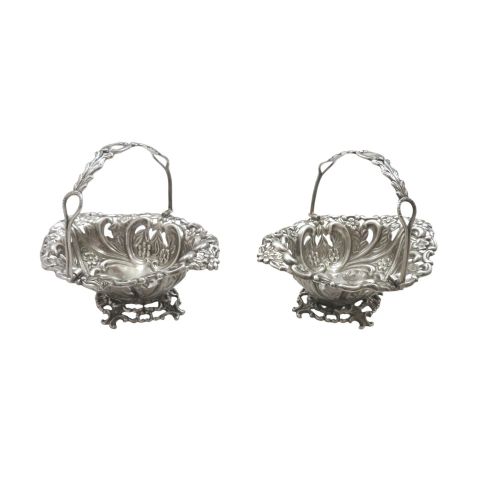
When searching for edwardian sterling silver baskets, buyers encounter objects ranging from fruit baskets and sugar baskets to bonbon dishes and centrepieces. These items primarily date from the Edwardian period, alongside Victorian and George V examples, reflecting the stylistic shifts of the early twentieth century.
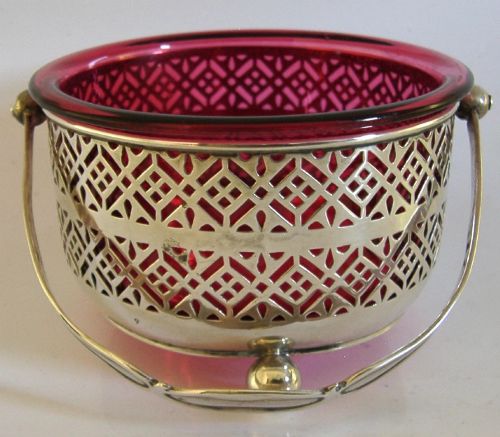
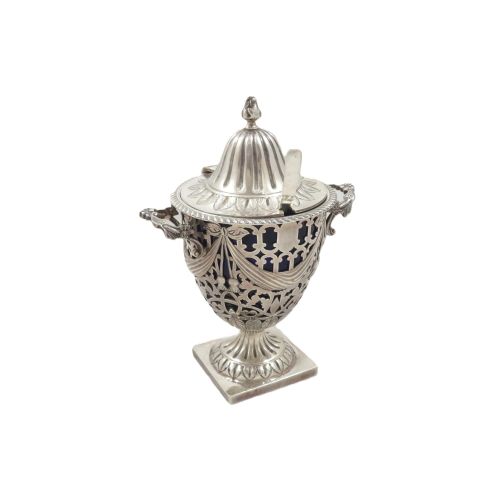
The forms span simple swing-handled designs to footed bowls and lidded urns, with many pieces incorporating contrasting materials like cranberry glass and cobalt glass. Makers utilised solid silver to create both small sweet stands and large serving dishes.
Most items seen here originate from the late nineteenth and early twentieth centuries, capturing the decorative tastes of the era. Buyers frequently find pierced and lattice designs alongside solid metal forms.
Methods and materials in construction
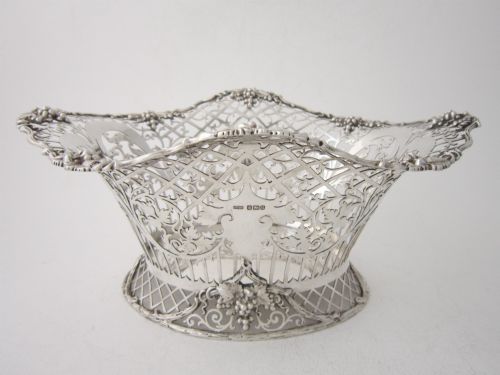
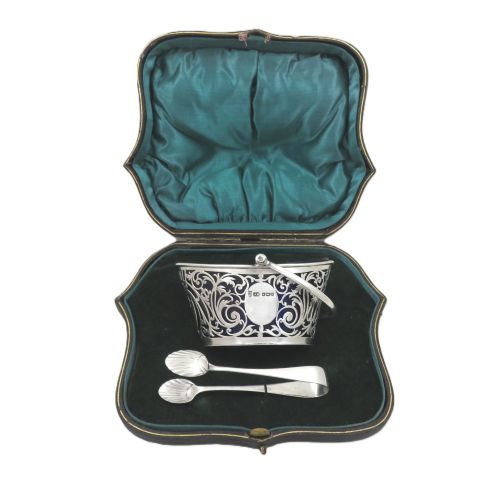
Silversmiths constructed these baskets using sterling silver and solid silver, shaping the metal through intricate piercing, fretwork, and lattice techniques. Skilled artisans employed hand-piercing to create delicate openwork patterns across the body of the vessels.
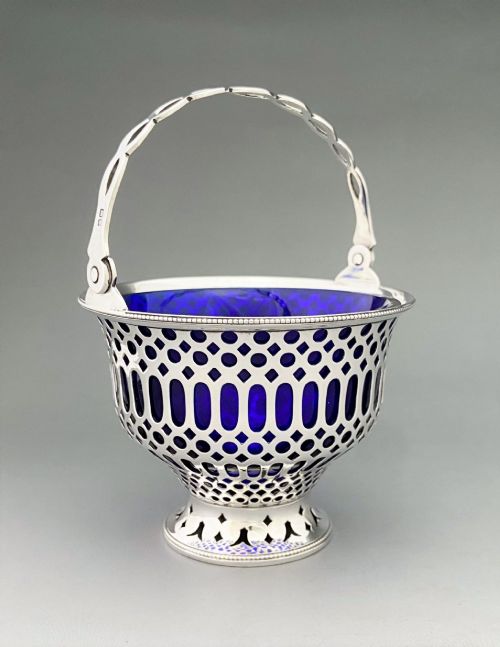
Glass components, specifically cranberry and cobalt glass liners, were combined with silver frames to form swing-handled baskets. Workshops utilised specialised cutting and fitting methods to secure glass inserts within the metal framework.
Some Edwardian sugar baskets required secure little padlocks because sugar was once a luxury commodity precious enough to keep under lock and key.
Distinctions in craftsmanship and design
The distinction between standard and exceptional pieces rests upon the complexity of the piercing work and the weight of the metal utilised. Heavier solid silver items with intricate fretwork demonstrate superior manufacturing effort compared to simpler forms.
The presence of fully intact coloured glass liners and maker-stamped silver components elevates the overall execution. Pieces featuring balanced proportions and detailed handle mechanisms represent the finer tier of the selection.
Joseph Rodgers·Hammond, Creake And Co·William Hutton And Sons·James Dixon And Sons Ltd·Edward H Stockwell
The Edwardian Sterling Silver Baskets Glossary
- Sterling silver
- An alloy consisting of pure silver and other metals, typically copper, standardly used to ensure durability in decorative tableware. This metal standard underpins the majority of items listed.
- Pierced work
- A decorative technique involving the cutting of openings through the silver sheet to form patterns like lattices or scrolls. This method lightens the object while adding visual complexity.
- Swing handle
- A movable arched handle attached to the rim of a basket by pivots, allowing the handle to lower to either side. It appears frequently on fruit and sugar baskets.
- Epergne
- A large ornamental centrepiece featuring a central bowl or basket surrounded by smaller attached dishes for fruit or sweets. These multi-tiered objects dominate grand table displays.
- Bonbon dish
- A small open vessel designed specifically for holding sweets or confectionery items. They often feature footed bases or delicate openwork rims.
Edwardian Sterling Silver Baskets: Frequently Asked Questions
What were silver baskets used for?
These vessels served various domestic functions on the dining table or sideboard, primarily holding fruit, bread, sugar, or small sweets. Sugar baskets often included liners or lids to protect their contents.
Larger forms functioned as centrepieces or pot pourri baskets, combining decorative display with practical utility in wealthy households.
How do I identify an Edwardian silver basket?
Identification relies on examining the hallmarks stamped into the silver, which indicate the assay office, standard, and date letter corresponding to the early twentieth century. Stylistic markers such as Art Nouveau influences or delicate fretwork also point to this era.
Comparing the listed periods and forms helps distinguish Edwardian pieces from earlier Victorian or later George V examples.
Are the glass liners original?
Many surviving baskets retain their original cranberry glass or cobalt glass inserts, which were mouth-blown and fitted specifically to the silver frames. These glass components added colour and protected the metal from acidic foods.
Buyers should inspect the fit and colour consistency to understand the relationship between the glass and the silver basket.
How should I care for silver baskets?
Maintenance involves gentle cleaning with appropriate silver polish to remove tarnish without damaging delicate pierced details or fretwork. Soft cloths prevent scratching the polished surface of the metal.
When glass liners are present, washing them separately with mild soap preserves both the glass and the surrounding silver frame.