
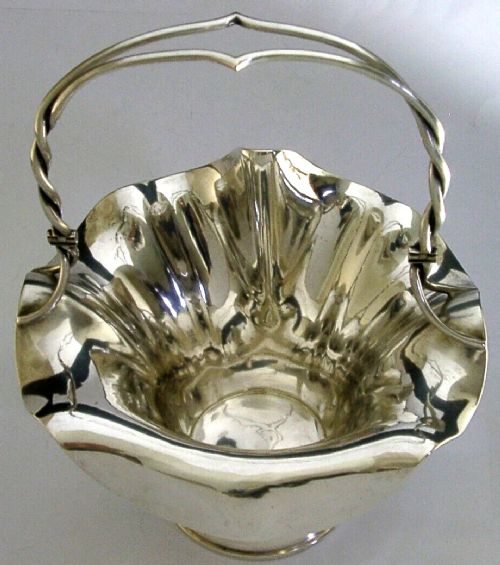
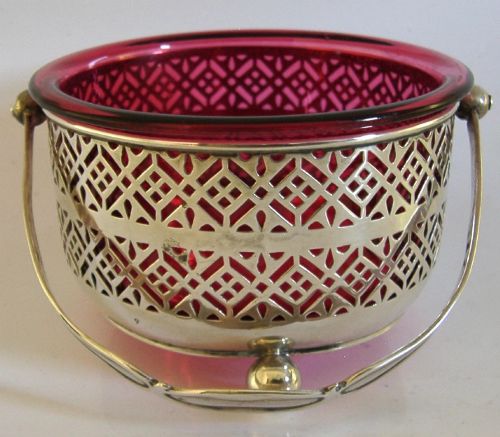
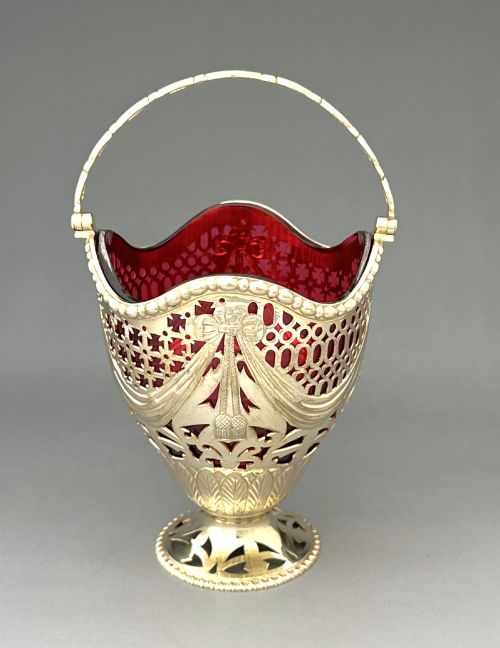
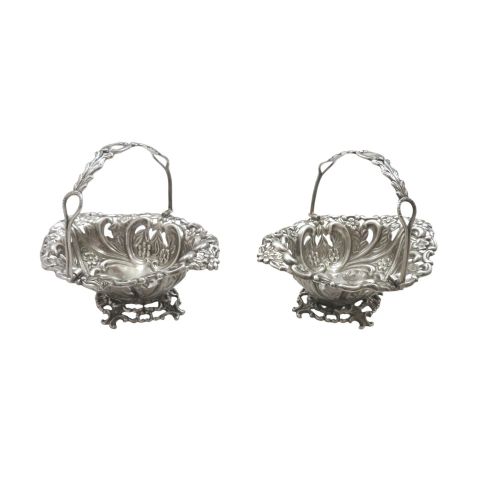


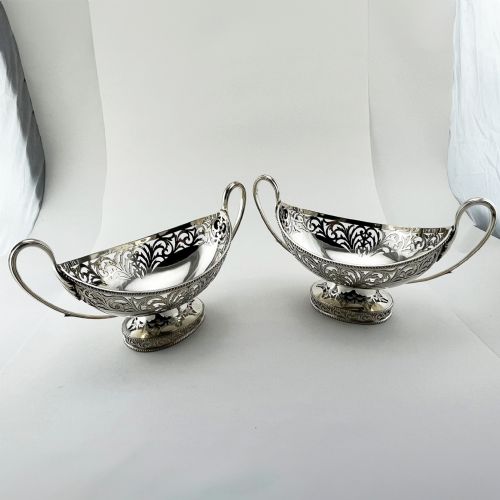
Edwardian Silver Table Basket
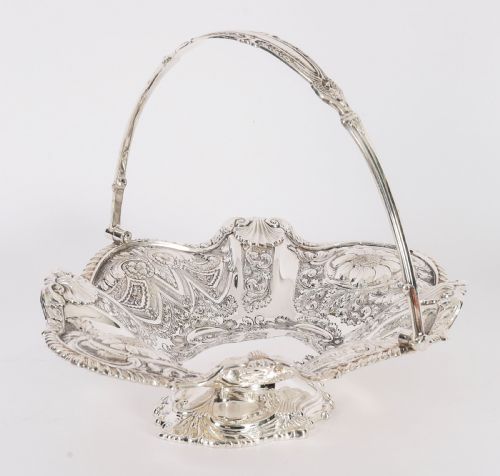
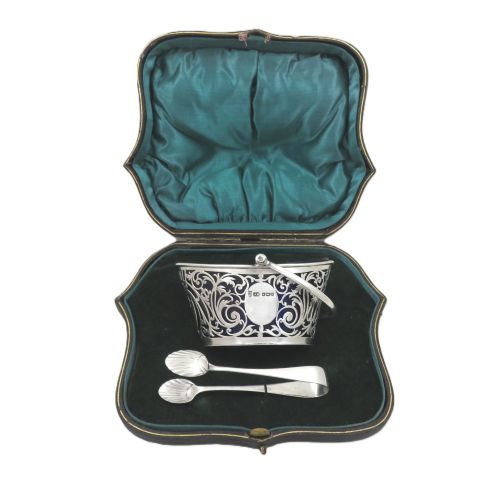
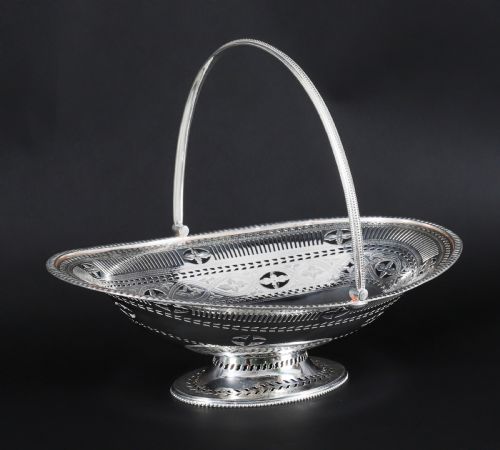
An edwardian silver table basket brings tactile grace to a surface, offering pierced metalwork and bright coloured glass liners.
Edwardian Silver Table Basket
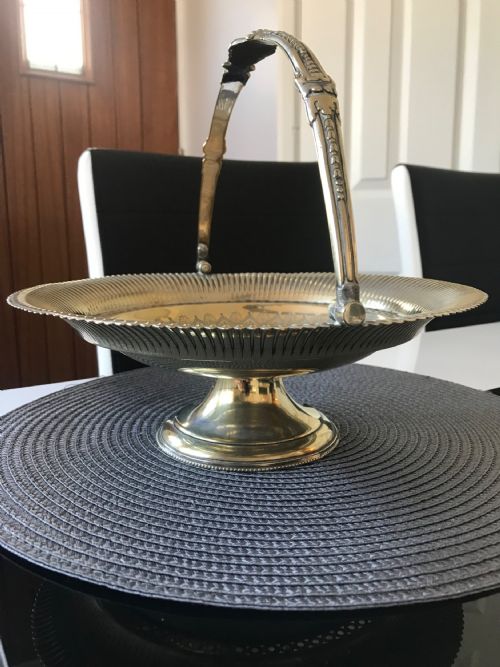
When searching for an edwardian silver table basket, one encounters objects designed for fruit, sugar, bread, or flowers, often sitting upon dining tables or sideboards. The majority stem from the Edwardian period and the early twentieth century, accompanied by Victorian precursors stretching back into the nineteenth century.
Materials and Techniques
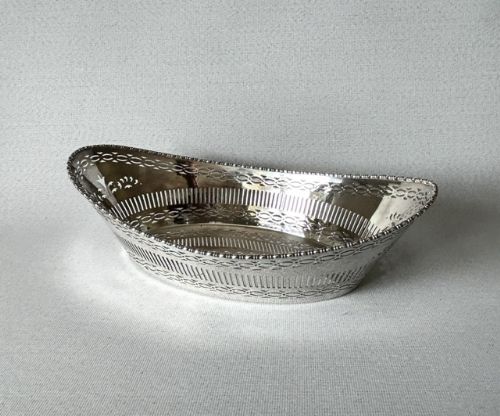
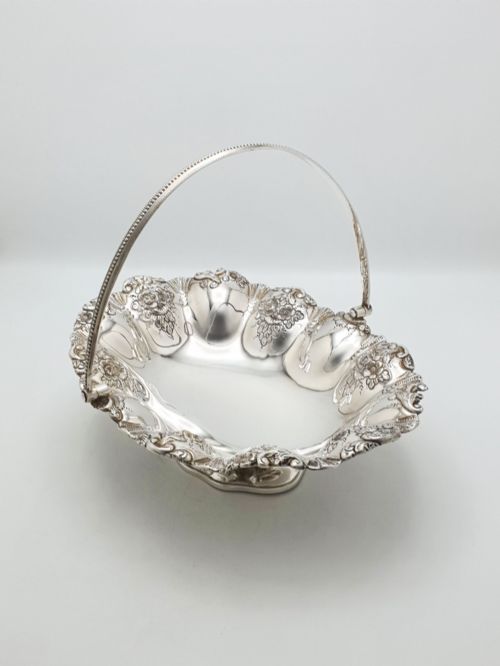
Workshops utilised both solid sterling silver and electroplated nickel silver as foundational metals, shaping them through piercing, fretwork, and lattice techniques to create delicate openwork walls. Repoussé decoration frequently adorns the rims with floral motifs.
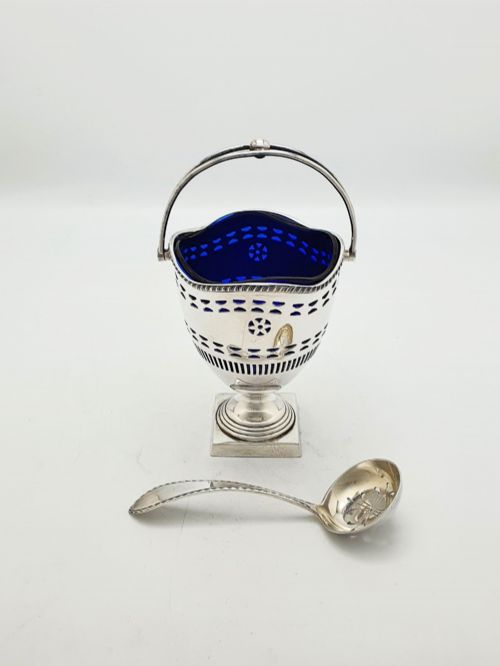
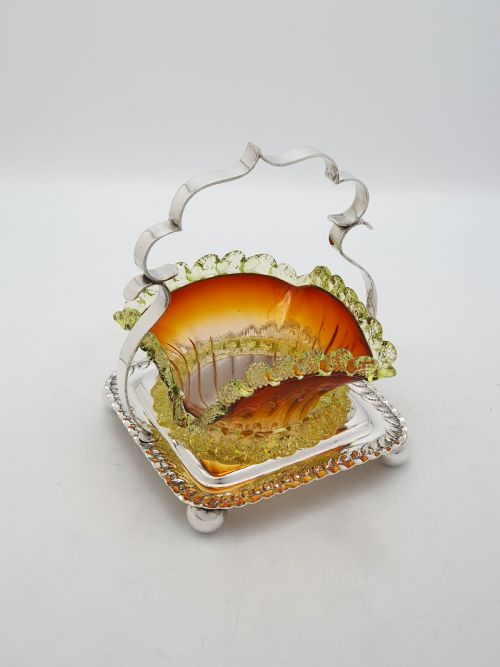
Makers integrated glass liners through skilled glassblowing, cutting, and moulding, pairing ruby, cranberry, and vaseline glass directly with metal frames. Swing handles and reeded mounts completed the structural assembly of these serving dishes.
Art Nouveau and Neoclassical styles dominate the aesthetic range across these nineteenth and early twentieth-century table baskets.
Evaluating Craftsmanship
Quality rests upon the crispness of the pierced fretwork and the structural integrity of the metal framing against heavy glass liners. Pieces displaying intricate hand-pierced lattices and substantial weight demonstrate superior workshop execution.
The harmony between the metalwork and the fitted glass liner dictates the distinction between standard production and exceptional design. Intricate floral repoussé work and fully intact glass inserts elevate the piece considerably.
George W. Scott & Sons Ltd·Mappin & Webb·Elkington·Thomas Bradbury·Joseph Rodgers·Hammond, Creake & Co·William Hutton & Sons·James Dixon & Sons Ltd·William Comyns·Liberty & Co
The Edwardian Silver Table Basket Glossary
- Sterling silver
- A silver alloy containing 92.5 percent pure silver by mass and 7.5 percent other metals, usually copper. This standard alloy provides the durability needed for intricate basket structures.
- Silver plate
- A layer of silver applied to a base metal such as nickel silver or copper. This technique allowed larger centrepieces to be produced at a more accessible cost.
- Piercing
- A metalworking technique where patterns are cut out from sheet silver to form decorative lattice designs. It lightens the visual weight of the basket.
- Repoussé
- A metalworking method in which the metal is hammered from the reverse side to form a raised design in relief. Floral motifs are frequently rendered this way on rims.
- Cranberry glass
- A type of glass coloured by the addition of gold chloride, producing a distinct pinkish-red hue. It appears often in these listings as fitted basket liners.
Edwardian Silver Table Basket: Frequently Asked Questions
What were table baskets used for?
These baskets served practical dining functions, holding fresh fruit, bread, sugar, or sweetmeats during formal meals. They acted as functional centrepieces that doubled as decorative focal points on the dining table.
Over time, their uses adapted to accommodate changing domestic habits, shifting from utility items to ornamental display pieces holding potpourri or floral arrangements.
How should I clean silver baskets?
Maintenance requires gentle cleaning with a soft cloth and specialised silver polish to preserve the delicate pierced details and repoussé relief work. Abrasive cleaners must be avoided to prevent wearing down the silver surface or silver plate.
Glass liners should be removed and washed separately in warm soapy water before being dried and returned safely to the metal frame.
Are glass liners original?
Original glass liners fit snugly into the metal framework and match the period characteristics of the silver or silver-plated basket. Cranberry, vaseline, and cobalt liners were standard pairings for specific serving dishes of the era.
Matching the contours of the glass to the interior dimensions of the basket helps confirm its period authenticity.