


Repousse Silver Serving Dish
A repousse silver serving dish brings heavy metalwork and deep floral relief straight to the dining table.
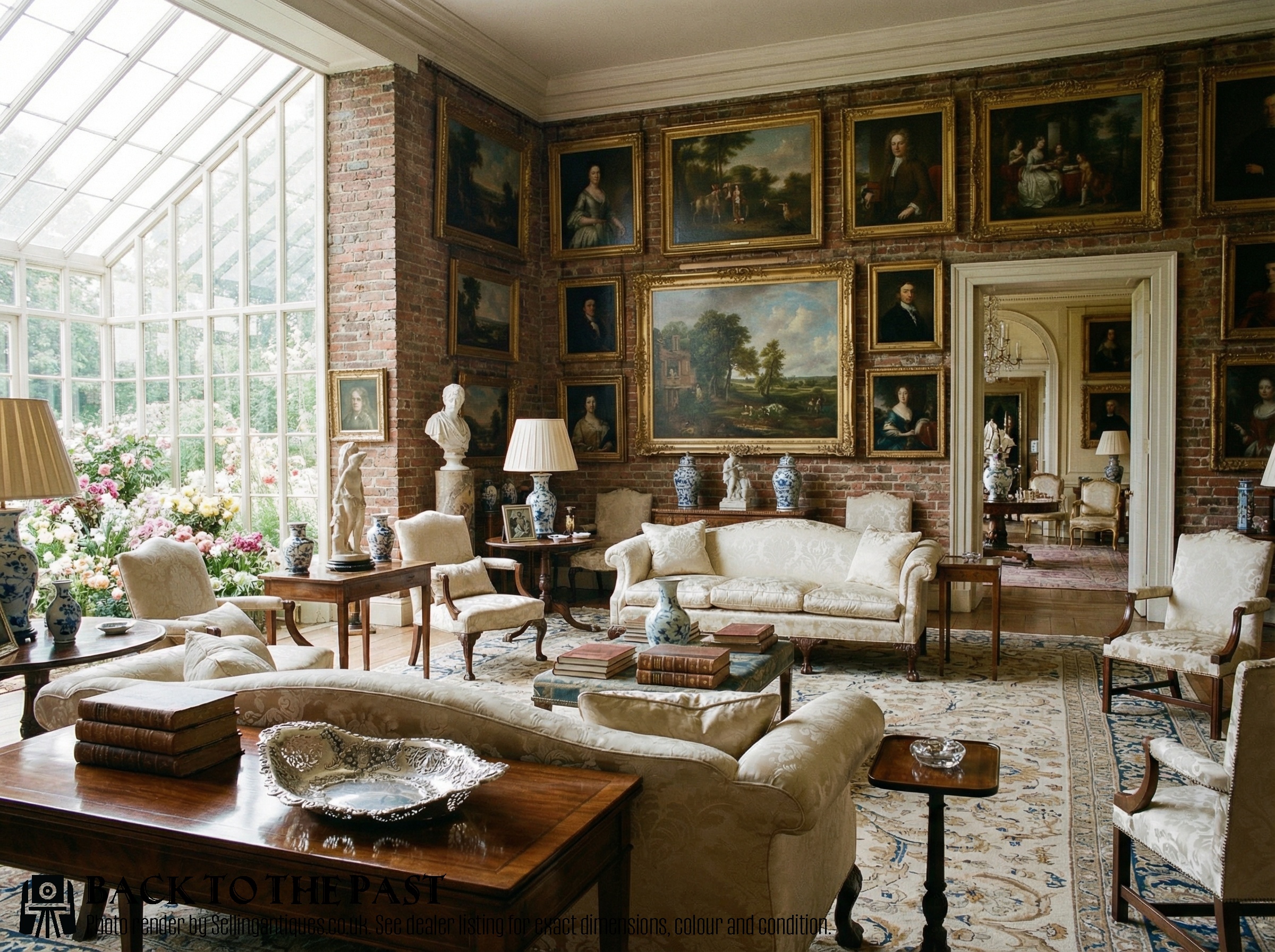
Repousse Silver Serving Dish
A repousse silver serving dish is a heavyweight table vessel adorned with raised ornament hammered from the reverse side. Buyers searching this phrase seek substantial centrepieces for the table, often featuring elaborate floral or botanical motifs across the surface.
The pieces appearing on this page span the Victorian and Edwardian eras, alongside Georgian examples and regional interpretations such as Chinese Export and Anglo-Indian work. Bowls, platters, chargers and oval serving dishes make up the primary forms available.
Solid sterling silver and silver plate both feature prominently across the inventory. Makers such as Martin Hall and Elkington & Co represent the standard of production found in these nineteenth and early twentieth-century pieces.
Materials and construction
Silversmiths utilised sterling silver and silver plate over a base metal to form these substantial serving vessels. Hammering from the reverse side created the characteristic three-dimensional raised patterns that define repousse work.
Piercing and chasing often accompanied the repousse technique to add openwork borders and fine surface detailing. Makers stamped their marks directly into the metal to record the town, assay office and workshop of origin.
Materials span sterling silver, silver plate and unmarked metal across various serving forms.
Factors that separate the finer pieces
The crispness and depth of the hammered relief dictate the visual success of the metalwork. Sharper definition in the floral and foliate chasing separates standard production from superior artistic output.
The weight of the metal and the presence of clear hallmarks or maker attribution add weight to the piece. Substantial gauge silver maintains its structural integrity across large chargers and platters far better than thin plates.
Martin Hall·Elkington & Co
The Repousse Silver Serving Dish Glossary
- Repousse
- A metalworking technique where the artisan hammers the design from the reverse side to create a raised image on the front. This method gives these serving dishes their tactile texture.
- Sterling silver
- An alloy consisting of pure silver and other metals, usually copper, to add durability. Pieces bearing these marks meet a strict standard of silver content.
- Silver plate
- A thin layer of silver applied to a base metal core. This technique allowed larger serving dishes to be produced with the appearance of solid silver.
- Charger
- A large decorative platter used as a base piece or for serving grand courses. These heavy metal plates often display the most elaborate repousse borders.
- Hallmark
- Official stamps applied to precious metals indicating the maker, assay office and year of testing. These marks provide the key to dating each individual dish.
Repousse Silver Serving Dish: Frequently Asked Questions
What is a repousse silver serving dish used for?
These vessels served functional roles on the dining table for presenting food during large Victorian and Edwardian meals. Today they function equally well as decorative centrepieces or display chargers.
Their substantial size and reflective metal surfaces make them ideal for catching the light on a sideboard or dining table.
How do I care for antique silver dishes?
Gentle cleaning with a specialist silver cloth removes tarnish without wearing away the fine details of the raised metalwork. Avoid abrasive pastes that can strip thin silver plating or dull the finish.
Store the pieces away from direct moisture and handle them with clean hands to preserve the original surface condition.
How can I tell solid silver from silver plate?
Solid silver pieces usually carry a full set of official hallmarks stamped into the metal by an assay office. Silver plate items often rely on maker marks that indicate electroplating rather than solid metal standards.
Examining the rim for signs of the base metal showing through can also reveal whether a piece is plated.
When were these serving dishes made?
The majority of pieces date from the Victorian and Edwardian periods, spanning the nineteenth and early twentieth centuries. Earlier Georgian examples from around eighteen hundred also appear alongside later regional work.
Stylistic cues like floral borders and maker stamps help narrow down the exact decade of manufacture.