
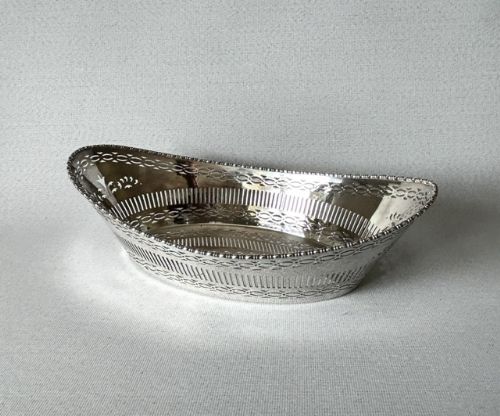


Silver Oval Centrepiece Bowl
These silver oval centrepiece bowl pieces bring striking nineteenth and twentieth-century elegance to a table, combining polished metal with practical serving forms.
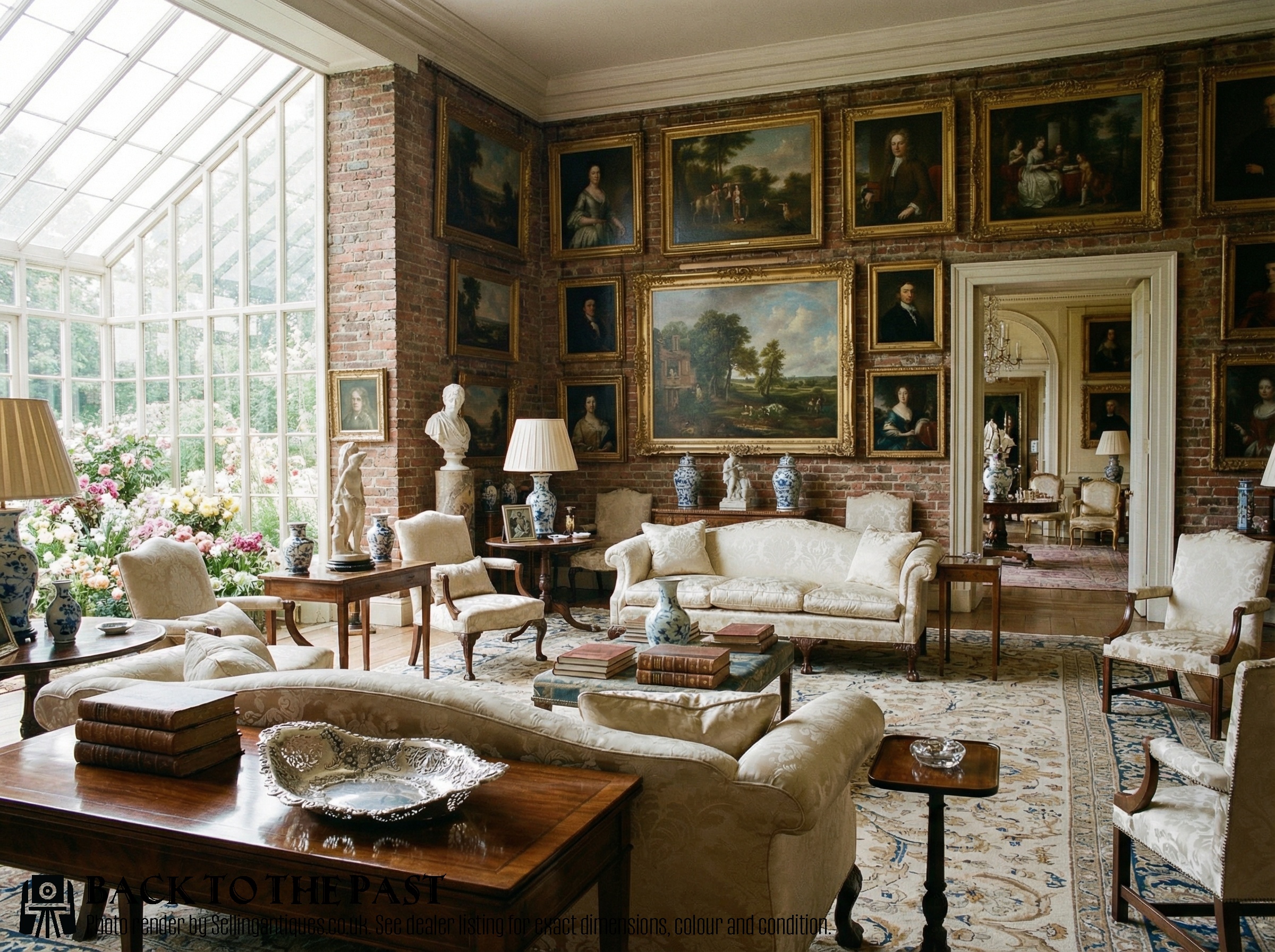
Silver Oval Centrepiece Bowl
A silver oval centrepiece bowl unites decorative presence with utility, appearing across Edwardian, Victorian, and George V periods. You will regularly encounter silver plate, EPNS, and solid silver forms, often accompanied by glass inserts or elaborate piercing.
The objects span multiple functional categories, including serving dishes, bread baskets, and pedestal stands. Chinese Export examples sit alongside British provincial and London-made pieces, demonstrating a rich international range.
Makers such as Mappin & Webb, Walker & Hall, William Comyns, and Martin Hall dominate the physical evidence. These items frequently date from the 1890s through to 1910, reflecting high Victorian and Edwardian dining habits.
Manufacture and materials
Silversmiths utilised solid silver, nickel silver, and silver plate over base metals, applying techniques like piercing and floral engraving by hand. Methods varied from the heavy casting seen in pedestal stands to the delicate fretwork of London and Sheffield pierced baskets.
Glass liners and inserts frequently complement the metalwork, adding weight and tonal contrast to the openwork frames. Stamped maker marks and hallmarks provide strict chronological anchors for pieces spanning the late nineteenth and early twentieth centuries.
The listings show items spanning the Victorian, Edwardian, and George V periods, featuring solid silver, silver plate, and glass combinations.
Judging quality in silver oval centrepiece bowls
Quality rests upon the crispness of the chasing, the depth of floral engraving, and the structural integrity of the pierced lattice work. Thicker gauge metal resists distortion, whereas lighter plated wares show wear on high relief sections.
Maker reputation distinguishes standard commercial production from distinguished workshops like William Comyns or Martin Hall. Pierced silver requires meticulous hand-sawing, meaning the precision of the cut edges directly indicates the maker's skill.
Mappin & Webb·Walker & Hall·William Comyns·Martin Hall·WMF
The Silver Oval Centrepiece Bowl Glossary
- EPNS
- Electroplated Nickel Silver. This designates a base metal coated in a thin layer of silver through an electrical process.
- Pierced work
- Metal perforated with decorative holes to form geometric or floral patterns. This technique demands exceptional hand control from the silversmith.
- Solid silver
- An object constructed entirely from precious silver alloy rather than plated over a base metal. Hallmarks usually verify the specific silver standard used.
- Chinese Export silver
- Items manufactured in China for Western markets during the late nineteenth and early twentieth centuries. These pieces often feature distinctive regional artisan signatures and motifs.
Silver Oval Centrepiece Bowl: Frequently Asked Questions
What is a silver oval centrepiece bowl used for?
These bowls served primarily for presenting fruit, bread, or elaborate dishes at formal dining tables during the Victorian and Edwardian eras. Their raised profile and decorative piercing made them the visual anchor of the table setting.
Today, they function equally well as standalone decorative objects or practical serving vessels for modern dining. Their versatile shapes accommodate floral arrangements just as easily as they hold everyday items.
How do I identify a Victorian piece from an Edwardian one?
Victorian examples often display heavy floral engraving and deep cast ornamentation, reflecting the ornate tastes of the nineteenth century. Makers like Martin Hall and William Comyns typically produced these robust, highly detailed designs.
Edwardian pieces tend to lean towards lighter, airier interpretations influenced by Art Nouveau or refined classical revivals. Maker marks and date letters stamped into the metal provide definitive confirmation of the exact year of creation.
How do I care for antique silver bowls?
Regular, gentle dusting with a soft cloth prevents everyday grime from settling into engraved crevices and pierced decorative gaps. Avoid harsh abrasive cleaners that strip thin plating or soften crisp hand-engraved details.
When polishing solid silver or silver plate, use a reputable cream and rinse with lukewarm water to remove residue. Store the items in dry environments away from direct sunlight to minimise natural tarnishing.