




Pierced Sterling Silver Bowl
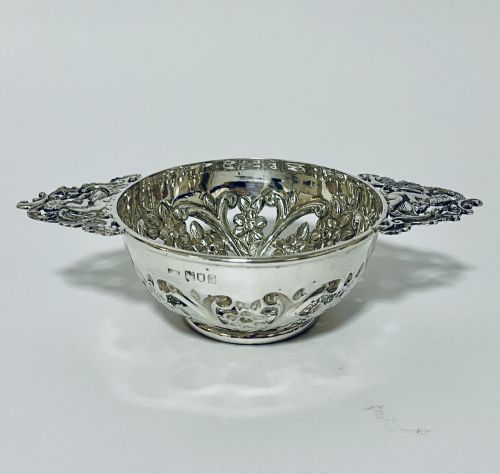
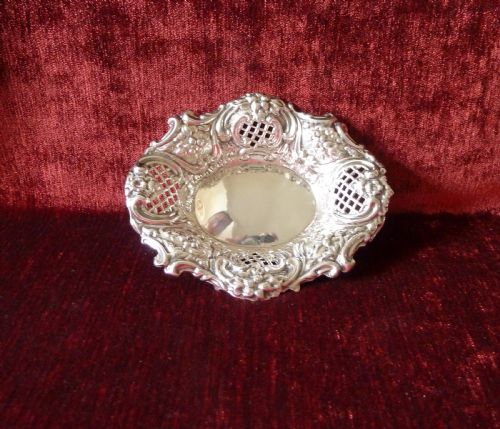
A pierced sterling silver bowl combines structural openwork with precious metal, offering a decorative vessel for fruit or sugar that catches the ambient light.
Pierced Sterling Silver Bowl
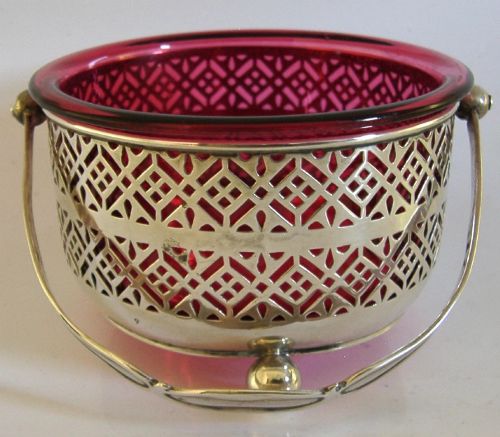
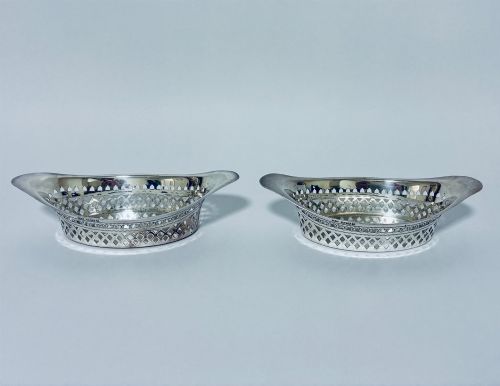
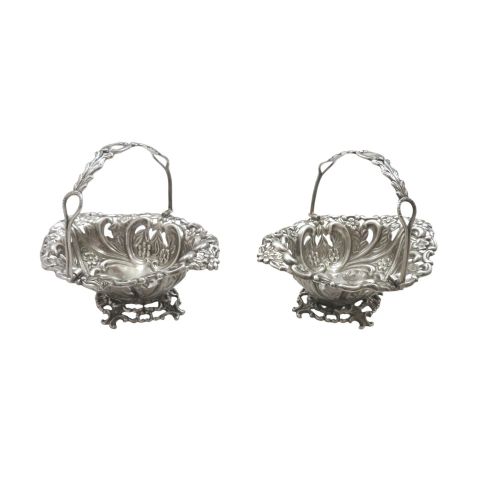
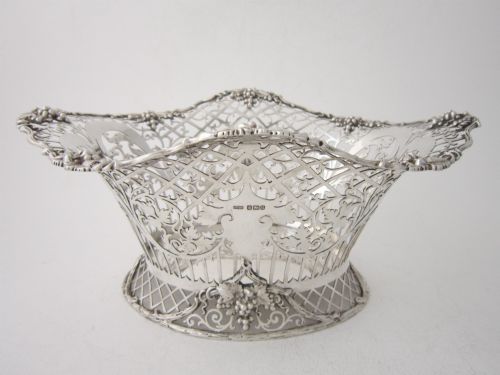
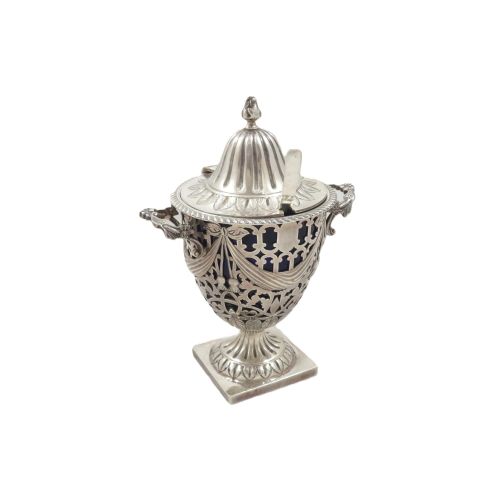
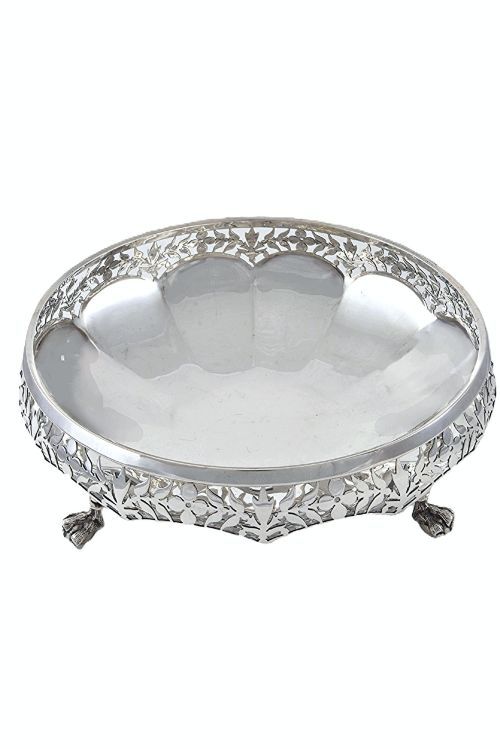
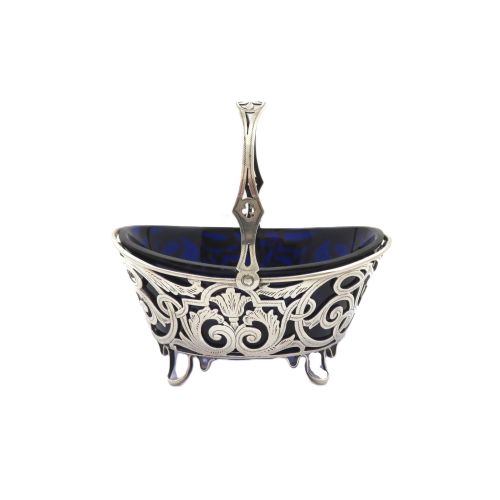
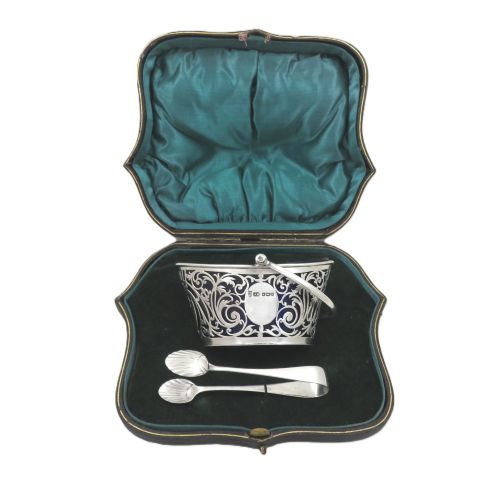
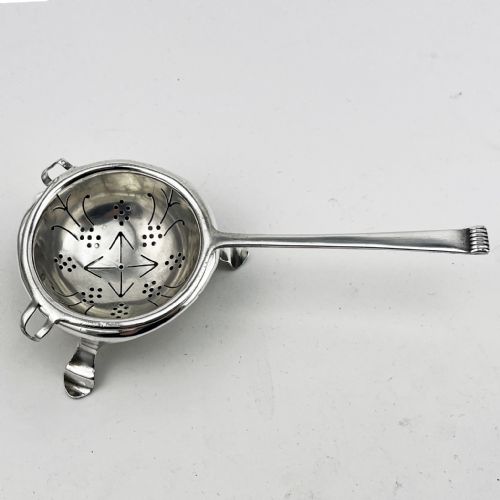
A pierced sterling silver bowl is an openwork vessel designed for domestic display and service, appearing frequently in forms such as baskets, bonbon dishes, and pedestal centrepieces. When exploring this selection, buyers encounter domestic table wares originating primarily from the Victorian and Edwardian eras alongside George V productions. These items range from small sweetmeat dishes to large fruit bowls, often retaining their original coloured glass liners or swing handles.
The historical span extends from the eighteenth century through the interwar period, capturing Georgian cream pails and Chinese Export items alongside standard British hallmarked pieces. Serving dishes and sugar baskets dominate the physical configurations, reflecting the formal dining habits of past decades. The open lattice and fretwork designs serve to lighten the visual mass of solid metal while displaying contents placed within.
How they were made
Makers produced pierced sterling silver bowls using a combination of piercing, sawing, and hammering techniques on solid silver sheets, frequently supported by cast handles, feet, or rims. Piercing involved hand-sawing intricate lattice and fretwork patterns through the metal, or utilising punch presses for repetitive geometric motifs. Many examples integrate coloured glass liners in cobalt, cranberry, ruby, or clear glass, contrasting with the polished metal exterior.
The structural integrity of these openwork designs depended on adequate gauge thickness to prevent distortion during use. Cast floral elements and swing handles were soldered to the pierced bodies, while makers applied hallmarks to verify the sterling standard using official punch marks indicating assay offices such as London, Birmingham, and Sheffield.
One goat-crested bowl in the archive preserves a family crest, proving that even a sugar vessel required proper heraldic credentials.
What varies in quality
The quality of a pierced sterling silver bowl rests upon the crispness of the openwork cutting and the relative thickness of the silver gauge used by the silversmith. Pieces with hand-pierced fretwork executed with sharp internal angles generally display greater artisanal effort than mechanically stamped lattice work. Additionally, the presence of original cast mounts, substantial handles, and matching glass liners elevates the integrity of the piece.
Proportion and scale distinguish standard commercial output from significant centrepieces produced by notable manufacturing firms. Heavier weight distribution and balanced pedestal feet demonstrate superior structural consideration in larger fruit bowls and baskets.
Aldridge & Green·Walker & Hall·Joseph Rodgers·Viners·Fenton·William Comyns·Hammond, Creake & Co·William Hutton & Sons·William Bond·Martin Hall·Edward H Stockwell
The Pierced Sterling Silver Bowl Glossary
- Sterling silver
- An alloy consisting of ninety-two point five percent silver by mass, with the remainder composed of copper or other metals. This standard has served as the legal baseline for British plate since medieval times.
- Piercing
- A technique where portions of the metal sheet are cut away to form openwork patterns such as lattices, fretwork, or geometric designs. This reduces the weight of the object while creating decorative transparency.
- Hallmark
- A series of official marks stamped onto precious metal items to guarantee the purity of the metal, the maker, and the year of assay. British pieces typically feature a standard mark, a town mark, and a date letter.
- Bonbon dish
- A small open vessel intended for holding sweets, bonbons, or small confectioneries during formal entertaining. These items frequently incorporate pierced decoration and diminutive proportions.
- Swing handle
- A movable arch-shaped handle attached to the rim of a basket or bowl via pivot pins, allowing the handle to fold flat against the side. This feature is common on antique fruit baskets and sugar pails.
- Pedestal foot
- A raised circular or oval base that elevates the body of a bowl or dish above the table surface. This architectural support gives prominence to serving pieces and fruit bowls.
Pierced Sterling Silver Bowl: Frequently Asked Questions
How are pierced sterling silver bowls cleaned safely?
Cleaning requires warm soapy water and a soft cloth to remove dust from the openwork gaps without applying abrasive friction to the soft silver surface. Proprietary silver dips should be avoided if the piece retains organic liners or original patination.
After washing, the bowl needs thorough drying with a lint-free cloth to prevent water spots from forming within the pierced lattice details.
Can I use an antique pierced silver bowl for food?
Solid silver is chemically stable and non-toxic, making these bowls suitable for serving dry foods, fruit, or confectionery items during meals. Acidic foods should not remain in contact with the metal for extended periods to prevent surface tarnishing.
Pieces containing fragile glass liners function best when the glass protects the metal interior from moist foodstuffs.
What is the difference between a basket and a bowl?
Baskets traditionally incorporate a fixed or swing handle attached to the rim, reflecting their historical use for carrying fruit, sugar, or bread across a dining room. Bowls lack handles and sit directly on a flat base or pedestal foot for stationary table service.
Both forms utilise identical piercing and silversmithing techniques across Victorian and Edwardian production periods.
How do I identify the date of a pierced silver bowl?
Dating relies upon reading the official hallmarks stamped into the silver, which include a specific letter corresponding to the assay year and office. Comparing stylistic cues such as Edwardian fretwork or Georgian cast mounts helps confirm the manufacturing era.
Makers' marks provide additional context by establishing the operational active dates of the silversmithing firm.