


Edwardian Silver Cake Basket
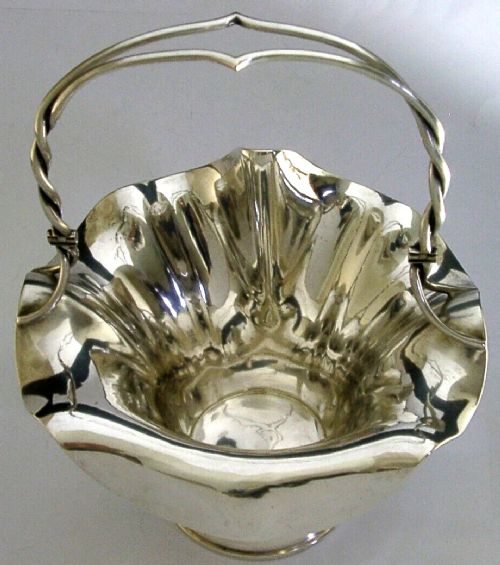
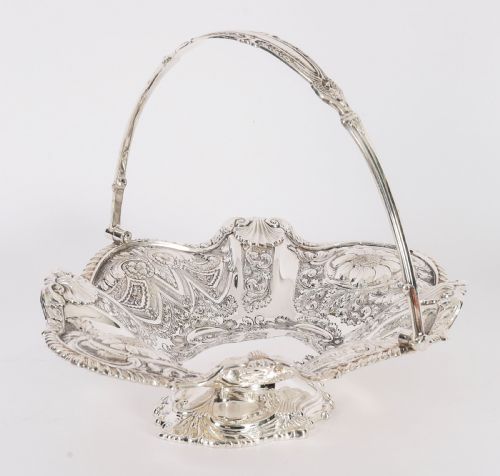
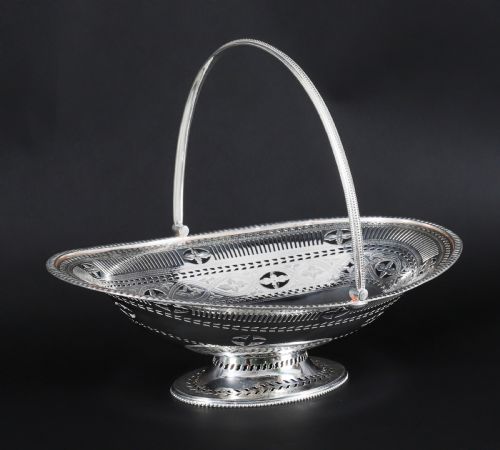
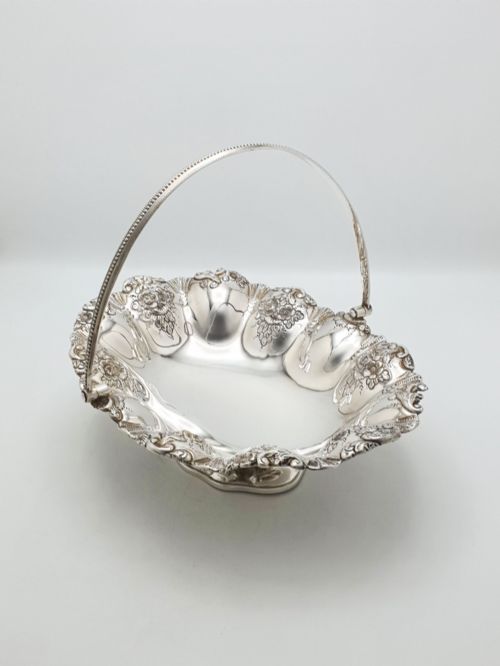
An edwardian silver cake basket is a swung-handle centerpiece designed for formal tea tables, prized for its pierced detail and chased rims.
Edwardian Silver Cake Basket
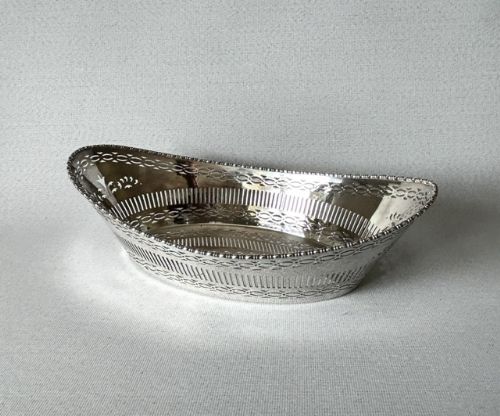
When you search for an edwardian silver cake basket, you encounter pierced and repoussé vessels made primarily around the turn of the twentieth century. These domestic items served to present baked goods and fruit during formal gatherings.
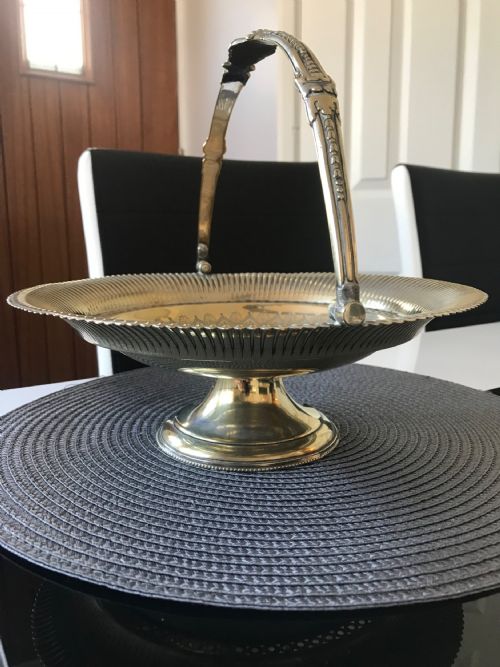
The examples on this page span solid sterling silver and silver plate, alongside related Victorian and George V pieces. Forms range from swing-handle fruit baskets to lattice-pierced cake dishes.
How they were made
Makers utilised sterling silver and electroplated nickel silver as the base metals for these tablewares. Smiths applied techniques such as piercing, fretwork, and floral repoussé to decorate the rims and bodies.
Handles were hinged to swing freely, requiring sturdy joints and precise balancing. Silversmiths worked metal in Sheffield, Birmingham, Chester, and London to produce these functional items.
What varies in quality
The thickness of the metal and the depth of the repoussé work determine the calibre of a basket. Finer pieces display crisp, hand-cut piercing rather than shallow stamped patterns.
Weight and balance distinguish superior items from lighter wares. Makers who invested time in intricate fretwork and heavy gauge silver produced pieces that retain their structural integrity.
George W. Scott & Sons Ltd·Mappin & Webb·Elkington·Hammond, Creake & Co·William Hutton & Sons·James Dixon & Sons Ltd·Liberty & Co
The Edwardian Silver Cake Basket Glossary
- Repoussé
- Metalworking technique where the design is hammered into relief from the reverse side. This gives floral and scroll motifs a tactile three-dimensional quality on the rim.
- Pierced-work
- Method of cutting decorative patterns through the metal sheet. It lightens the visual weight of the basket while creating intricate geometric or floral lattice designs.
- Electroplated Nickel Silver
- Base metal alloy coated in a thin layer of silver through an electrolytic process. It offered an affordable alternative to solid silver during the period.
- Swing-handle
- A movable handle attached to pivots on opposite sides of the basket rim. This allows the handle to drop flat when the vessel sits on a sideboard.
Edwardian Silver Cake Basket: Frequently Asked Questions
How are these baskets cleaned?
Clean silver-plated and solid silver items with a soft cloth and a gentle, non-abrasive polish formulated specifically for silver. Avoid harsh dips that can strip the plating or damage intricate recessed details.
Wash pewter or brass pieces with warm soapy water and dry them thoroughly immediately after cleaning. Store them in dry environments to prevent tarnishing and surface corrosion.
Can I use them for food?
Solid silver and silver-plated baskets are safe for serving dry foods such as cakes, pastries, and fruit. Line them with a decorative fabric doily if you wish to protect the metal from direct contact with moist items.
Ensure older plated items are clean and free of residue before use. Avoid leaving acidic foods on the metal surface for extended periods.
How do I spot solid silver?
Look for hallmarks stamped into the metal, which typically include a standard mark, a town mark, and a date letter. Solid silver pieces carry assay office marks from cities like Sheffield, Birmingham, or London.
Silver-plated items generally feature maker marks indicating electroplate or nickel silver rather than sterling hallmarks. Weight can also offer a clue, though plate can be heavy depending on the base metal.
What is the swing handle for?
The movable handle allowed servants to carry the loaded basket securely to the tea table. Once placed, the handle dropped to the side to make the contents easily accessible to guests.
It also ensured the basket took up less space on a crowded sideboard when not in transit. The pivot joints must remain secure for the handle to function properly.