
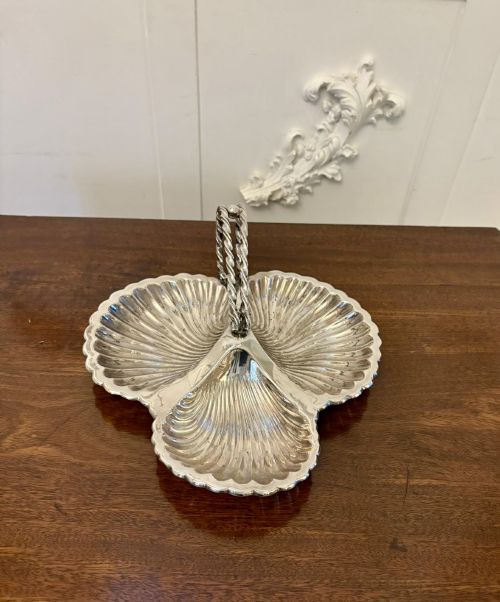
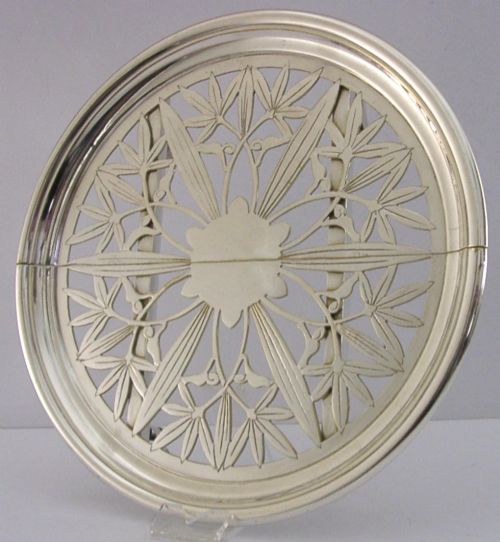
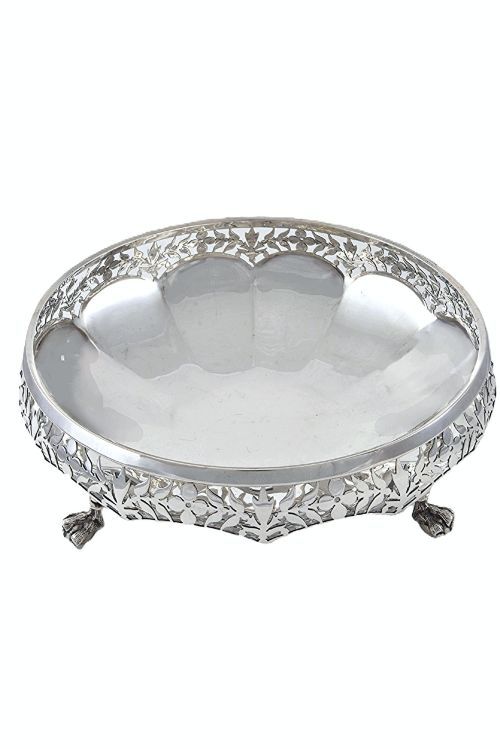
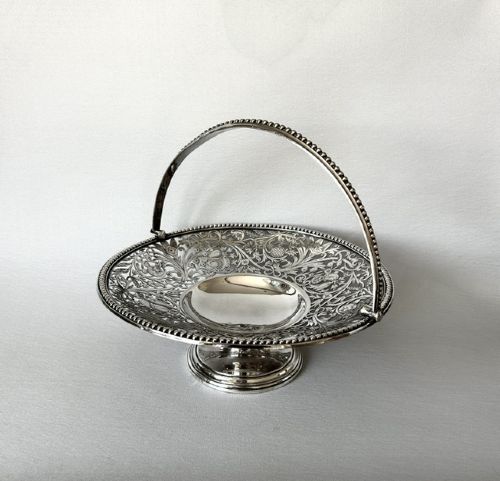





Vintage Silver Serving Dish
A vintage silver serving dish brings weight and shine to the table, and most pieces meeting this search phrase date from the Victorian and Edwardian periods.
Vintage Silver Serving Dish
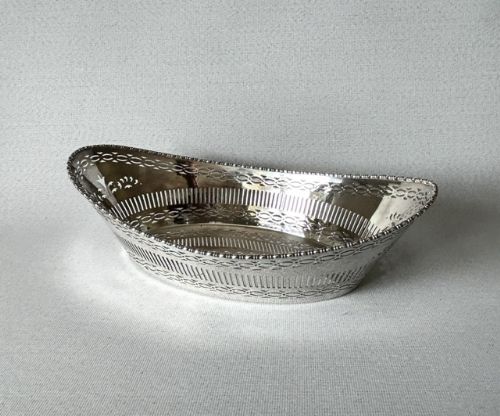
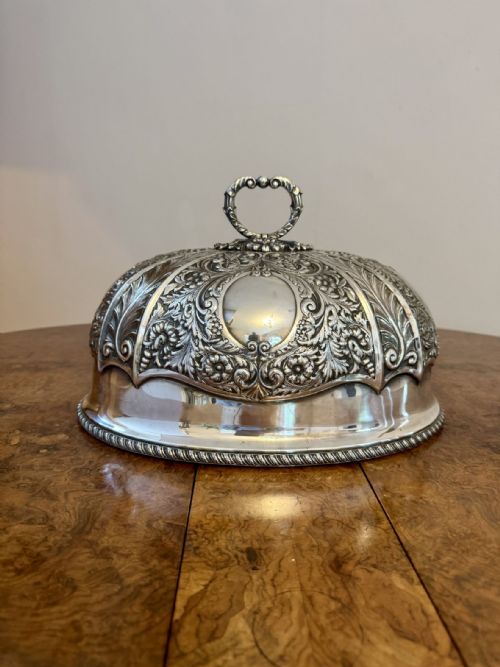
When you search for a vintage silver serving dish, you encounter a range of forms designed for presenting food at the table, from entree dishes and tureens to baskets and trays. The pieces surviving in quantity span the eighteenth, nineteenth, and twentieth centuries, with Edwardian and Victorian silver-plated examples appearing most frequently.
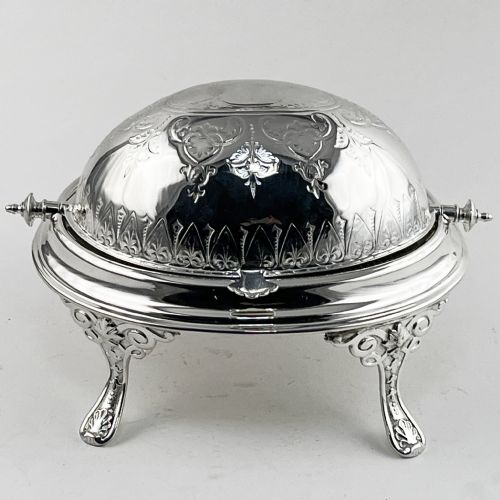
Makers utilised various styles across these periods, including Georgian, Regency, Victorian, Edwardian, and Art Deco. Forms range from revolving butter dishes and meat domes to fruit baskets and centrepiece bowls, reflecting formal dining habits of past centuries.
How they were made
The objects combine metals and plating techniques, relying heavily on silver plate, electroplated nickel silver, and Old Sheffield Plate alongside solid sterling silver. Makers also worked with copper, pewter, glass, and stoneware to create functional serving pieces.
Techniques involved hammering, piercing, and casting, with some items featuring applied borders or engraved crests. Old Sheffield Plate items show a fused layer of silver over a copper base, whilst later pieces often employ electroplating.
Some Victorian butter dishes feature a clever revolving lid that disappears inside the body when opened, keeping the butter neatly out of sight.
What varies in quality
Quality depends on the crispness of chased or pierced ornamentation and the retention of the original silver layer over the base metal. Heavier gauge metal indicates better construction, providing durability and a solid feel in the hand.
The integrity of maker marks and crested engravings adds historical interest, whilst proportion and balance in handles, lids, and stands distinguish superior workshop output from standard mass production.
Christofle·Mappin and Webb·Elkington and Co·Henry Wilkinson·Creswick·John Hunt·Liberty and Co·Doulton Lambeth·Frank Butler·Hamilton and Inches·Gioielleria Agliardi Cassino·Tiffany and Co·Roberts and Belk
The Vintage Silver Serving Dish Glossary
- Old Sheffield Plate
- An early method of fusing a thin sheet of sterling silver to a copper core before rolling them together into sheets. This technique results in a subtle warmth where the underlying copper occasionally shows through at high points.
- EPNS
- An abbreviation for electroplated nickel silver, which became the standard method for coating base metal with a thin layer of silver using an electrical current. It allowed workshops to produce durable tableware efficiently.
- Entree dish
- A covered vessel designed to keep courses warm before they reached the dining table. These pieces often feature removable handles to allow the base to function independently as an open platter.
- Tureen
- A deep, round or oval bowl with a lid, traditionally used for serving soups, stews, or vegetables. Many examples include matching stands or warming bases.
- Sweetmeat dish
- A small, decorative vessel intended for serving confectionery, nuts, or small delicacies during the course of a meal. They frequently appear in pierced or chased silver and silver plate.
Vintage Silver Serving Dish: Frequently Asked Questions
How do I clean an old silver dish?
Use a soft cloth and a gentle, non-abrasive silver polish formulated for plated or solid items. Avoid harsh scrubbing that can wear away thin plating.
Rinse the piece in warm water and dry it thoroughly with a clean cotton cloth to prevent water spots and tarnishing.
Can I use these dishes for serving food?
Most solid silver and silver-plated dishes remain suitable for serving dry foods, fruit, and bread. Items with active silver plate intact can handle everyday use.
Take care with acidic foods that might react with older metals or worn plating over extended periods.
How do I identify Old Sheffield Plate?
Look for a faint copper tint showing through the silver surface, particularly along edges and raised rims where wear occurs naturally. This technique predates nineteenth-century electroplating.
Old Sheffield Plate pieces often lack maker marks or display early maker stamps rather than standard town hallmarks.