


Silver Bread Tray
A silver bread tray brings structured elegance to the dining table, offering the perfect vessel for serving artisanal loaves and pastries.
Silver Bread Tray
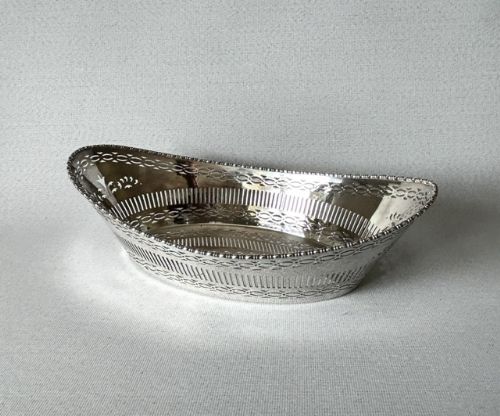
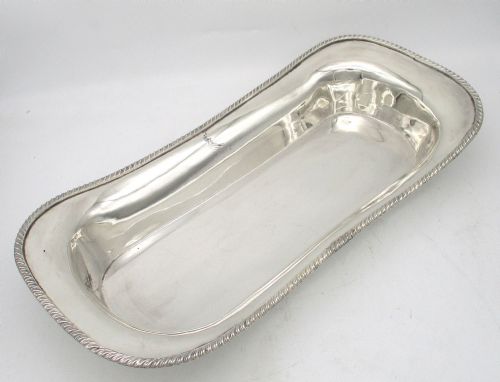
A silver bread tray encompasses items designed for table service, frequently crossing categories with serving dishes, fruit bowls, and bread baskets. When searching for a silver bread tray, buyers encounter forms ranging from George III silver bread baskets to French Art Deco silver plated fruit bowls.
The pieces on this page span the eighteenth, nineteenth, and twentieth centuries, taking shapes from oval pierced serving dishes to boat-shaped bread trays. Many items originate from the Victorian, Edwardian, and Art Deco periods, created in styles such as Georgian, Regency, and George V.
Makers utilise various metals including sterling silver, silver plate, Old Sheffield plate, EPNS, and copper. Alongside traditional trays, the selection includes knife trays and decorative bowls that share the same functional heritage.
Materials and construction methods
Makers produced these pieces using sterling silver or through plating techniques such as silver plating, EPNS, and Old Sheffield plate over base metal or copper. Pierced work, floral engraving, and hand-hammered pewter details appear across the selection.
Silversmiths formed the bodies through raising and shaping, often adding cast handles, pierced galleries, and footed bases to support the weight of the metal. Workshops applied techniques like fusing silver to copper sheets for Old Sheffield plate, or electroplating white metal for later Victorian and Edwardian wares.
Silver Bread Tray Retail Price Guide 2026
Typical asking prices for silver bread tray among the pieces listed under this phrase on Sellingantiques today, from the lower quarter to the upper quarter. They describe what is for sale here now, not the wider market.
The listings on this site include silver bread trays, baskets, and dishes spanning the eighteenth, nineteenth, and twentieth centuries, executed in sterling silver, silver plate, Old Sheffield plate, and pewter.
Assessing quality in silver serving pieces
Quality rests upon the weight of the metal, the crispness of any pierced or engraved decoration, and the integrity of the plating. Substantial sterling silver examples show heavier gauge metal and precise assay office hallmarks.
Makers with established reputations, such as Mappin & Webb, Walker & Hall, or Robert Breading, demonstrate superior finishing on handles, rims, and joints. The preservation of original plating without base metal showing through indicates higher production standards.
Mappin & Webb·Creswick·Walker & Hall·Robert Breading·John Hunt·Martin Hall·Walker Knowles·Brille, Paris·John Walton·Archibold Knox
The Silver Bread Tray Glossary
- Sterling silver
- A silver alloy containing 92.5 percent pure silver and 7.5 percent other metals, typically copper, used for high-grade domestic wares. Hallmarks stamped into the metal verify its standard.
- Old Sheffield plate
- An early form of composite metal produced by fusing a thin sheet of silver to a thicker copper ingot before rolling and shaping. This technique predates modern electroplating.
- EPNS
- Electroplated nickel silver, a base metal alloy of copper, nickel, and zinc coated with a layer of pure silver using an electrical current. It became common in the nineteenth century.
- Pierced work
- A decorative technique involving cutting or piercing patterns through the silver sheet to create openwork galleries or floral lattices. This lightens the weight while adding ornamentation.
- Hallmark
- A series of official marks stamped on precious metal items in Britain and other countries to indicate the maker, standard of purity, assay office, and year of production.
Silver Bread Tray: Frequently Asked Questions
What is a silver bread tray used for?
These pieces serve bread, rolls, and pastries at the dining table, functioning as decorative baskets or low platters. They present baked goods formally during meals.
Beyond dining use, collectors display them on sideboards or utilise them to hold fruit and small decorative objects in domestic settings.
How do I know if a tray is solid silver or plated?
Solid sterling silver pieces carry official hallmarks indicating the purity standard, assay office, and date letter. Plated items usually display maker marks that denote silver plate, EPNS, or Old Sheffield plate.
Examining worn edges can reveal base metal or copper underneath the silver coating on plated trays, whereas solid silver maintains consistent metal throughout.
What is Old Sheffield plate?
Old Sheffield plate is an eighteenth and nineteenth-century material made by fusing a thin layer of sterling silver to a copper core. The fused metal sheet was then worked into trays and dishes.
Pieces made this way often show a subtle line of exposed copper at seams or cut edges, which serves as a characteristic identifier for collectors.
How do I clean an antique silver bread tray?
Clean silver trays using a dedicated silver polish and a soft cloth, avoiding abrasive pads that can scratch the metal or wear away thin plating. Wash the piece in warm soapy water afterwards and dry thoroughly.
Store silver in dry environments away from direct sunlight, and use tarnish-resistant cloths if keeping them enclosed for long periods.
How can I tell a Victorian tray from a Georgian one?
Georgian trays, produced before eighteen thirty-seven, often feature hand-hammered construction, heavier gauge silver, and restrained neoclassical or rococo engraving. Their hallmarks include king's heads and date cyphers unique to that era.
Victorian pieces from the later nineteenth century frequently utilise machine rolling, electroplating, and heavier, more ornate floral decoration combined with standard town and date marks.