




Antique Cutlery Tray
An antique cutlery tray organises the table with period timber and fitted compartments, bringing functional heritage straight into daily domestic life.
Antique Cutlery Tray
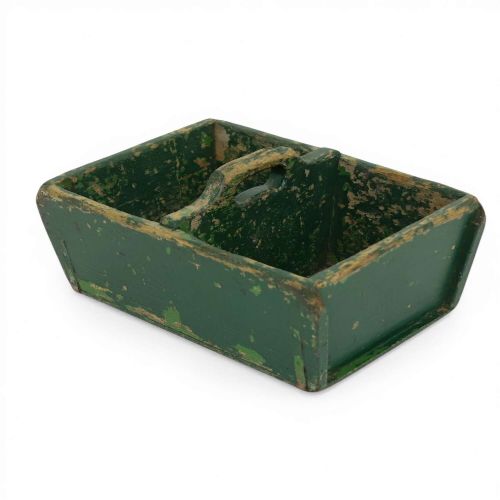
When searching for an antique cutlery tray, a buyer encounters utilitarian wooden carriers and serving pieces designed for domestic organisation.
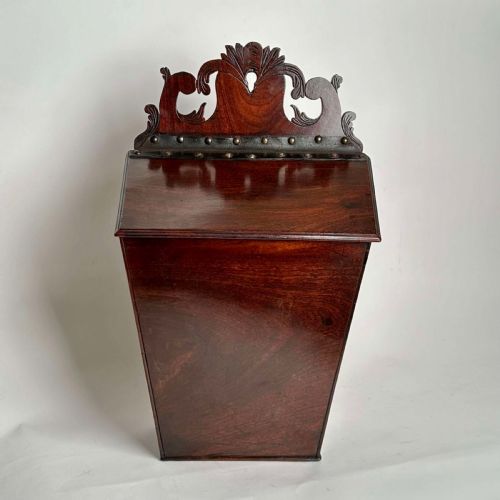
The selections span Georgian mahogany and oak boxes, alongside regional items like Welsh vernacular pine and fruitwood carriers.
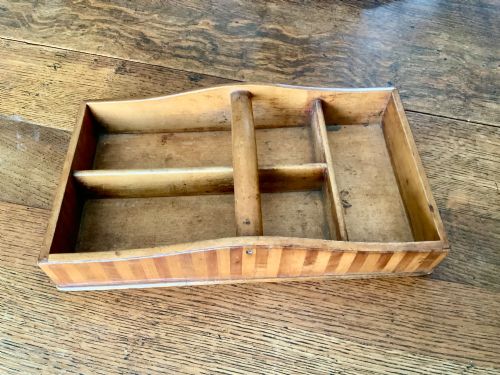
Many examples take the form of compartmentalised boxes or handled trays originating from country houses and domestic service spaces.
Assessing the Standard
Quality rests on the integrity of the timber selection and the precision of the joinery within the partitions and carry handles.
Superior examples display thoughtful shaping to the sides and robust construction that withstands active handling.
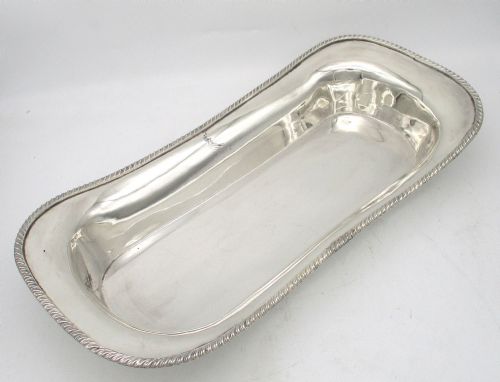
The refinement of the brass fittings or the quality of the silver plating distinguishes standard domestic pieces from finer dining room service items.
Some sturdy carry trays spent their working lives in gardens and workshops before finding their way into the dining room.
Creswick·Walker Knowles·James Dixon
The Antique Cutlery Tray Glossary
- Cutlery box
- A rigid container fitted with internal divisions specifically designed to hold knives, forks, and spoons. These boxes often feature central upright handles for transport between the kitchen and dining table.
- Trug
- A traditional shallow container historically used for gathering garden produce or carrying tools. In domestic settings, sturdy pine and oak versions served similar utilitarian carry roles.
- Sheffield plate
- A material formed by fusing a thin sheet of silver to a thicker copper base. This technique creates durable tableware and knife trays typical of the eighteenth and nineteenth centuries.
- Butler's carry
- A compartmentalised wooden tray with a strong central handle used by household staff to transport tableware. These items reflect the functional service requirements of large period houses.
Antique Cutlery Tray: Frequently Asked Questions
What were antique cutlery trays used for?
These trays served to sort, store, and transport knives, forks, and spoons between the kitchens and dining rooms of large houses. Household staff relied on them to keep flatware organised and portable during daily service.
Beyond dining use, similar shallow wooden carriers functioned as desk tidies, work boxes, and general tool trays in country houses and workshops.
How do I date an antique cutlery tray?
Dating relies on identifying the primary timber, construction methods, and hardware styles. Georgian pieces often utilise solid mahogany with hand-cut dovetailing, while later Victorian versions incorporate silver-plated mounts or softer pines.
Examining the wear patterns and the type of finish, whether polished hardwood or early painted surfaces, provides further clues regarding the period of origin.
How can I use a cutlery tray today?
An antique cutlery tray fits easily into modern rooms as a desk organiser for stationery, a tabletop container for condiments, or a holder for remote controls. The divided compartments make them practical for sorting small household items.
Placed on a kitchen counter or a sideboard, they provide accessible storage while displaying the grain of period oak or mahogany.
What is the difference between oak and mahogany trays?
Oak trays typically belong to earlier vernacular or country house traditions, often displaying robust rustic construction with shaped sides and visible grain. They suit informal interiors and kitchen spaces.
Mahogany trays frequently represent more formal Georgian dining accessories, characterised by fine timber selection, fitted partitions, and sometimes brass carrying handles.