


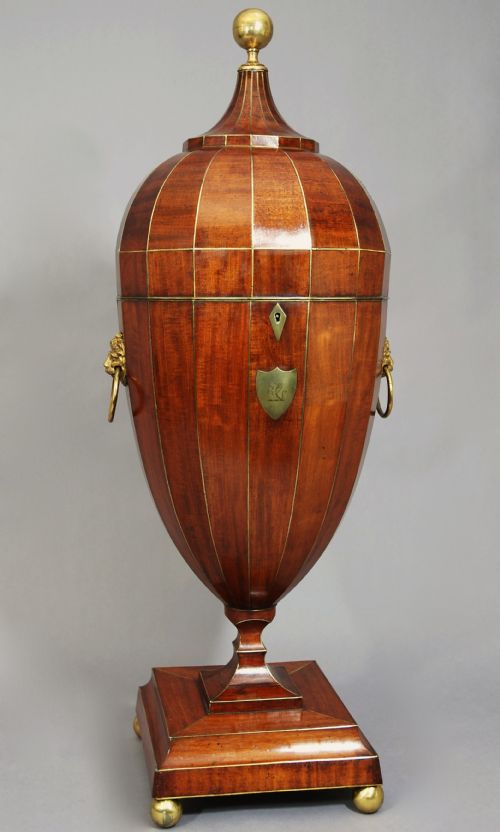


Antique Wooden Cutlery Box
An antique wooden cutlery box is a refined receptacle designed for domestic service, prized for dense mahogany timbers and graceful Georgian proportions.
Antique Wooden Cutlery Box
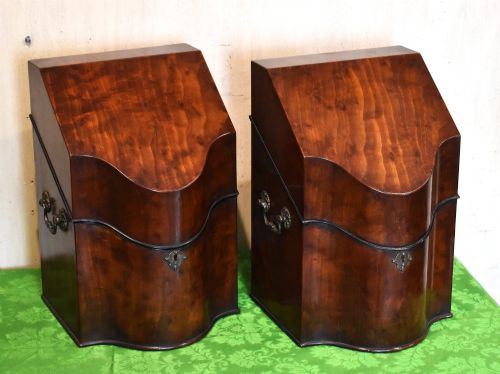
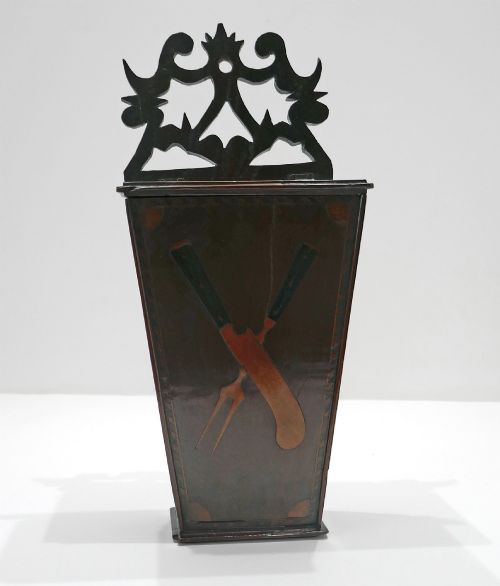
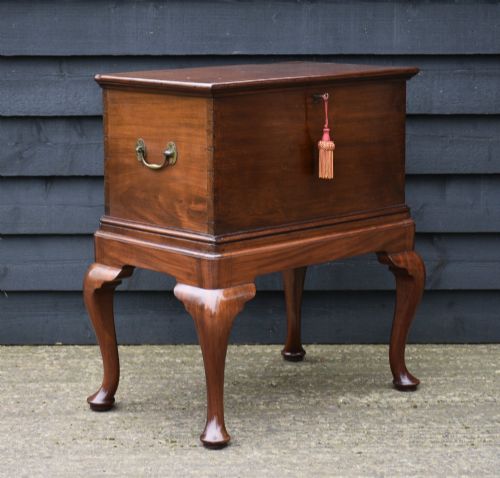
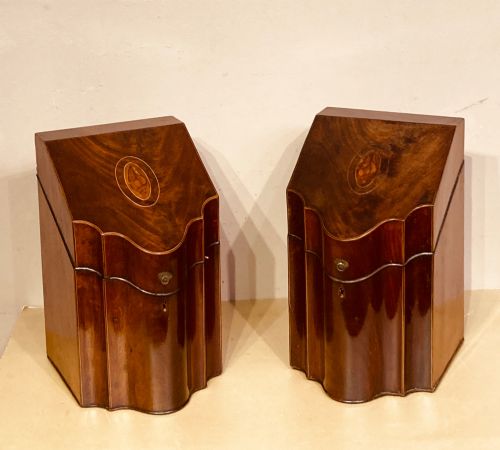
An antique wooden cutlery box encompasses traditional receptacles designed to house domestic flatware, including slope-front knife boxes, open serving trays, and fitted canteens. When exploring this selection, buyers encounter functional pieces originating from the Georgian, Victorian, and Edwardian eras, constructed primarily for country houses and formal dining rooms.
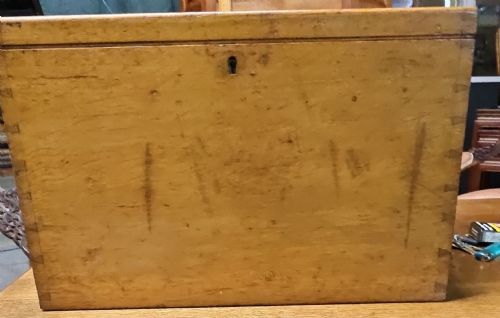
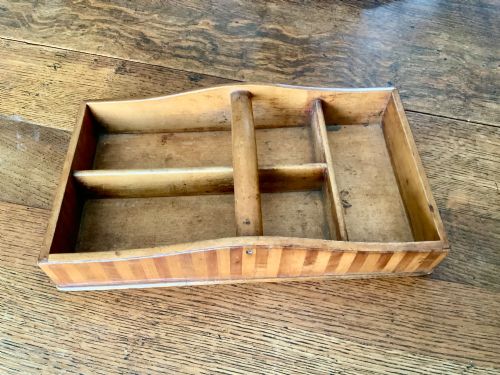
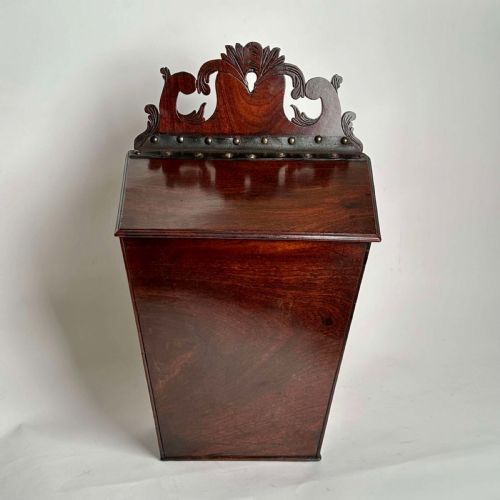
The inventory ranges from serpentine mahogany knife boxes with inlaid details to rustic pine trays, oak kitchen boxes, and elaborate lidded urns. These objects served the practical daily needs of historic households before evolving into decorative storage items for modern collectors.
How They Were Made
Cabinetmakers utilised dense timbers such as mahogany, oak, walnut, and fruitwood, often selecting figured veneers and contrasting boxwood stringing for decorative emphasis. Surfaces were shaped into serpentine fronts, slanted lids, and urn profiles using traditional joinery and hand tools.
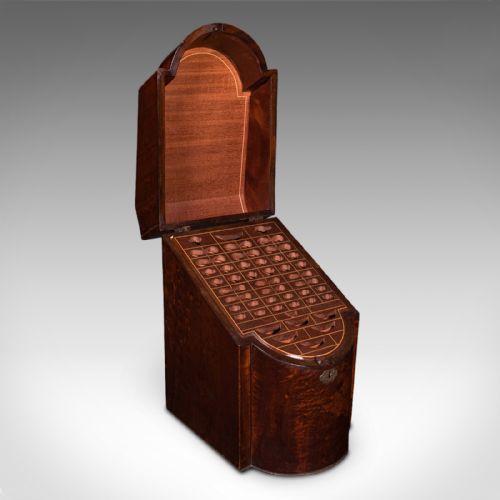
Metal components played a structural and decorative role, incorporating brass handles, escutcheons, and hinges. Interiors were frequently lined with velvet or fitted with specific compartments to secure individual pieces of silverware and cutlery.
Antique Wooden Cutlery Box Retail Price Guide 2026
Typical asking prices for wooden cutlery box among the pieces listed under this phrase on Sellingantiques today, from the lower quarter to the upper quarter. They describe what is for sale here now, not the wider market.
Footmen managed more than stairs; they also carried the wooden trays.
What Varies in Quality
The distinction between standard domestic items and superior examples lies in the selection of timber and the precision of the cabinetwork. Figured mahogany grains, intricate string inlay, and balanced serpentine proportions elevate a piece from a utilitarian box to a refined decorative object.
Original hardware, such as cast brass carrying handles and functioning locks with matching escutcheons, preserves the integrity of the piece. The survival of fitted interior compartments and original linings further distinguishes finer specimens within this category.
Walker and Hall·Waring and Gillows·Hukin and Heath
The Antique Wooden Cutlery Box Glossary
- Serpentine
- A gently curved cabinet front shaped with a convex centre flanked by concave wings. This contour requires skilled woodworking and denotes finer Georgian craftsmanship.
- Canteen
- A fitted chest or box designed specifically to store a complete service of cutlery. These interiors often feature slotted trays and velvet linings to protect individual pieces.
- Stringing
- Thin inlay of a contrasting wood, such as boxwood, set flush into the surface of a darker timber like mahogany. It outlines panels and edges to create subtle geometric decoration.
- Escutcheon
- A protective brass plate surrounding a keyhole. On these boxes, they are frequently pierced or engraved.
- Urn
- A tall, lidded vessel form adapted in the Georgian period for storing knives on sideboard tables. They feature classical proportions and symmetrical wooden turning.
Antique Wooden Cutlery Box: Frequently Asked Questions
How were knife boxes used?
These boxes sat upon sideboards or serving tables in formal dining rooms during meal service. Servants used them to store and present handled cutlery before the transition to fitted drawer chests.
After dining, the knives were returned inside and locked to protect the steel blades and bone or ivory handles from dampness and theft.
How do I date a Georgian box?
Examine the timber choice, construction methods, and secondary woods like oak or pine used inside. George III pieces often display figured mahogany veneers with delicate boxwood stringing and curved serpentine profiles.
Hardware offers further clues, as hand-cast brass handles and shaped escutcheons changed in style across the eighteenth and early nineteenth centuries.
Can I use these for modern cutlery?
Many smaller boxes and trays accommodate modern flatware, though interior slots in older canteens were sized for smaller historic utensils. Open trays and open-top carriers function effectively on sideboards or desks for organising everyday items.
Care should be taken with delicate linings and historic locking mechanisms to preserve the interior fabric.