



Red Painted Country Box
These red painted country box examples bring vernacular charm to interiors, offering rustic storage shaped by centuries of folk tradition.
Red Painted Country Box
A red painted country box encompasses utilitarian storage forms shaped by vernacular traditions across Britain and Scandinavia. Buyers examining these listings encounter salt boxes, blanket chests, strong boxes, wall boxes, and benches produced from the seventeenth century through the Victorian era.
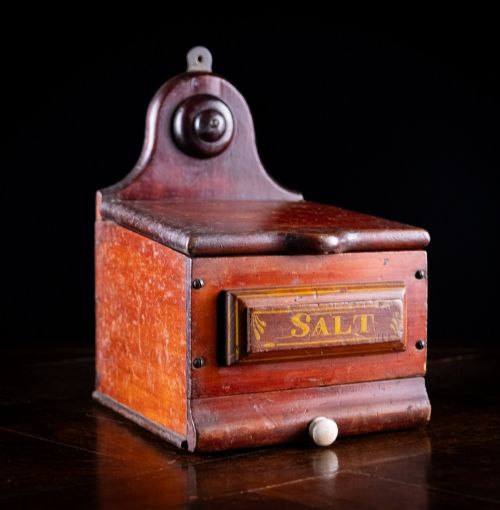
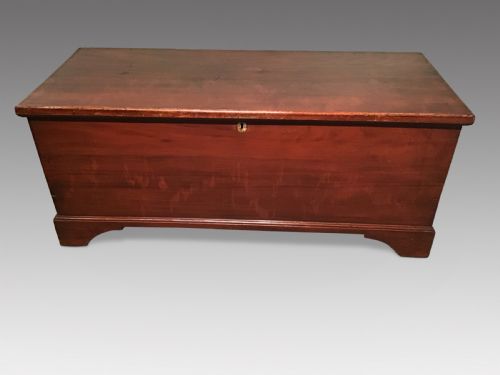
Pine and oak serve as the primary woods, often finished in vibrant red paint that highlights their domestic origins. Pieces range from small wall-hanging salt boxes with original iron hardware to large Georgian mule chests and Scandinavian pine blanket boxes standing on bracket feet.
The selection reflects both British and Scandinavian folk art aesthetics, capturing the robust utility demanded by rural households. Surviving examples demonstrate how simple storage vessels received colourful protective coats that weathered decades of daily use.
How they were made
Joinery on these boxes relies on solid timber construction using pine and oak, assembled with pegged joints, dovetails, or simple board construction. Makers selected native woods for accessibility and strength, shaping panels to withstand heavy domestic demands.
Iron and brass hardware, including hinges, latches, and carrying handles, provide functional reinforcement to the wooden bodies. Wrought iron strapwork often secures corners and lids, combining structural necessity with utilitarian decoration.
Surface finishes consist of layered paint applied directly to the bare timber, with many pieces retaining traces of early or original red pigment. This protective coating weathered over generations, leaving characteristic patination across the pine and oak surfaces.
Red Painted Country Box Retail Price Guide 2026
Typical asking prices for red painted country box among the pieces listed under this phrase on Sellingantiques today, from the lower quarter to the upper quarter. They describe what is for sale here now, not the wider market.
Traces of red paint survive decades of kitchen smoke and domestic wear, stubbornly clinging to iron hinges.
What varies in quality
The survival of original surface paint distinguishes exceptional examples from pieces stripped or heavily restored in later periods. Pigment retention and the natural patination of the underlying pine or oak define the visual integrity of each box.
Proportion and structural honesty separate finer workshop output from basic utilitarian output. Well-integrated iron hardware, untouched bracket feet, and original hinges contribute to a cohesive object where form and function align.
The Red Painted Country Box Glossary
- Salt box
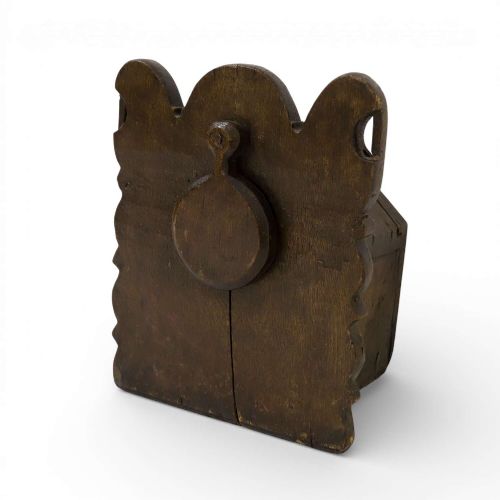
- A small wall-mounted container designed to keep domestic salt dry near a hearth. These typically feature a hinged sloping lid and a high backboard with a suspension hole.
- Mule chest
- A storage chest featuring one or more drawers built into the base beneath the primary compartment. This form bridges the evolution between simple blanket chests and modern drawer units.
- Bracket foot
- A structural foot supporting the corners of a case piece, often shaped with simple curves or mitred joints. They lift the body of a blanket box away from damp stone floors.
- Folk art
- Artistic production stemming from rural craft traditions rather than formal academic training. This category encompasses vernacular furniture painted and decorated by local makers.
- Coffer
- A heavy wooden chest traditionally used for storing valuables or documents. These sturdy containers often feature robust iron locking mechanisms and strap hinges.
Red Painted Country Box: Frequently Asked Questions
What is a red painted country box?
A red painted country box is a utilitarian wooden container, such as a salt box or blanket chest, finished in historical red pigments. These items originate from vernacular British and Scandinavian workshops.
They served essential storage functions in rural homes, utilising durable woods like pine and oak. Their surviving red paint coats reflect traditional folk aesthetics and regional domestic tastes.
How were these boxes used originally?
Households utilised these boxes for storing everyday essentials, including salt, textiles, candles, and documents. Smaller wall boxes kept kitchen commodities dry near the hearth.
Larger blanket chests and mule chests held linens and clothing at the foot of beds or in common rooms. Strong boxes secured valuables using iron hardware and padlocks.
How do I care for original paint?
Preserving original paint requires maintaining stable indoor humidity and avoiding direct sunlight. Dust surfaces gently with a dry, soft cloth rather than using liquid cleaners.
Avoid chemical solvents or abrasive polishes that can lift fragile pigment layers. Allowing the wood and paint to age naturally preserves the historical patination.
How can I tell the period?
Dating relies on examining construction techniques, wood species, and hardware styles. Earlier pieces from the seventeenth and eighteenth centuries frequently employ heavier oak and hand-wrought iron.
Nineteenth-century examples commonly feature soft pine construction and machine-made components. Tool marks and fastener types offer clear indicators of manufacture date.