



Vintage Cutlery Caddy
These vintage cutlery caddy pieces are practical wooden and metal containers used for organising knives and forks, offering genuine historic utility for the dining table.
Vintage Cutlery Caddy
A vintage cutlery caddy encompasses various wooden boxes, trays, and carriers designed specifically for holding table implements. Buyers searching for a vintage cutlery caddy will encounter traditional compartmentalised forms dating from the Georgian period through to the early twentieth century.
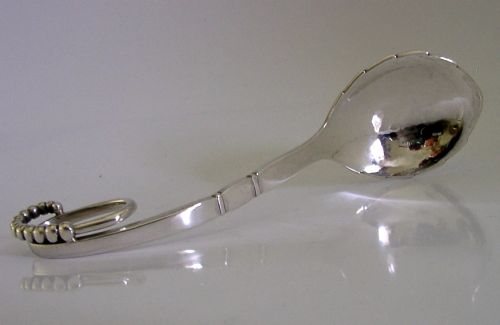
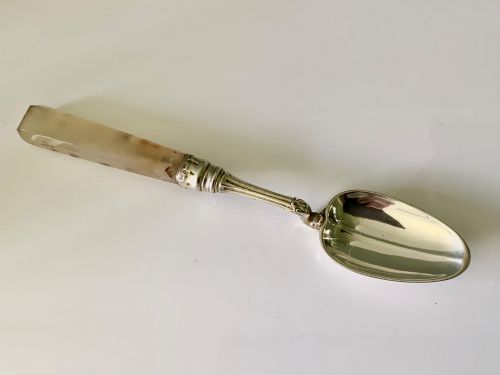
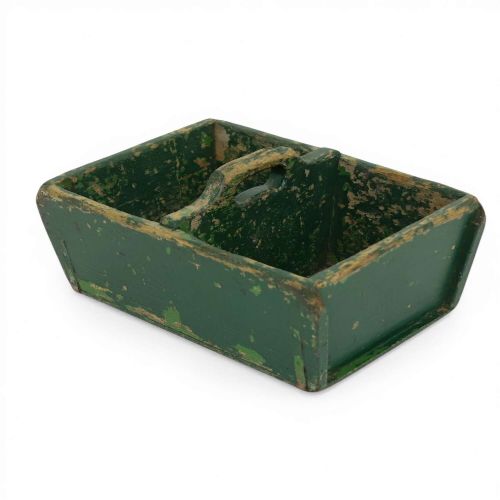
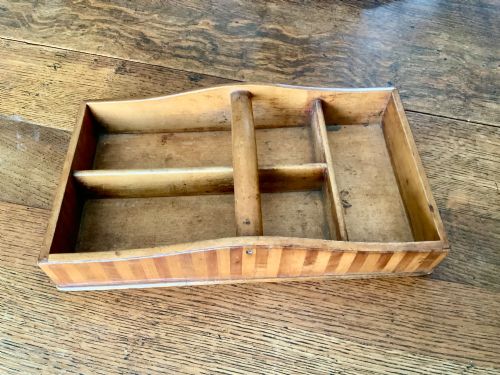
The selection ranges from elegant mahogany butler's trays to robust regional pine examples. Welsh and Scandinavian country pieces sit alongside refined silver spoons and boxes.
Most items serve a functional purpose in storage and presentation, reflecting the domestic habits of past centuries. Domestic servants and country house staff utilised these specific carriers daily for service.
Materials and construction
Cabinetmakers utilised dense timbers such as mahogany, walnut, fruitwood, and pine to build durable boxes and trays. Joinery methods included dovetailing and pegged joints to withstand daily movement and weight.
Metal components incorporate sterling silver, brass fittings, and painted toleware finishes. Artisans shaped these materials by hand, adding hallmarks to silver items and protective coatings to utilitarian trays.
Listings feature items spanning the Georgian, Regency, Victorian, and Edwardian periods, constructed from pine, mahogany, fruitwood, and sterling silver.
Evaluating craftsmanship
Quality separates through the selection of timber and the precision of the joinery. Fine examples display tight dovetails and well-figured grain, while simpler utilitarian pieces rely on straightforward pegged construction.
The survival of original surfaces, such as red paint or patinated fruitwood, influences the character of the object. Maker marks and silver hallmarks also distinguish standard utility items from distinguished workshop productions.
Georg Jensen·Amy Sandheim
The Vintage Cutlery Caddy Glossary
- Trug
- A shallow basket or carrier traditionally used for gathering garden produce or carrying household items. These are often constructed from split wood or painted metal.
- Mahogany
- A durable, reddish-brown tropical hardwood favoured by cabinetmakers during the eighteenth and nineteenth centuries for its fine grain and strength.
- Hallmark
- An official stamp applied to precious metals indicating the standard of purity, the assay office, and the date of production.
- Toleware
- Lacquered or enamelled metalware popular in domestic settings for buckets, trays, and containers during the Victorian period.
- Dovetail
- A joint formed by interlocking wedge-shaped fingers, prized in box construction for its exceptional tensile strength.
Vintage Cutlery Caddy: Frequently Asked Questions
What is a vintage cutlery caddy used for?
These pieces serve to organise, store, and transport knives, forks, and spoons around the dining room or kitchen. Historically, staff utilised them to clear tables efficiently.
Today, buyers repurpose them for modern dining organisation or as decorative displays on sideboards and kitchen islands.
How do I date a wooden caddy?
Dating relies on examining the timber species, construction techniques like dovetailing, and overall wear patterns. Georgian pieces often feature rich mahogany, whereas nineteenth-century vernacular items frequently utilise pine.
Hardware such as brass handles and any visible tool marks further help place an object within a specific period.
Are these caddies made of solid wood?
The pieces listed in this selection utilise solid regional and imported timbers such as mahogany, walnut, fruitwood, and pine. Artisans built them to endure heavy daily carrying.
Carpenters avoided veneers on these utilitarian objects, relying instead on the natural durability of the chosen board.
How do I care for an antique wooden tray?
Maintenance requires keeping wooden carriers away from direct heat sources and excessive moisture to prevent warping. Gentle cleaning with a dry or slightly damp cloth preserves the historic surface.
Applying a traditional wax polish occasionally helps nourish dry timber and maintains the natural patina.