




Rustic Wooden Carrier
A rustic wooden carrier solves everyday storage with honest joinery and practical utility that fits straight into a modern kitchen or boot room.
Rustic Wooden Carrier
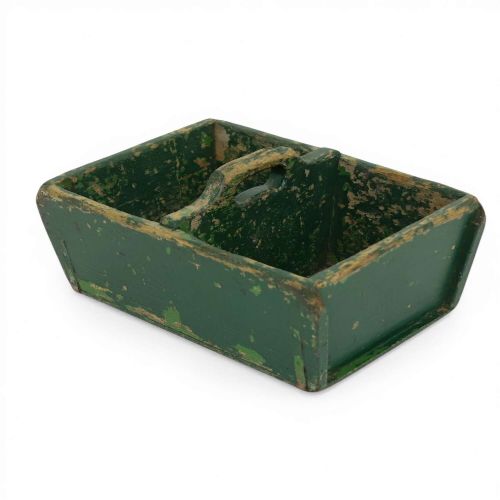
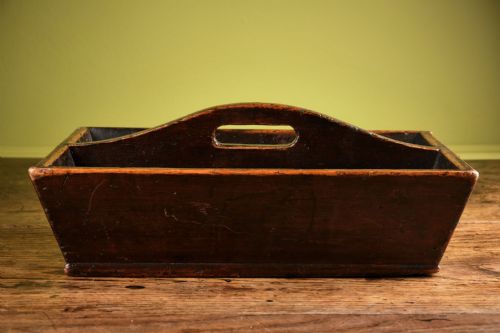
The most common formats met on this page are compartmentalised cutlery trays, garden trugs, and open storage boxes, typically fashioned in sturdy woods like pine, oak, elm, or beech. They reflect vernacular regional traditions from English, Welsh, and Scandinavian workshops, carrying the marks of genuine rural use. Buyers select them for their straightforward construction, tactile surfaces, and functional divisions that suit modern organising tasks.
Dating primarily from the Georgian, Victorian, and Edwardian eras, these carriers rely on robust joinery such as dovetails or nailed lap joints to withstand heavy loads. Styles lean towards rustic country, Scandinavian country, and Welsh vernacular, prioritising straightforward utility over decorative carving. Each item serves as a tangible link to domestic and agricultural routines of the nineteenth century and earlier.
Materials and construction
Makers utilised locally available domestic timbers such as pine, oak, beech, elm, and occasionally painted surfaces to protect the wood from moisture. Pine and beech provided lightweight resilience for carrying baskets and trays, while dense oak and elm offered the structural strength required for heavy buckets, log carriers, and railway luggage crates.
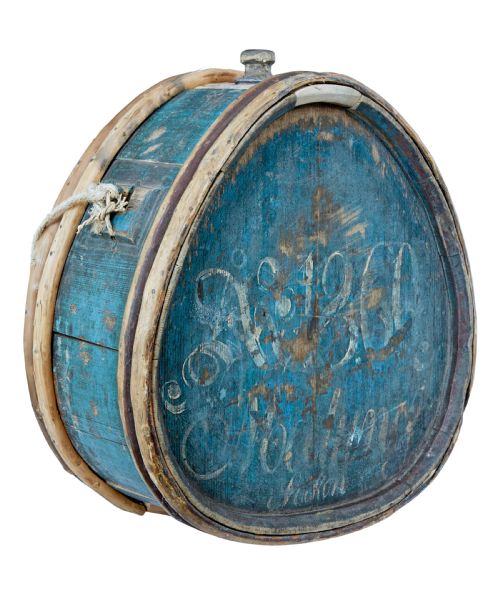
Hardware such as wrought iron bands, iron handles, and reinforced fastenings were integrated to secure heavy stave construction and prevent splitting under strain. Joinery methods remained utilitarian, featuring pegged joints, exposed dovetails, and sturdy handle attachments designed for sustained physical effort.
Railway luggage carriers once hauled passenger bags across bustling 19th-century station platforms before retiring to quiet domestic firesides.
Assessing quality and character
Quality in a rustic wooden carrier rests upon the integrity of its original construction and the honesty of its surface wear. Superior examples retain their original structural timber without excessive replacement parts, showing authentic patination earned through decades of genuine service.
Proportion and form separate standard utilitarian items from more thoughtfully shaped regional pieces, such as boldly curved Welsh trays or iron-bound Scandinavian trugs. The balance between practical durability and purposeful design dictates the standing of each piece within its specific vernacular tradition.
The Rustic Wooden Carrier Glossary
- Trug
- A shallow container traditionally used for gathering garden produce or carrying tools. These vessels typically feature a sturdy wooden rim and a bentwood body.
- Vernacular
- Architecture or object design created by local makers using traditional methods and local materials, without academic design input. Such pieces reflect regional working habits rather than fashionable trends.
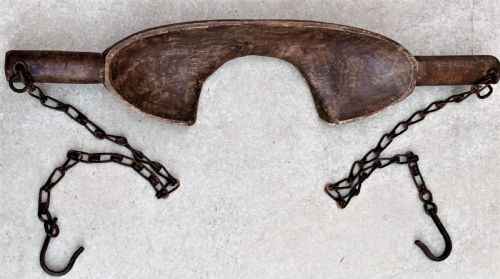
- Shoulder Yoke
- A curved wooden beam designed to fit across the shoulders for balancing two suspended loads, such as milk pails or water containers. They demonstrate ergonomic design tailored to domestic labour.
- Bygones
- Items of domestic, agricultural, or trade utility that have passed out of everyday use. Collectors prize them for their historical association and honest craftsmanship.
Rustic Wooden Carrier: Frequently Asked Questions
How were wooden carriers originally used?
These carriers served demanding daily roles in rural homes, dairies, gardens, and railways. Workers relied on them to transport firewood, cutlery, water, and luggage across farmsteads and estates.
Over time, these utilitarian objects transitioned from functional farm equipment to decorative storage items valued for their historical utility.
Can I use an antique trug outdoors?
While originally built for outdoor tasks like gardening and gathering, older pine and oak pieces benefit from gentle indoor conditions today. Exposure to modern central heating and damp garden soil can accelerate timber degradation.
Keeping them inside preserves the dry historic patina and protects vulnerable iron fastenings from active corrosion.
How do I clean a rustic carrier?
Maintenance requires only a soft, dry cloth to remove dust from aged wood surfaces and corners. Avoid using commercial polishes or water, which can damage unsealed timber and historical patination.
Gentle care ensures the original surface texture and tool marks remain intact for future appreciation.
How do I date a wooden carrier?
Dating relies on observing construction methods, tool marks, timber choice, and wear patterns consistent with specific periods like the Georgian or Victorian eras. Hand-sawn boards and early ironwork offer reliable clues to an item's age.
Comparing regional joinery styles with documented vernacular pieces helps narrow down the probable decade of origin.