




Vintage Wooden Cutlery Tray
A vintage wooden cutlery tray is a practical piece of utility furniture designed for carrying or sorting silver, and these examples bring honest daily function to any surface.
Vintage Wooden Cutlery Tray
A vintage wooden cutlery tray groups utility items like cutlery boxes, caddies, and trugs from several periods including the Georgian era, the nineteenth century, and the Victorian period. These pieces originate from regional traditions such as Welsh vernacular, Scandinavian country, and English country houses.
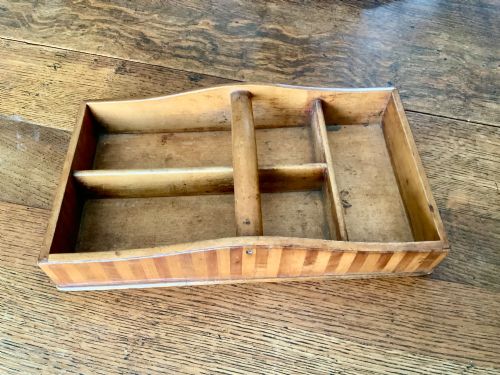
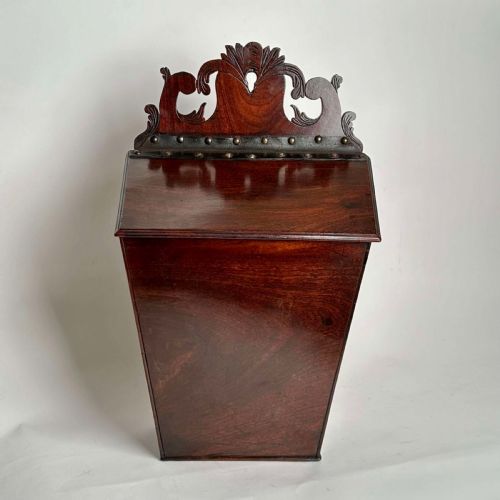
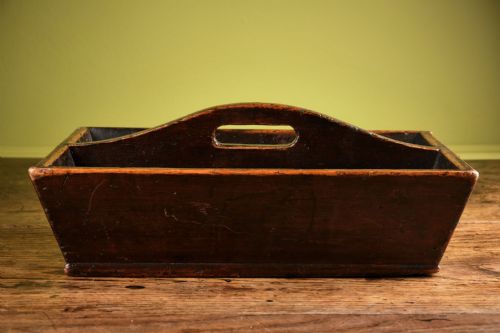
The most common forms on this page include mahogany cutlery boxes, pine knife trays, and oak housekeeper carries. Many serve multiple historical functions, doubling as garden trugs, work boxes, or deep containers for fruit and nuts.
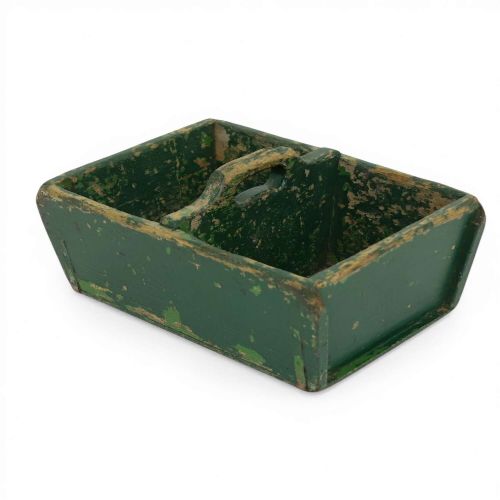
Makers shaped these items for specific domestic and outdoor tasks, employing sturdy construction to endure heavy daily service. Buyers encounter everything from red painted Welsh trays to robust fruitwood footman's carry trays.
How they were made
Makers selected timbers like mahogany, oak, pine, fruitwood, and sycamore according to local availability and the intended use of the tray. Hardwoods provided durability for fine dining rooms, while softer pine and fruitwood suited rustic workshops and farmhouses.
Joinery methods focused on structural strength, incorporating robust sides, integrated carrying handles, and occasionally brass fittings for reinforcement. Surface treatments varied from natural polished wood grains to simple red paint applied to pine.
Some nineteenth-century costermonger trugs were built robustly enough to survive bustling city markets alongside quiet country kitchens.
What varies in quality
Quality rests upon the selection of timber and the integrity of the original construction, distinguishing robust artisan work from simpler utility items. Well-made pieces exhibit thoughtful proportions and sound joinery that survives centuries of handling.
The presence of period surface finishes, such as aged patinated mahogany or original red paint, adds distinction. Pieces retaining their structural authenticity and uncompromised form stand apart from heavily altered examples.
The Vintage Wooden Cutlery Tray Glossary
- Trug
- A shallow wooden basket or tray traditionally used for gathering garden produce or carrying tools. This form appears in various regional styles across the nineteenth century.
- Vernacular
- Architecture or object design created by local artisans using traditional methods and native materials, rather than following academic architectural styles. Welsh vernacular pieces demonstrate this localized approach.
- Caddy
- A small box or container originally used for holding tea, but later adapted for cutlery and domestic organisation. These containers often feature internal compartments.
- Fruitwood
- Timber derived from fruit-bearing trees such as apple, pear, or cherry, utilised by makers for its dense grain and warm tone. It appears in several nineteenth-century utility trays.
Vintage Wooden Cutlery Tray: Frequently Asked Questions
What were wooden cutlery trays used for?
These trays served to transport knives, forks, and spoons between the kitchen and the dining room in large houses. They also functioned as general work boxes for household tasks and garden trugs for outdoor gathering.
Domestic staff relied on these sturdy carriers to move table settings efficiently. Their partitioned spaces kept utensils organised during transport.
How do I date a wooden cutlery tray?
Dating relies on identifying the timber species, construction techniques, and stylistic markers associated with specific periods. Georgian examples often utilise fine mahogany, whereas nineteenth-century pieces frequently feature pine or fruitwood.
Examining the underside, nail types, and tool marks helps determine the approximate age of the object. Regional variations also provide clues to the era of manufacture.
Where should I place a tray in my home?
These trays sit well on sideboards, dining tables, or kitchen counters to hold modern cutlery, napkins, or stationery. Their divided interiors make them practical organizers for everyday items.
Placing them on open shelving allows the aged wood and honest construction to remain visible. They function as both storage solutions and decorative display pieces.
How do I care for antique wood?
Maintaining antique wood involves keeping pieces away from direct heat sources and sudden humidity changes to prevent the timber from splitting. Regular dusting with a soft, dry cloth preserves the aged surface.
Application of appropriate wax helps nourish older hardwoods like oak and mahogany. Avoid using harsh chemical cleaners that strip the historical patina.