

Antique Wooden Organiser
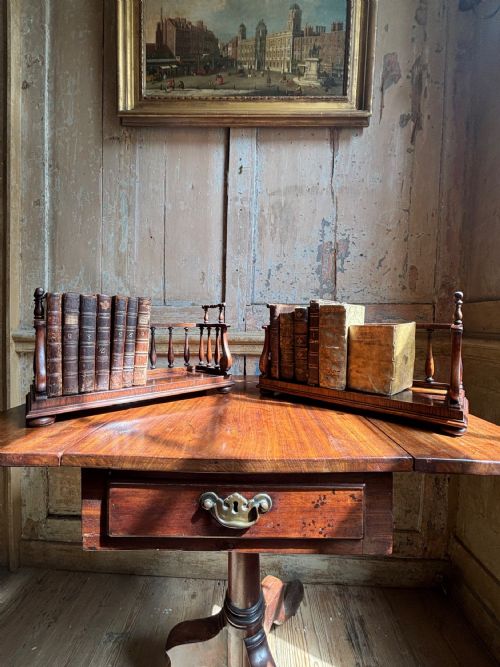
An antique wooden organiser brings order to papers and hallway essentials, spanning desk boxes, cabinets and stands from the Georgian era to the early twentieth century.
Antique Wooden Organiser
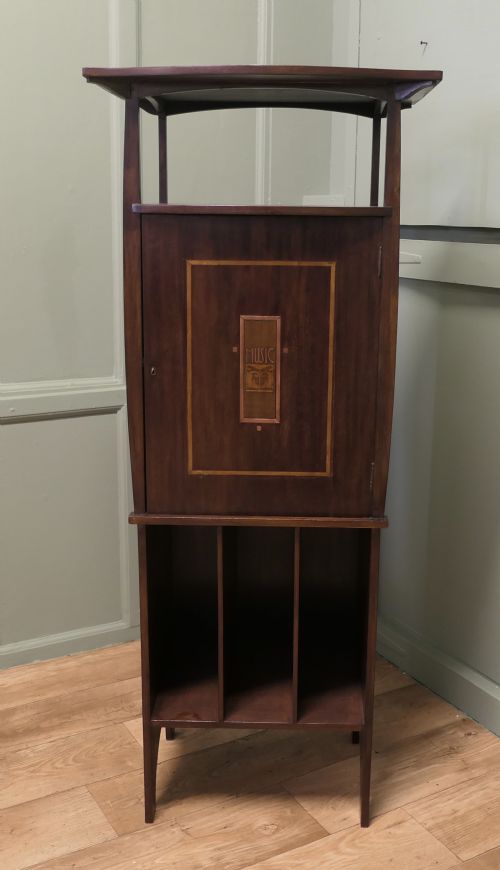
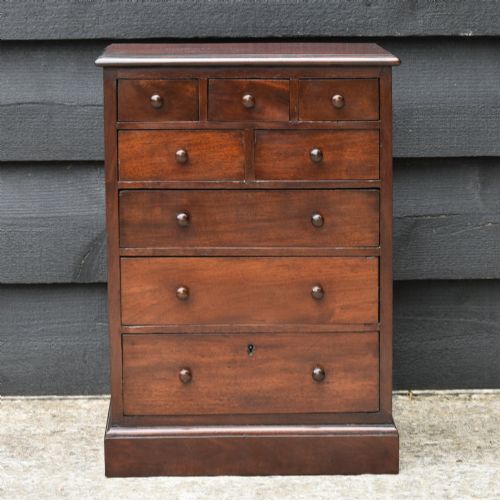
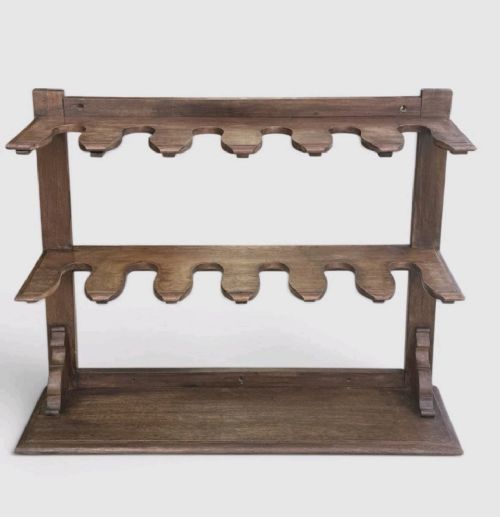
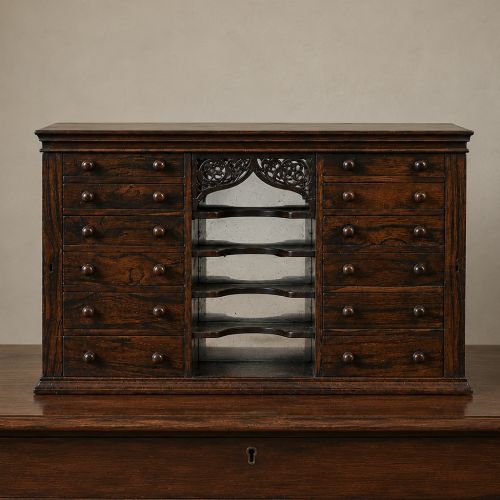
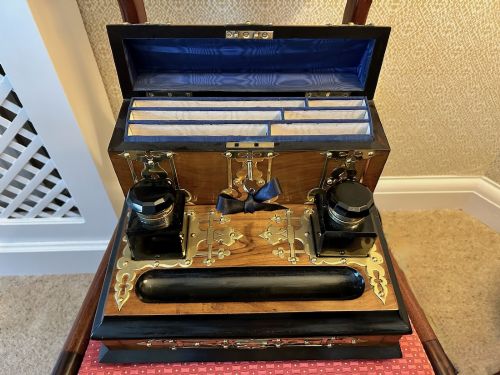
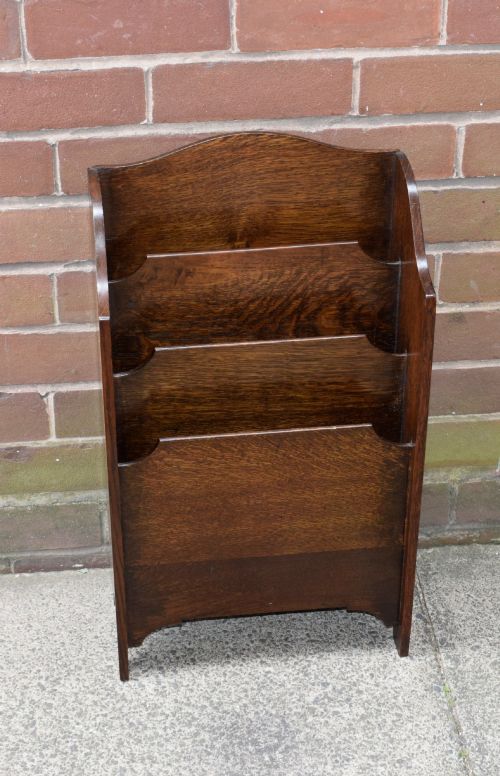
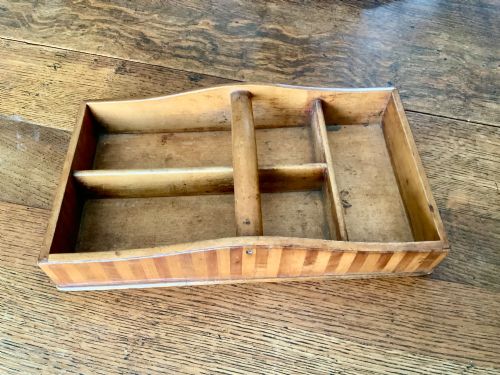
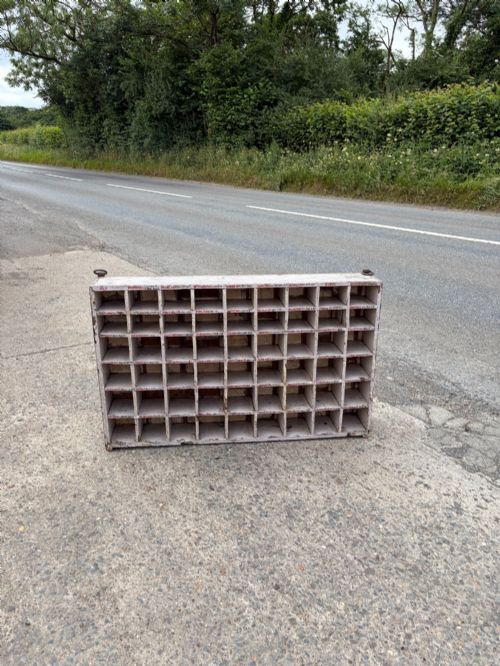
When you search for an antique wooden organiser, you encounter a varied group of utilitarian pieces designed to sort correspondence, documents, footwear and small personal items. These utilitarian objects range from tabletop stationery boxes and pigeon holes to larger hallway umbrella stands and collectors cabinets.
The pieces on this page span the Georgian, Regency, Victorian and Edwardian periods, stretching into the nineteen-twenties and nineteen-thirties. You are likely to meet mahogany and oak stationery cases, rosewood book stands, and pine shoe racks originating from English and Scottish workshops.
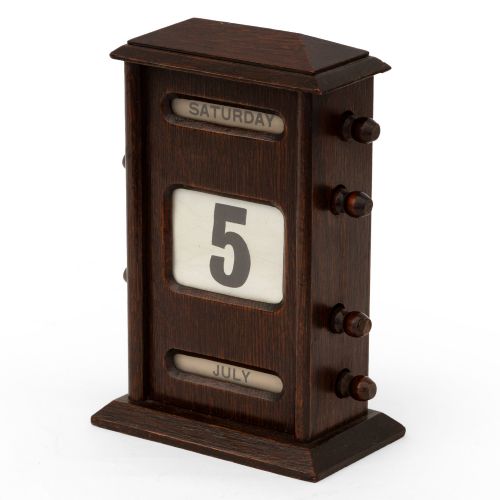
Domestic and office furnishings from these eras served specific organisational needs before modern storage became common. Desk tidies, letter holders, cutlery trays and filing cabinets all fall within this broad category of antique wooden organisers.
Materials and Technique
Cabinet makers utilised dense hardwoods such as mahogany, walnut and rosewood for desktop organisers and stationery boxes, often selecting figured veneers for visual depth. Oak and pine appear frequently in larger items like filing cabinets, pigeon holes and umbrella stands, chosen for structural strength.
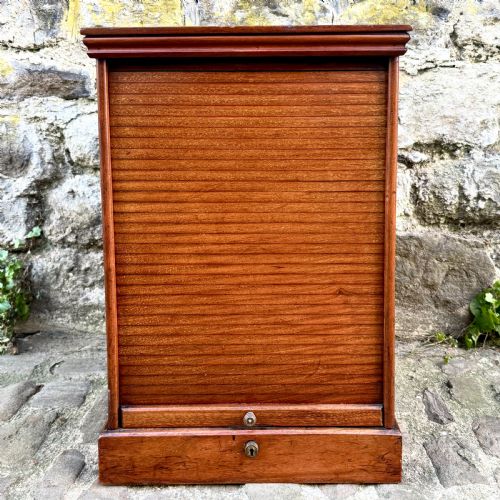
Brass mounts, hinges and carrying handles provide functional reinforcement and contrast against the dark timbers. Hand-carved details, tambour fronts and inlaid decoration demonstrate the specialist joinery techniques applied to these domestic furnishings.
Listings feature walnut, mahogany, rosewood and oak across nineteenth-century stationery boxes, pigeon holes and umbrella stands.
Distinctions in Standard
The distinction between standard utility items and finer examples rests on the choice of timber and the precision of the joinery. Pieces featuring figured rosewood, satinwood stringing or intricate Tunbridge Ware marquetry represent a higher tier of craftsmanship than plain utilitarian pine or basic oak.
Original hardware, working locks with matching keys, and intact interior fittings elevate an organiser's standing. Refined craftsmanship appears in tightly dovetailed joints, smooth-running tambour doors and well-fitted internal compartments designed for daily use.
GM Elwood·JS Henry·Gillows·Edmund Nye
The Antique Wooden Organiser Glossary
- Stationery box
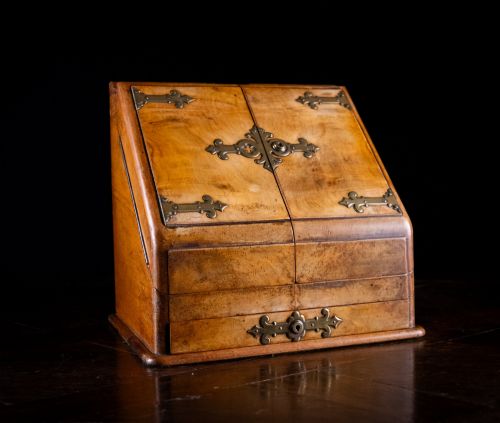
- A desk accessory with fitted compartments and sloping lids designed to hold writing paper and envelopes.
- Pigeon holes
- Open vertical compartments arranged in tiers for sorting letters, documents and papers on a desk.
- Book slide
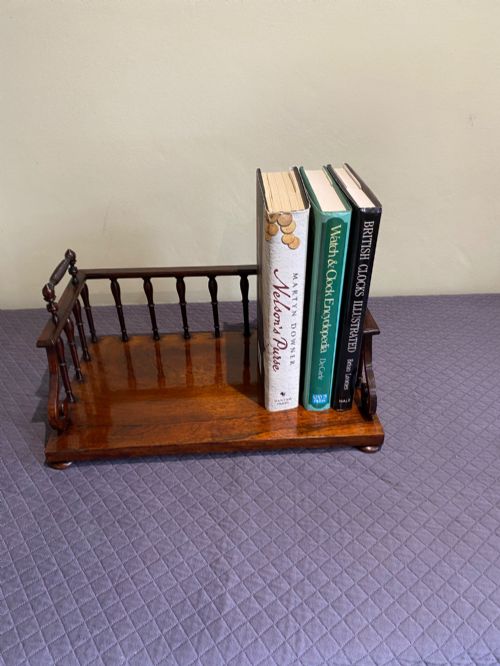
- An extending wooden stand with adjustable ends designed to hold a small row of books upright on a surface.
- Tunbridge Ware
- A type of decorative woodwork characterised by tiny mosaic tiles forming pictorial or geometric patterns, often applied to boxes.
- Wellington chest
- A tall, narrow cabinet secured by a locking side flap that fastens over the drawer edges.
Antique Wooden Organiser: Frequently Asked Questions
What is an antique wooden organiser?
An antique wooden organiser is a catch-all term for period desk accessories, stationery boxes, pigeon holes, and hallway stands built to sort papers and household items.
These pieces were constructed from timbers like mahogany, oak and rosewood by craftsmen in Britain and Europe during the nineteenth and early twentieth centuries.
How were stationery boxes used?
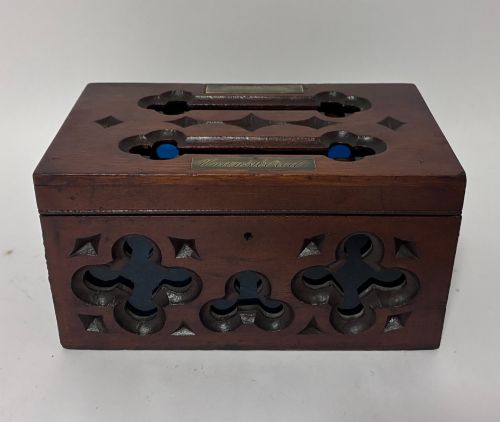
Stationery boxes sat on desks in studies and drawing rooms to hold writing paper, envelopes, inkwells and pens neatly out of sight.
Their fitted interiors and sloping lids allowed Victorian and Edwardian writers to keep their correspondence orderly and protected from dust.
Where were umbrella stands placed?
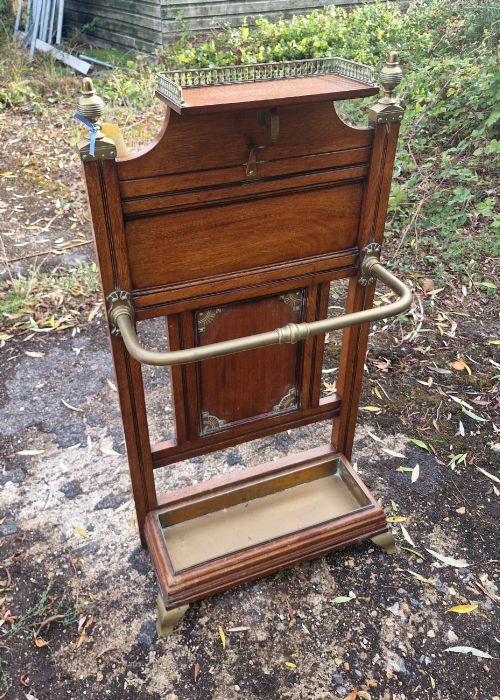
Umbrella and walking stick stands stood in hallways and entrance passages of country houses and town residences. They received wet umbrellas and heavy walking canes upon entry, protecting interior floors from moisture.
Large examples featured multiple divisions and metal drip pans at the base to catch rainwater.
How do I date a wooden desk tidy?
Dating a desk tidy involves looking at the timber species, construction methods, and prevailing decorative styles of the period. Regency and Georgian pieces often display restrained classical lines in mahogany or rosewood, whilst Victorian examples frequently incorporate heavier Gothic revival details or satinwood inlay.
Hardware such as brass hinges and lock plates also provides clues to the manufacturing decade.