


Dark Rosewood Box
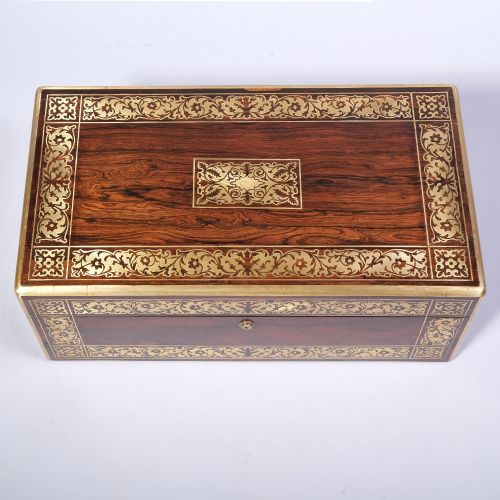
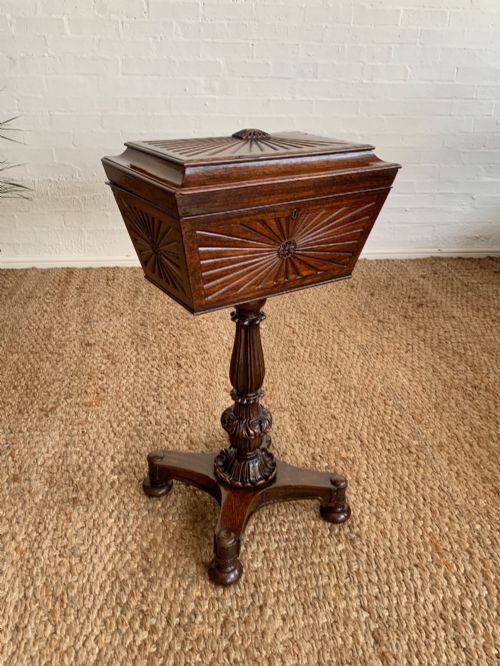
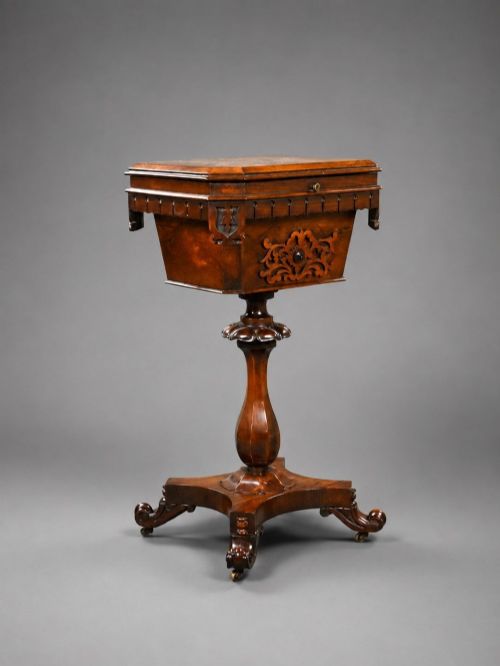
Dark rosewood box examples span Georgian, Regency and Victorian periods, offering dense grain and fitted interiors for letters, tea or jewellery.
Dark Rosewood Box
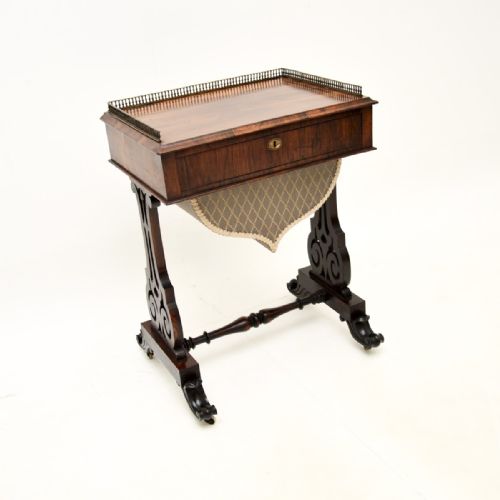
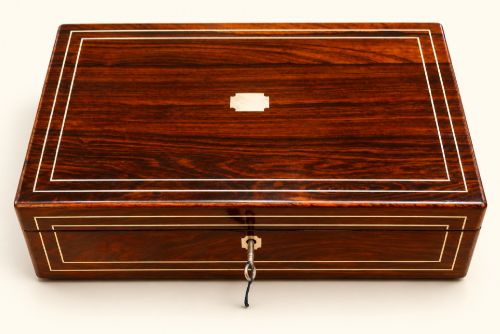
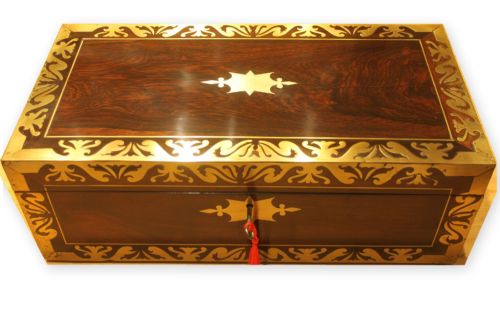
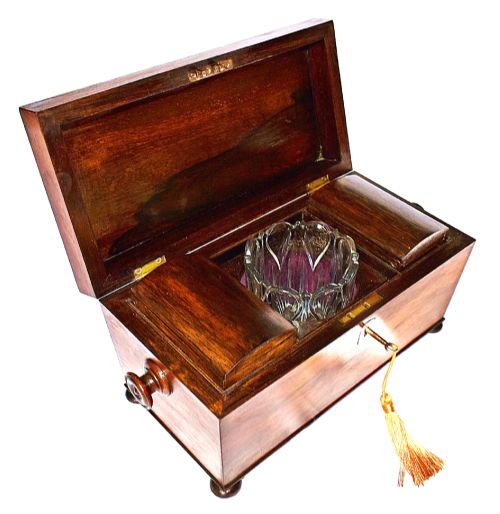
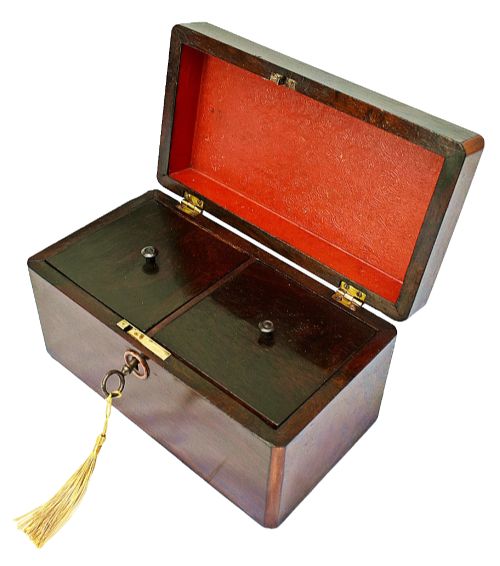
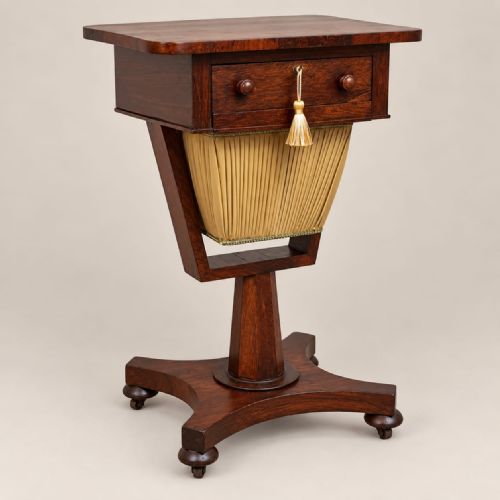
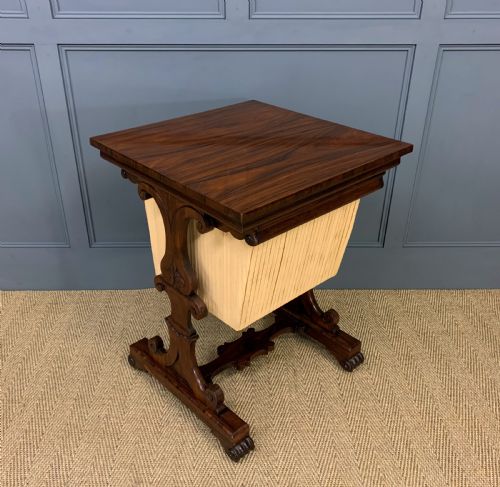
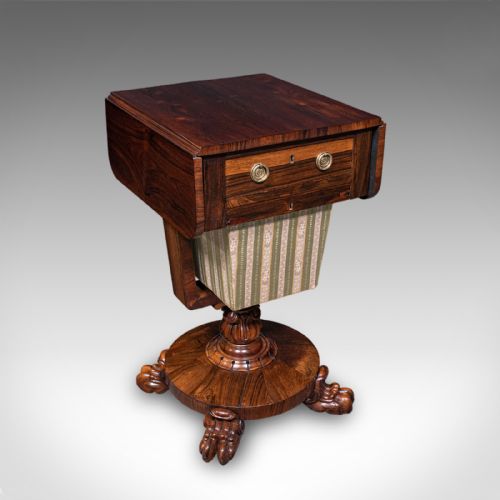
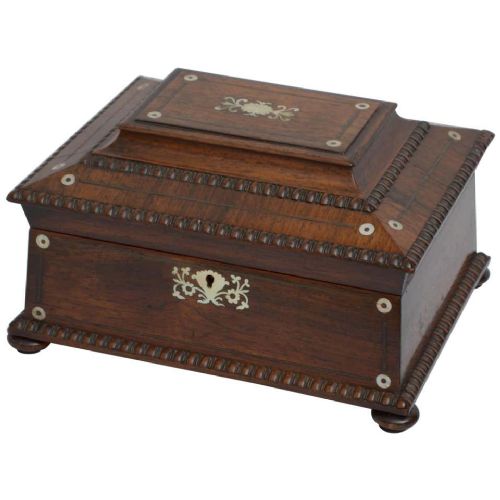
A dark rosewood box serves multiple domestic purposes, appearing frequently as tea caddies, writing slopes, jewellery chests and work tables across Georgian, Regency and Victorian periods. Buyers encounter items ranging from small trinket keepsakes to large brass-bound document chests and sarcophagus-form caddies.
The objects originate from English workshops, alongside French Restoration examples and Anglo-Indian colonial pieces. Makers utilise the heavy tropical hardwood for both small desktop accessories and substantial parlour furniture.
Most entries belong to the nineteenth century, reflecting the material's popularity during the Regency and Victorian eras for storage containers with fitted compartments.
How they were made
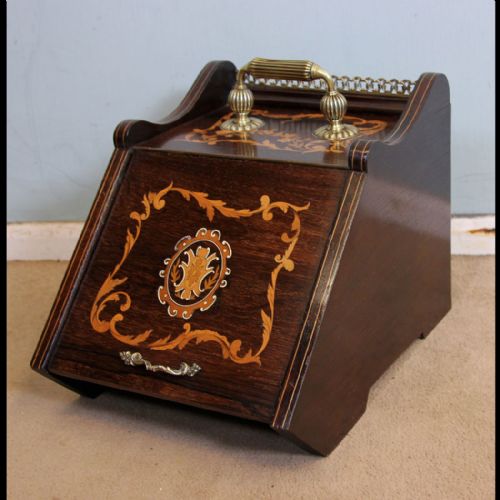
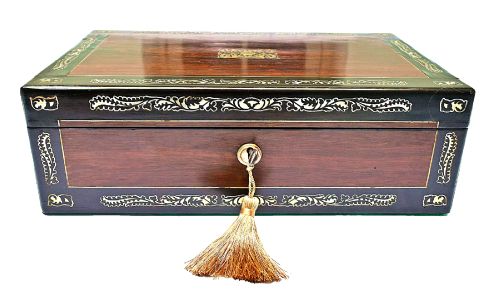
Cabinet makers construct these pieces using dense rosewood veneers or solid timber over secondary woods, incorporating intricate wood inlay, Tunbridge ware marquetry, and parquetry patterns in satinwood and boxwood.
Many examples feature contrasting brass stringing, brass binding, or mother of pearl escutcheons and plaques embedded directly into the dark surface, alongside lion mask handles and working locks with keys.
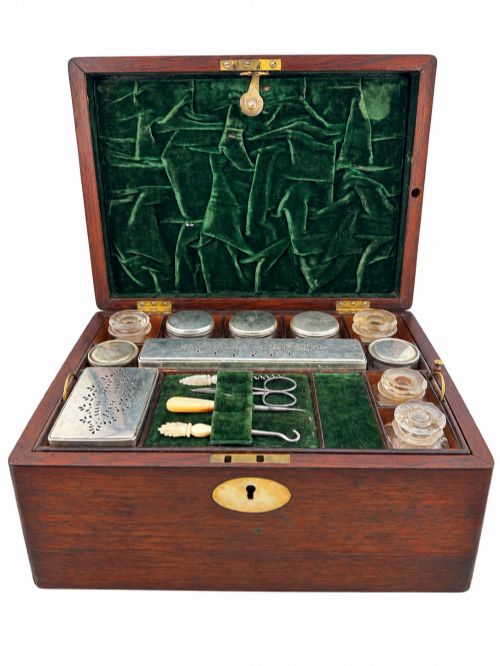
Interiors often contain fabric linings, fitted trays, secret drawers, and partitioned compartments designed specifically for writing implements, tea storage, or sewing accessories.
Dark Rosewood Box Retail Price Guide 2026
Typical asking prices for dark rosewood box among the pieces listed under this phrase on Sellingantiques today, from the lower quarter to the upper quarter. They describe what is for sale here now, not the wider market.
What varies in quality
The precision of the brass inlay and the complexity of the marquetry distinguish standard storage containers from superior pieces, particularly where geometric parquetry or pictorial Tunbridge ware panels align perfectly across the lid and sides.
Internal complexity dictates the tier of the object, separating simple lined boxes from sophisticated writing slopes with leather skivers, secret compartments, and fully fitted removable trays.
The structural integrity of the heavy tropical hardwood carcass and the preservation of the original polished dark finish determine the overall integrity of the piece.
Edmund Nye·Lesage
The Dark Rosewood Box Glossary
- Tea caddy
- A container designed to store loose tea leaves, often featuring internal compartments or canisters and a lockable lid.
- Writing slope
- A desktop box with a hinged sloping lid that opens to reveal a slanted writing surface, inkwell recesses, and document storage.
- Tunbridge ware
- A type of decorative woodwork characterised by tiny mosaic tiles assembled from different coloured woods to form pictorial designs.
- Sarcophagus form
- A box shape featuring a domed or pedestal-based profile reminiscent of classical stone tombs, popular during the Regency period.
- Parquetry
- Geometric mosaic woodwork formed by fitting small veneer blocks together in repeating patterns across the surface.
Dark Rosewood Box: Frequently Asked Questions
What are dark rosewood boxes used for?
These containers served specific domestic functions in period homes, functioning as tea caddies for valuable leaf blends, secure writing desks for correspondence, or velvet-lined chests for jewellery and trinkets.
Larger variations took the form of work tables and document boxes designed to hold sewing equipment, legal papers, and household accounts.
How do I date a rosewood box?
Dating relies on construction methods, hardware styles, and decorative techniques such as brass binding or mother of pearl inlay.
Georgian and Regency pieces often display clean architectural lines and brass stringing, whereas Victorian examples frequently incorporate heavier carving and elaborate marquetry.
Are keys usually included with antique boxes?
Many surviving boxes retain their working locks, and descriptions specify whether a functional key accompanies the piece.
Replacement keys are frequently fitted to match the original brass mechanisms found on nineteenth-century specimens.
How should I care for rosewood furniture?
Maintenance involves keeping the timber away from direct sunlight and sudden temperature changes to prevent the rosewood veneer from drying or splitting.
Regular dusting with a dry cloth preserves the polished dark grain without requiring heavy modern polishes.