



Victorian Dressing Case
A victorian dressing case is a portable companion for personal grooming, holding glass bottles and compartments securely for travel.
Victorian Dressing Case
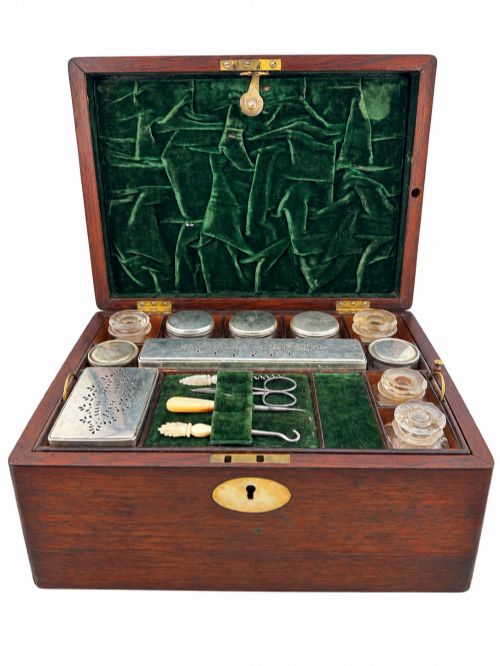
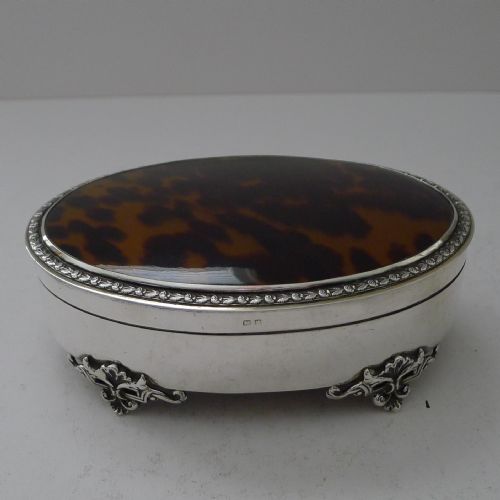
A victorian dressing case is a fitted box designed to hold personal grooming equipment, jewellery, and small keepsakes during travel or residence in a boudoir. Pieces on this page span the nineteenth century, including specific dates from the 1840s through to the early 1900s.
Makers and retailers such as F. West, H Mitchell, and Asprey supplied these boxes to officers, gentlemen, and ladies. Alongside English examples, pieces reflect international styles including Italian lacquer and Chinese export work.
How they were made
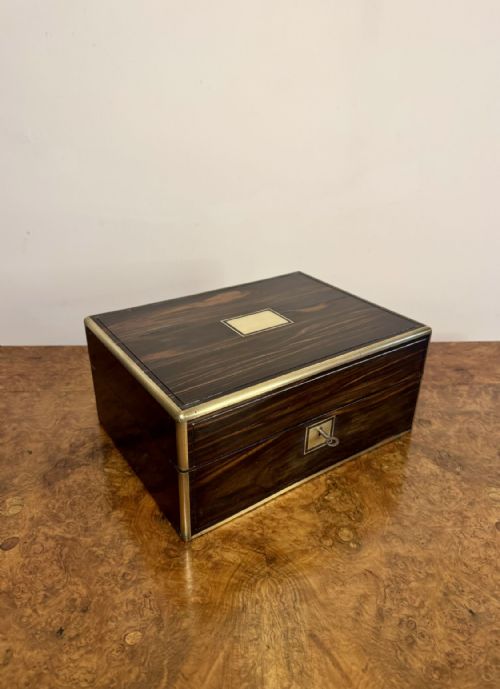
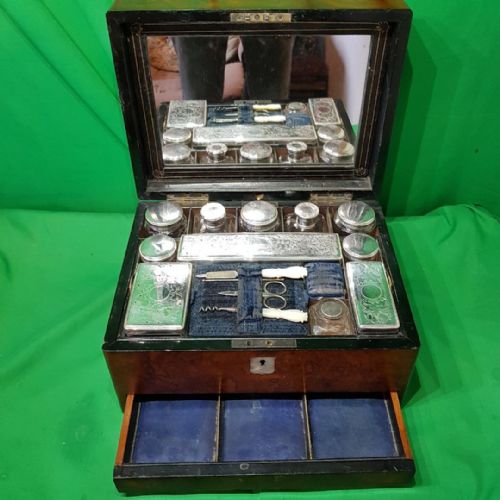
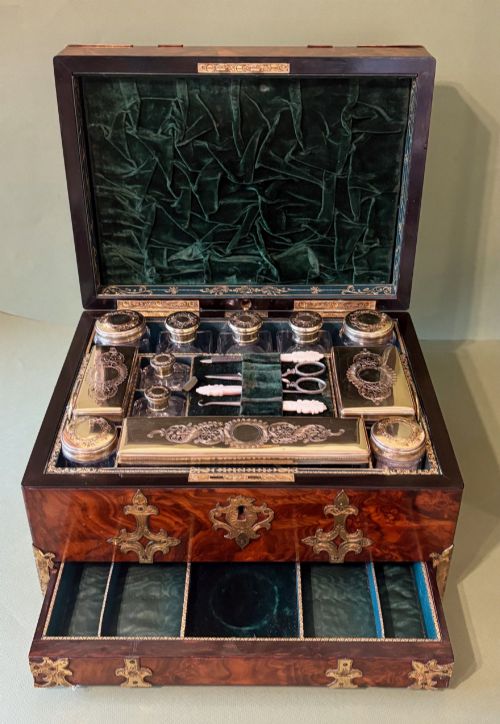
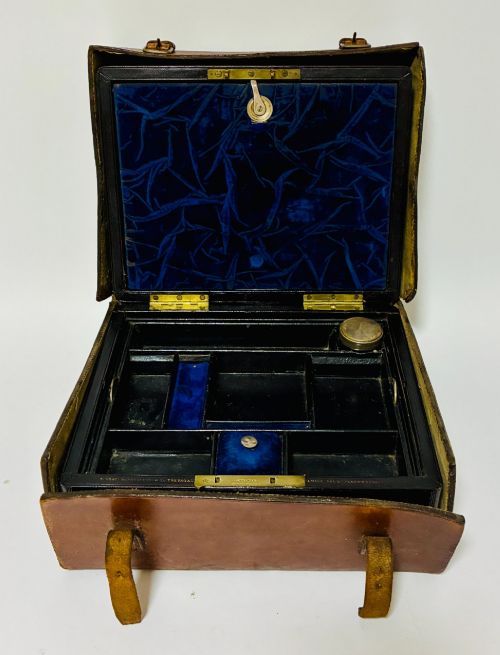
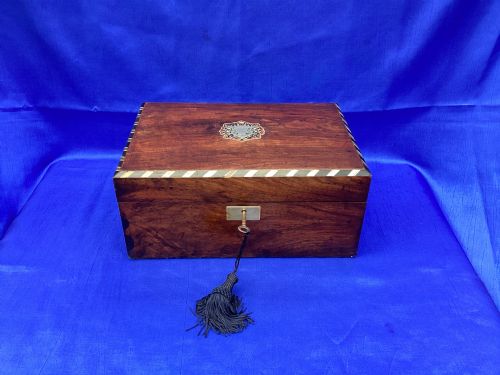
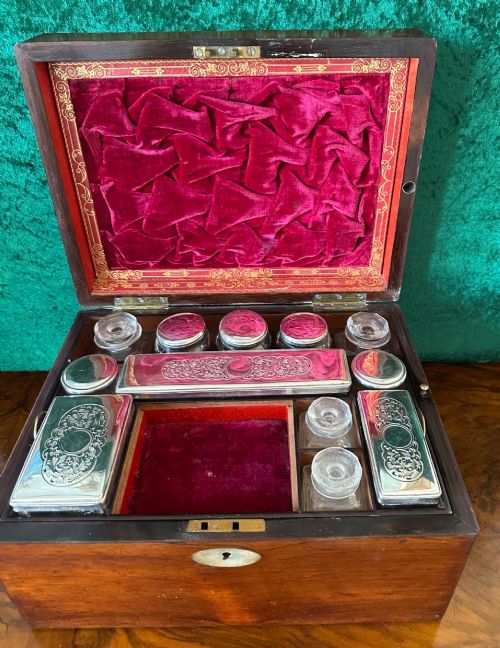
Cabinet makers utilised dense hardwoods like burr walnut, mahogany, rosewood, and coromandel as foundations, frequently reinforcing corners with brass banding. Interiors feature fitted trays lined in velvet or silk, housing glass and crystal cut bottles alongside silver gilt implements.
Metalwork involved sterling silver, brass, and silver gilt for bottle caps, handles, and locks, often bearing hallmarks from London silversmiths. Leather-bound versions utilised stitched hides to protect the wooden carcass during transit.
Victorian Dressing Case Retail Price Guide 2026
Typical asking prices for victorian dressing case among the pieces listed under this phrase on Sellingantiques today, from the lower quarter to the upper quarter. They describe what is for sale here now, not the wider market.
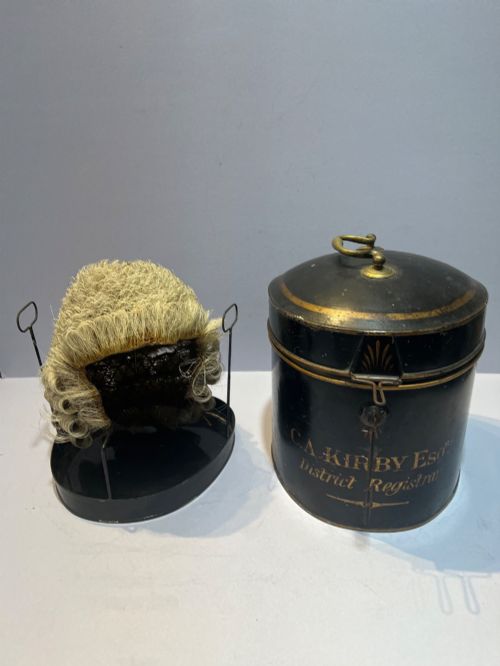
Object types span jewellery boxes, vanity sets, scent bottle caskets, and legal wig cases across the nineteenth century.
What varies in quality
Quality depends upon the selection of timber veneers, such as burr walnut or figured coromandel, and the complexity of the internal fittings. Superior examples retain matching sets of crystal cut glass bottles with hallmarked sterling silver mounts and fully functional locks with original keys.
The degree of hand-finishing marks the difference between standard production and top-tier pieces, visible in tight wood joints, neat velvet or silk linings, and maker signatures stamped into the leather or woodwork.
Eade & Son·F. West·H Mitchell·Jane Brownett Alexander Jones·Hawkes & Co.·Asprey
The Victorian Dressing Case Glossary
- Coromandel wood
- A dense, heavily figured timber from Asia utilised for luxury nineteenth-century boxes and cases. Its dark brown grain with black stripes gives dressing boxes a striking appearance.
- Sterling silver
- An alloy of silver containing 92.5 percent pure silver by mass. It appears frequently on bottle caps, dressing instruments, and vanity set mounts.
- Burr walnut
- Wood taken from a walnut tree growth featuring intricate swirling grain patterns. Cabinet makers prized this veneer for the lid exteriors of high-end vanity boxes.
- Vanity set
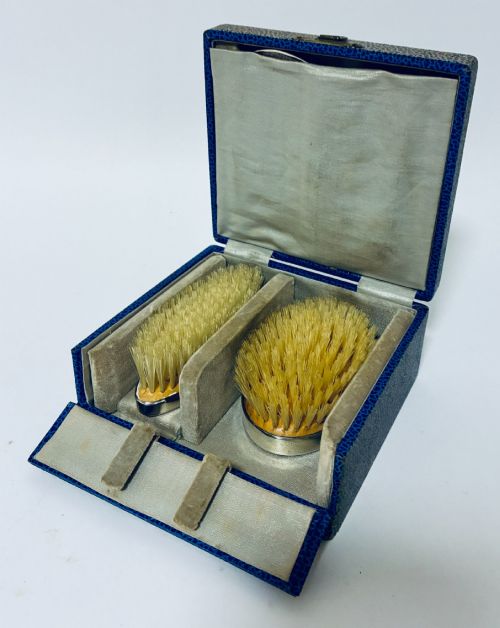
- A collection of matching personal grooming implements and glass bottles housed within a fitted case. These sets typically include brushes, boxes, and scent bottles.
- Campaign case
- A portable box designed for military officers or travellers on the move. These pieces often feature brass binding and robust leather or hardwood construction.
Victorian Dressing Case: Frequently Asked Questions
What fits inside a dressing case?
These boxes contain fitted interiors designed to hold glass scent bottles, small jars, jewellery, and personal grooming implements. Many include hidden compartments or removable trays for letters and keepsakes.
Larger variants incorporate mirrors set into the lid and dedicated sections for writing materials or vanity tools.
How do I date a box?
Dating relies on stylistic clues, timber choices, and silver hallmarks where present. Pieces from the middle of the nineteenth century frequently employ rosewood and coromandel with brass inlay.
Later Victorian and Edwardian examples shift towards different wood veneers and expanded celluloid or silver-gilt contents.
Are keys usually included?
Some boxes retain their original working keys, while others do not because locks were frequently misplaced over generations of travel and use.
Where a working key is present, it operates the primary lock securing the lid and any internal accessory drawers.
How should I clean the interior lining?
Original velvet and silk linings require gentle dry dusting with a soft brush rather than liquid cleaners to preserve the fabric fibres.
Leather exteriors benefit from minimal conditioning depending on their current condition and historical patina.