




Georgian Rosewood Box
A georgian rosewood box brings deep grain and precise brass work into a room, serving as a container for tea, correspondence, or trinkets.

Georgian Rosewood Box
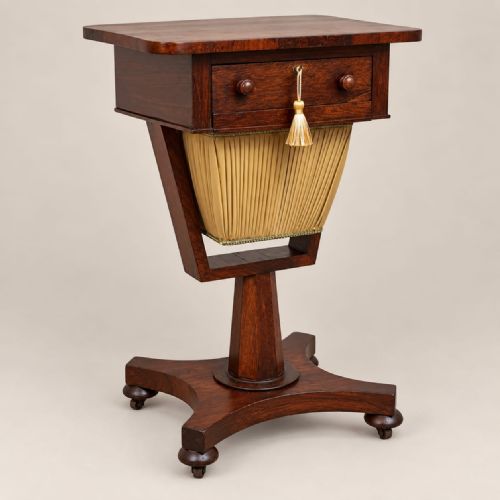
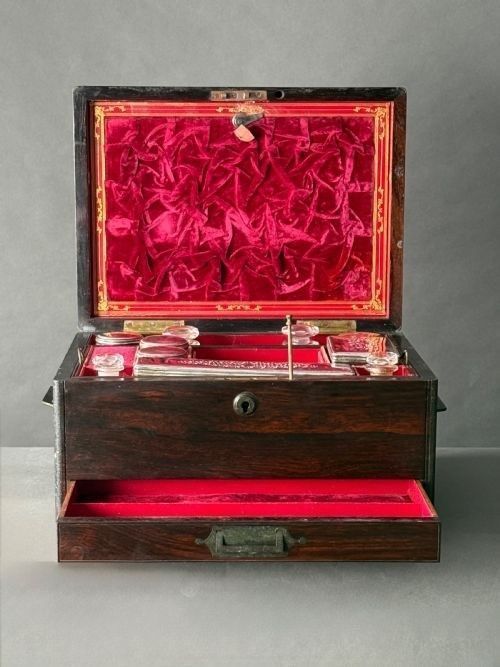
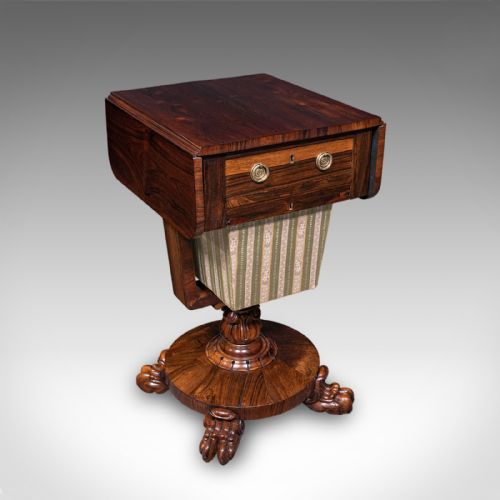
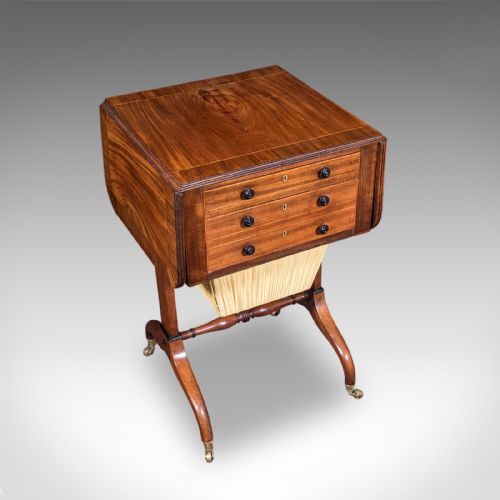
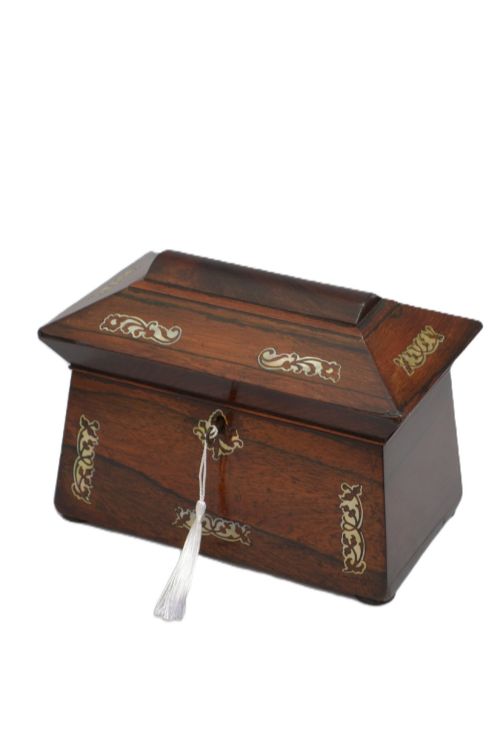
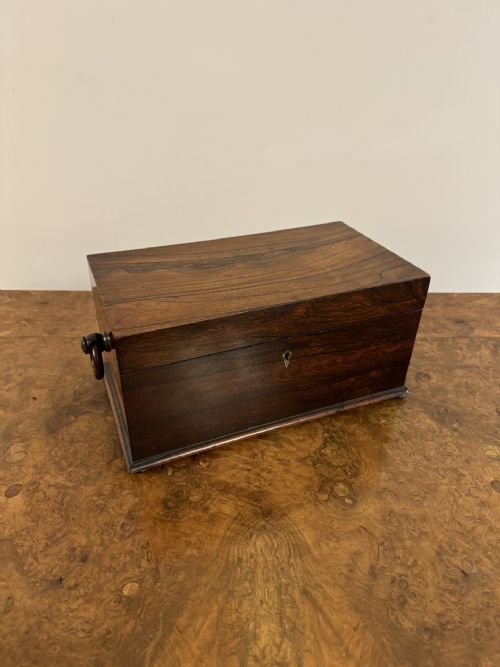
A georgian rosewood box covers a variety of functional forms made to hold valuables, documents, or provisions in the home. The most frequent examples include tea caddies, writing slopes, and personal vanity or jewellery cases dating from the Georgian, Regency, and early Victorian periods.
Makers shaped these containers for daily use in the parlour, drawing room, or study, often incorporating compartments for inkwells, loose leaf tea, or sewing implements. Sarcophagus shapes, rectangular document boxes, and fold-over tables appear regularly among the listed items.
How they were made
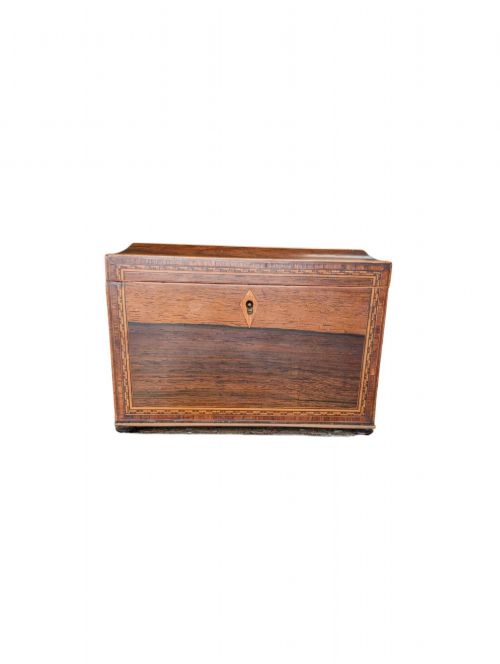
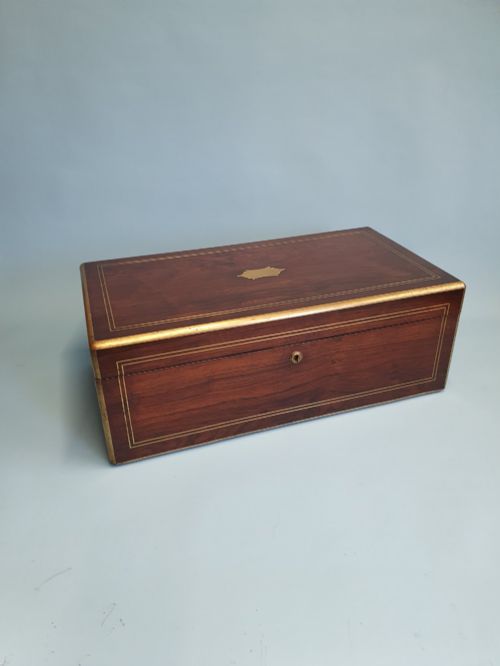
Cabinet makers applied dense rosewood veneers over firmer secondary timbers, often framing the lids and panels with contrasting boxwood or satinwood stringing. Brass inlay, escutcheons, corner brackets, and lion mask handles reinforce the structural edges while adding geometric decoration.
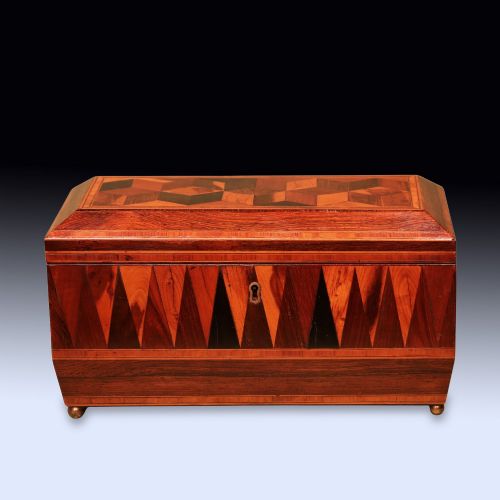
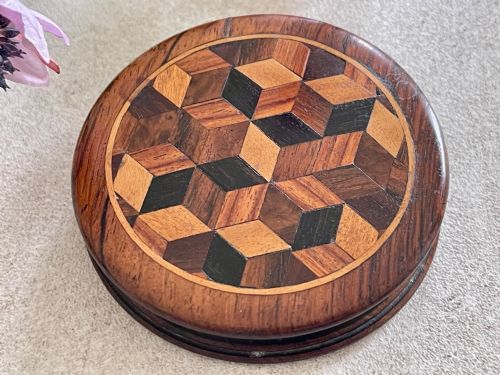
Interiors frequently utilise secondary woods like mahogany or pine alongside fitted velvet, silk, or leather linings. Specialised techniques such as Tunbridge Ware micro-mosaic work and parquetry create intricate pictorial or geometric surface patterns.
Georgian Rosewood Box Retail Price Guide 2026
Typical asking prices for georgian rosewood box among the pieces listed under this phrase on Sellingantiques today, from the lower quarter to the upper quarter. They describe what is for sale here now, not the wider market.
The listings on this site span the Georgian, Regency, William IV, and Victorian periods, showcasing rosewood combined with brass, glass, and mother-of-pearl.
What varies in quality
The standard of a georgian rosewood box rests on the selection of the timber veneer and the precision of the brass inlay. Rich, highly figured grain patterns paired with tightly fitted internal compartments and original locking mechanisms distinguish superior examples from simpler utilitarian containers.
The presence of specialised internal fittings, such as secret drawers, removable caddy canisters, or matching glass inkwells, elevates the complexity of the piece. Craftsmanship in secondary details, like hand-cut dovetails and intact Tunbridge Ware banding, marks the work of skilled workshops.
George Austin, Dublin·Gillows of Lancaster
The Georgian Rosewood Box Glossary
- Tea caddy
- A container designed specifically to store loose tea leaves, often featuring internal lidded compartments to keep different blends separate. These receptacles became central fixtures in affluent Georgian and Regency drawing rooms.
- Writing slope
- A portable desk with a hinged, slanted writing surface that folds down to reveal compartments for stationery, nibs, and inkwells. Many incorporate secret drawers beneath the primary writing bed.
- Sarcophagus form
- A container shape featuring a stepped, domed lid tapering down to a rectangular or slightly curved body, frequently resting on small bun feet or bracket supports. This architectural silhouette gained popularity during the Regency period.
- Tunbridge Ware
- A type of decorative woodwork characterised by intricate mosaics formed from thousands of tiny tinted wood blocks to create geometric or pictorial motifs. It takes its name from the Kent town where the technique flourished.
- Parquetry
- A geometric mosaic of wood pieces used for decorative veneering on box lids and panels. Artisans arranged contrasting timbers like boxwood, satinwood, and rosewood to produce repeating patterns.
Georgian Rosewood Box: Frequently Asked Questions
What were tea caddies used for?
Tea caddies served to store expensive imported tea leaves securely under lock and key in the home. The host typically kept the key to control access to the precious leaves.
Internal compartments often included lead canisters or individual lidded boxes to keep black and green teas dry and aromatic.
How do I spot a writing slope?
A writing slope opens along a central hinge to reveal a slanted leather or velvet-lined board for writing letters. Inside, you will find slots for envelopes, pen rests, and small glass inkwells.
Many examples include hidden compartments or secret drawers accessible by removing the pen tray.
How do I care for rosewood?
Rosewood benefits from stable room temperatures away from direct sunlight and strong heat sources to prevent the timber and veneer from splitting. Regular dusting with a soft, dry cloth preserves the polished surface.
Avoid applying modern silicone polishes, as they can build up and damage antique finishes over time.